
QUARANTINE I-V | POINT NEPEAN
RMIT | 2020-2023
‘QUARANTINE STUDIO speculated on the rebirth of regionalism by proposing new local tourism activations. The studio investigated the land, buildings, and structures in and around Melbourne’s original sanatorium, proposing new uses for the previously underutilized public land, landscape, and infrastructure.’
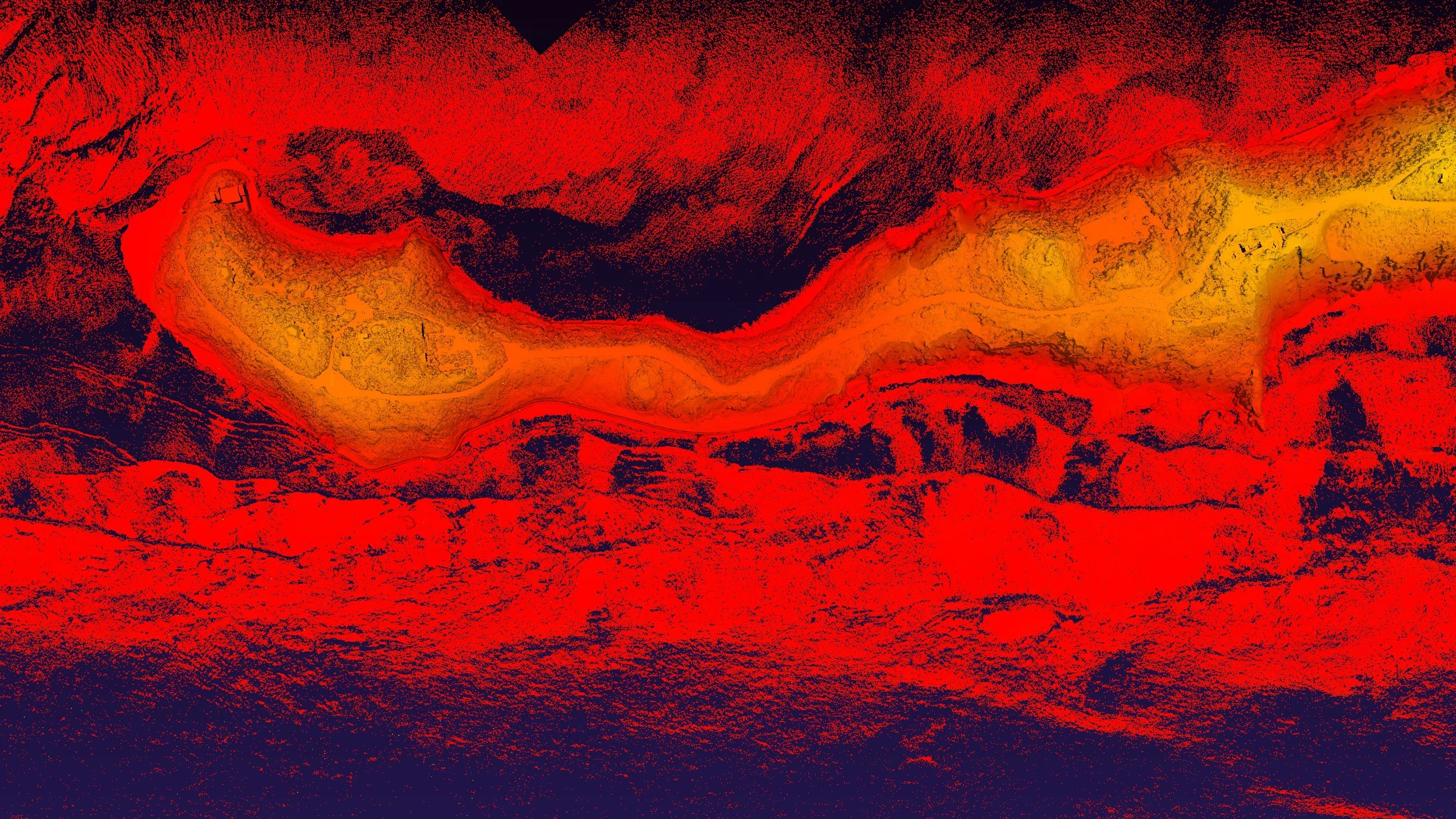
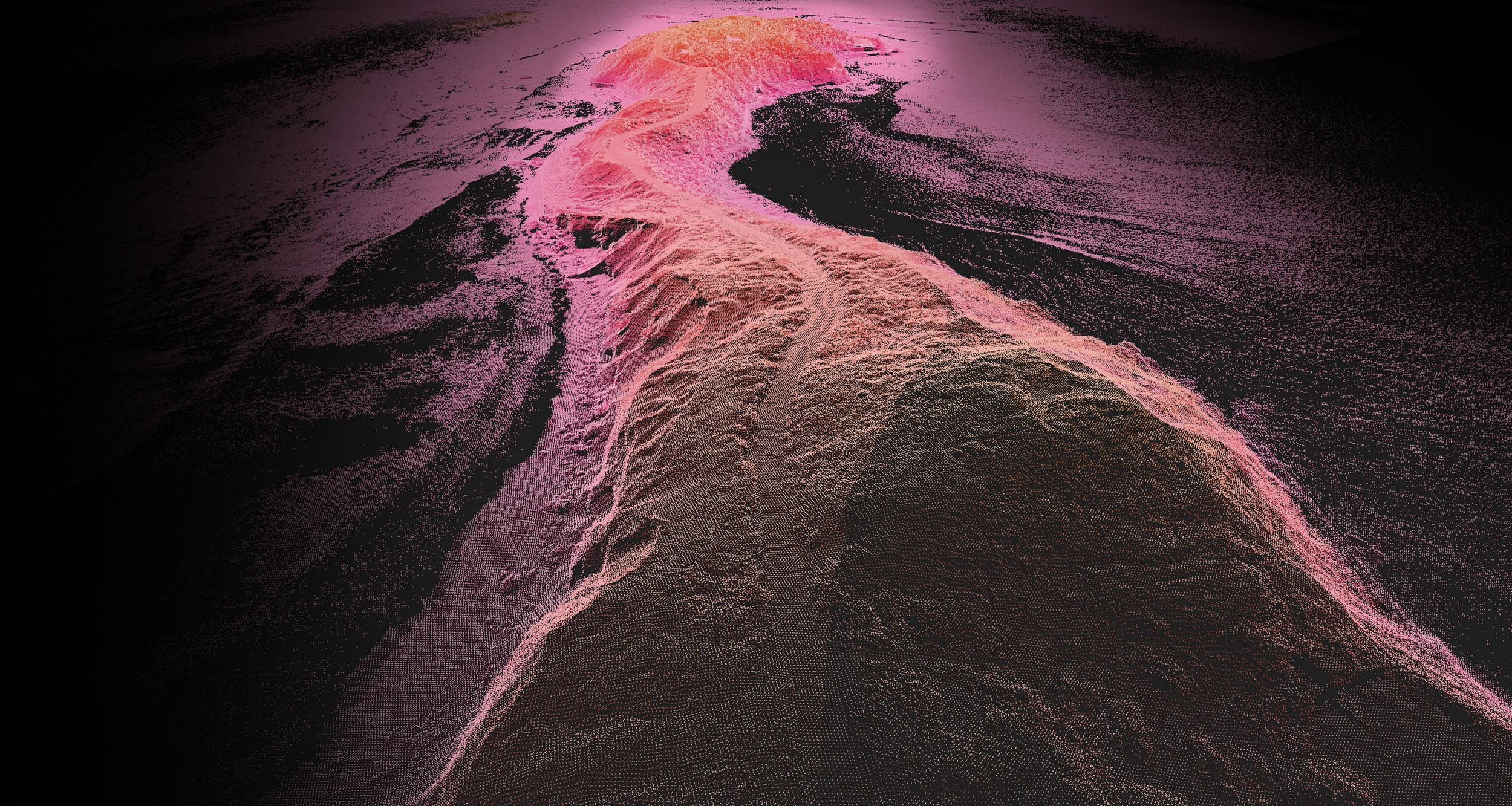
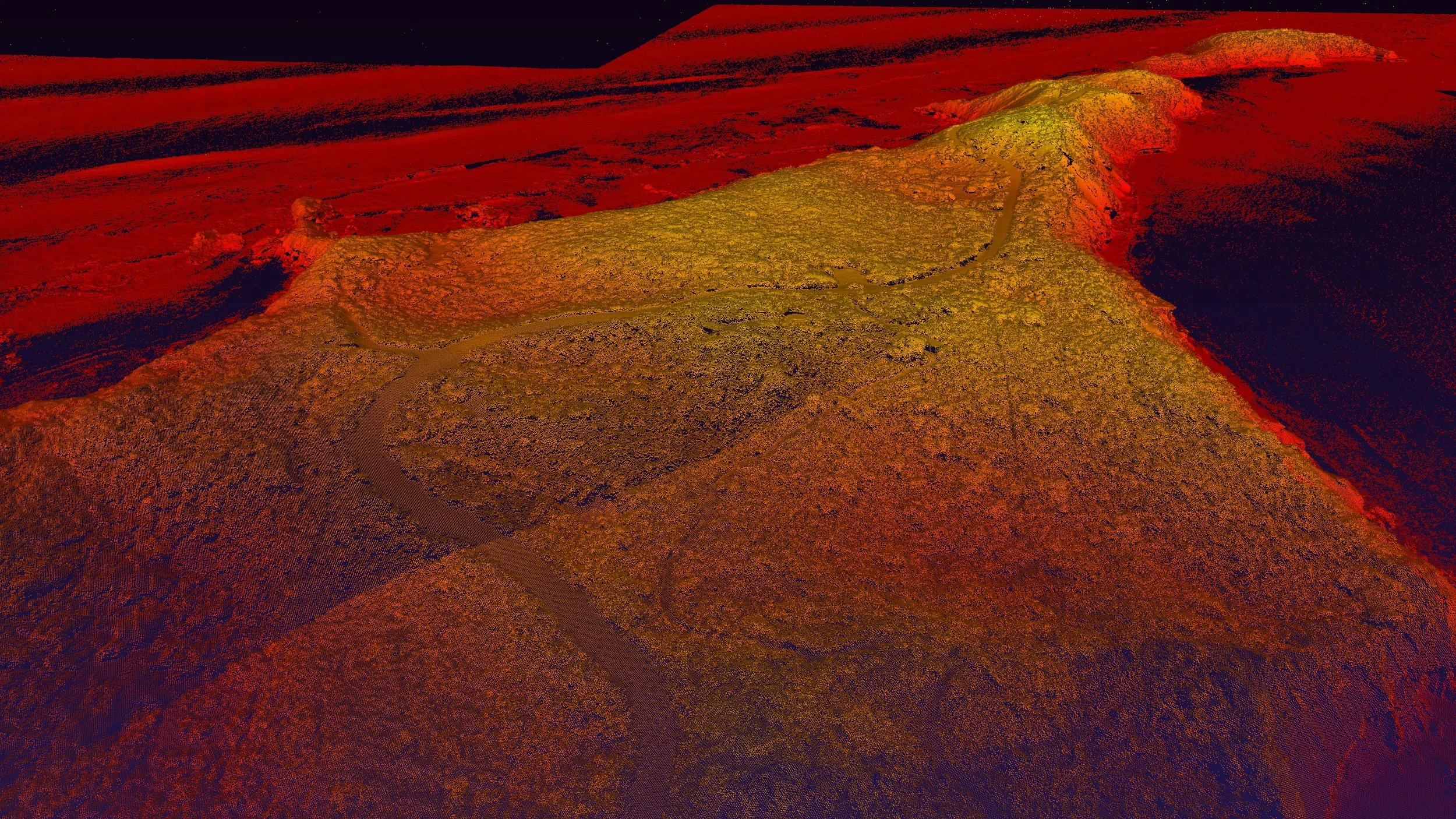
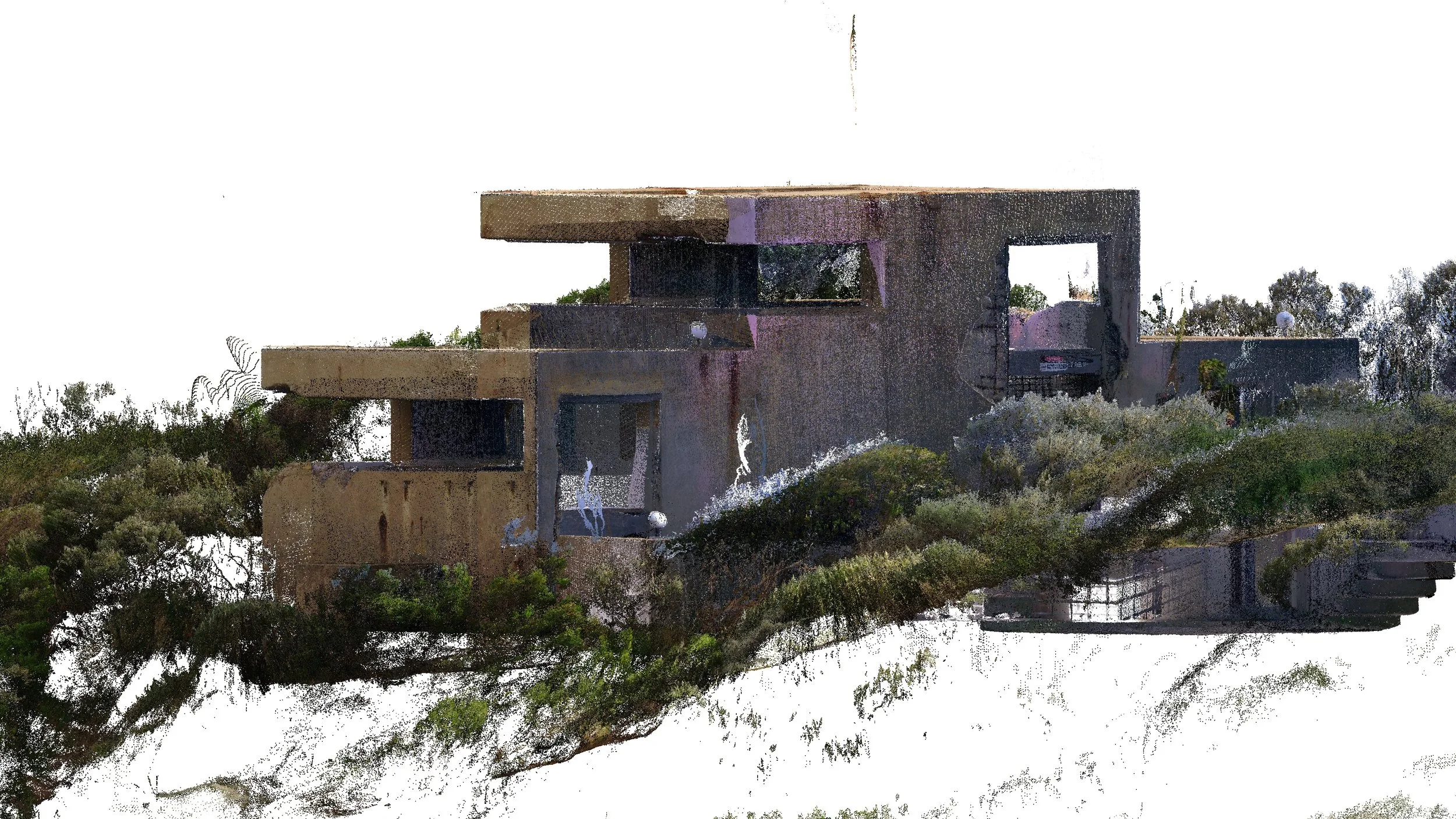
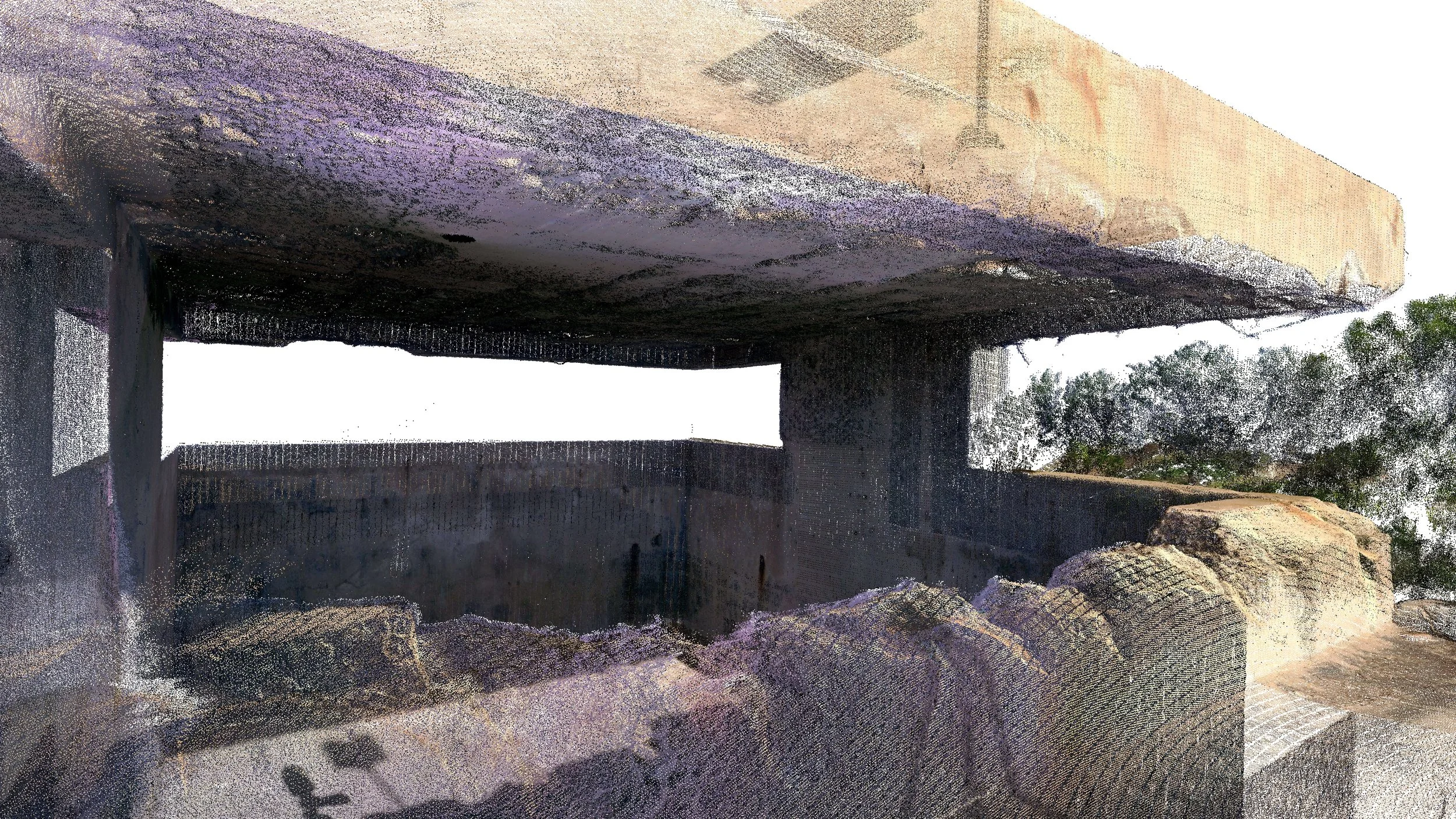
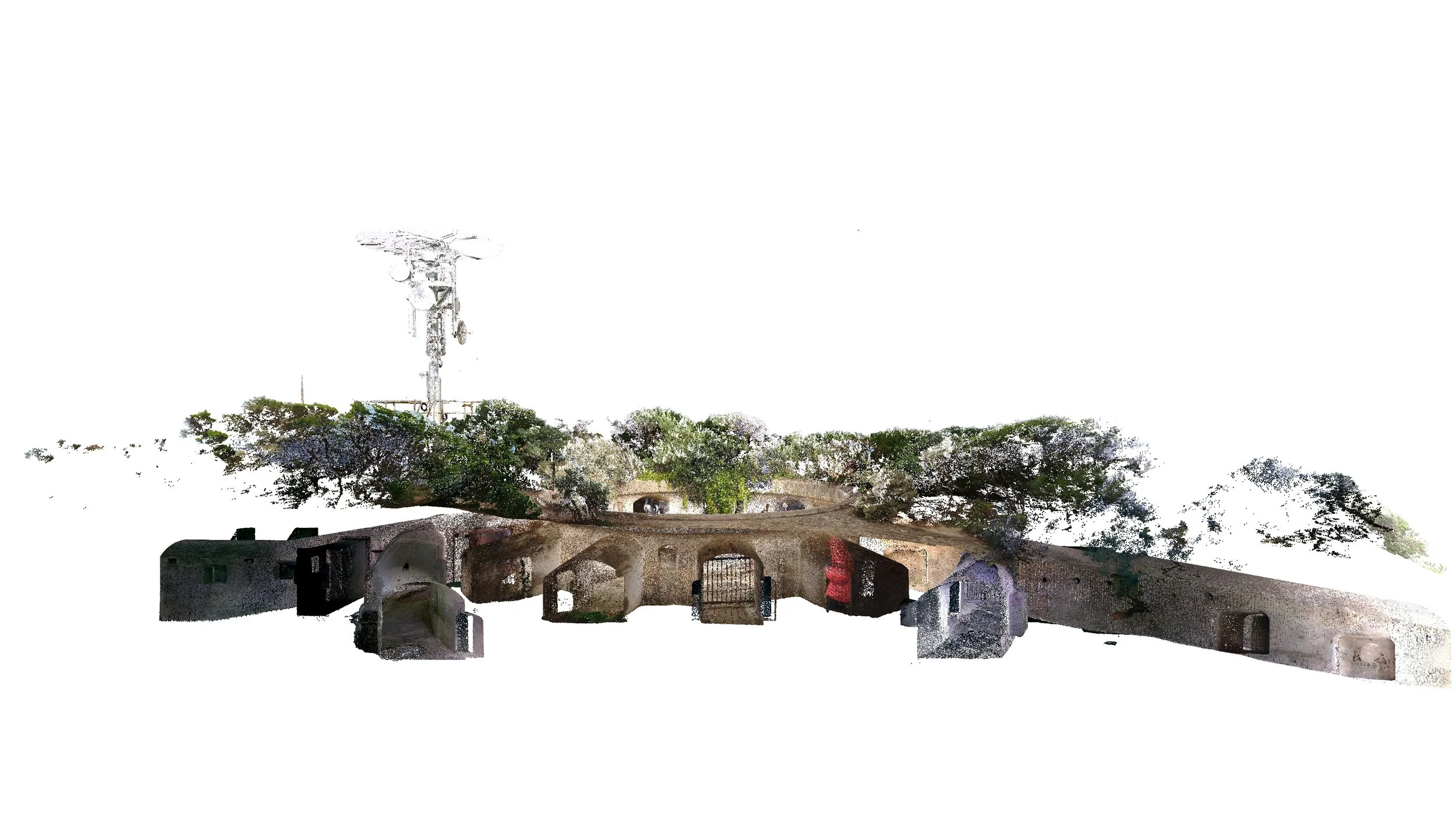
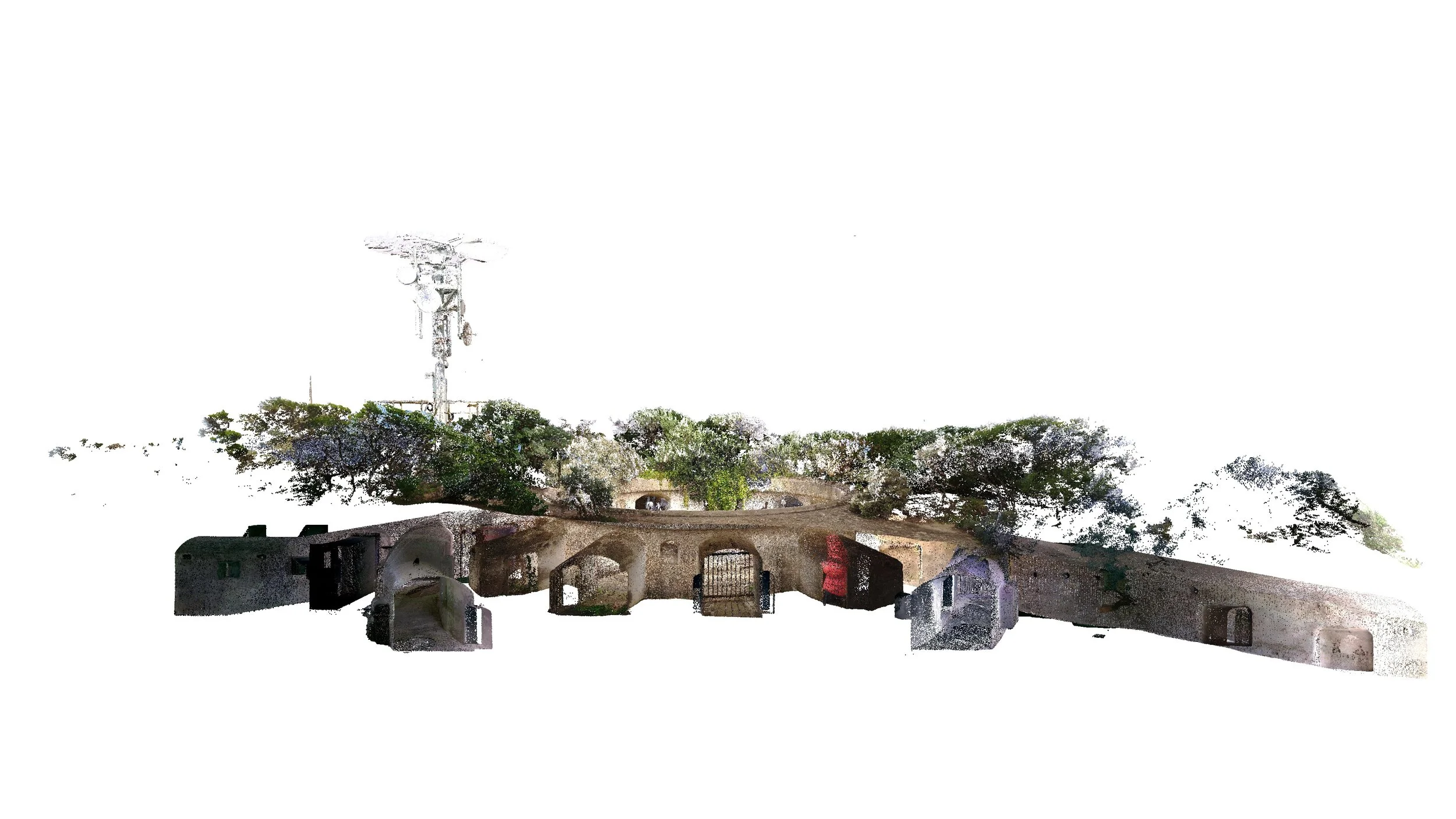
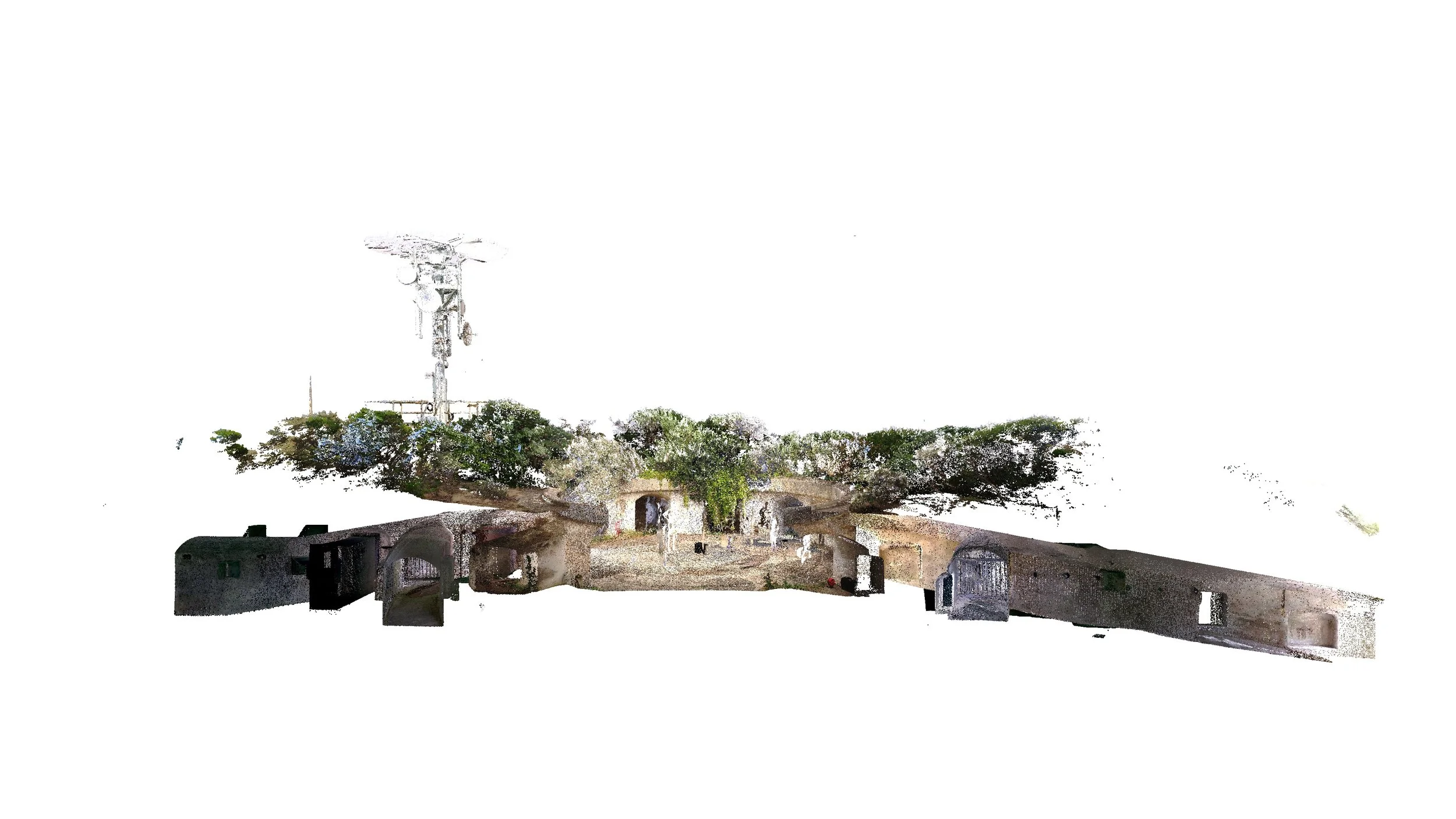
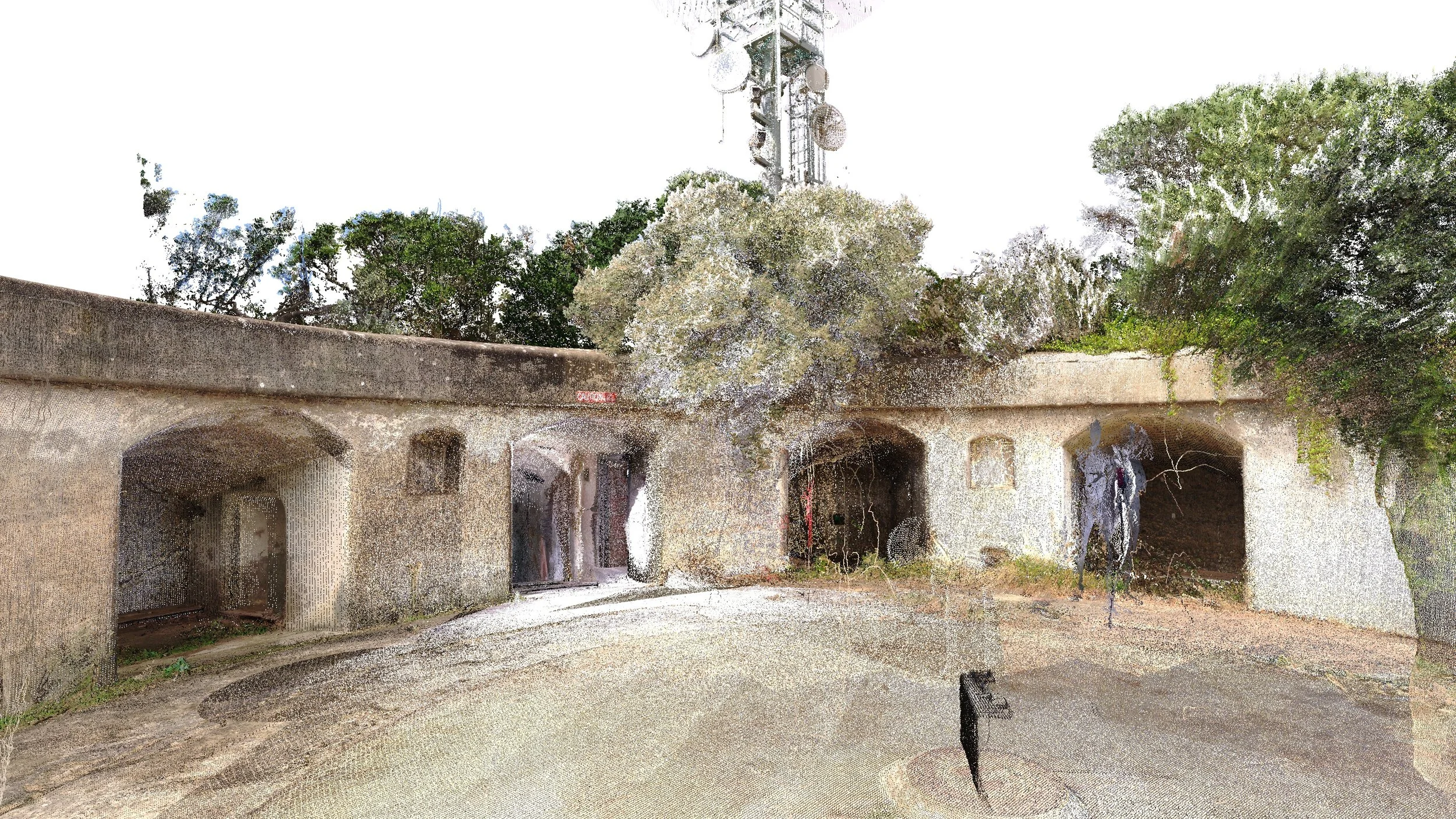
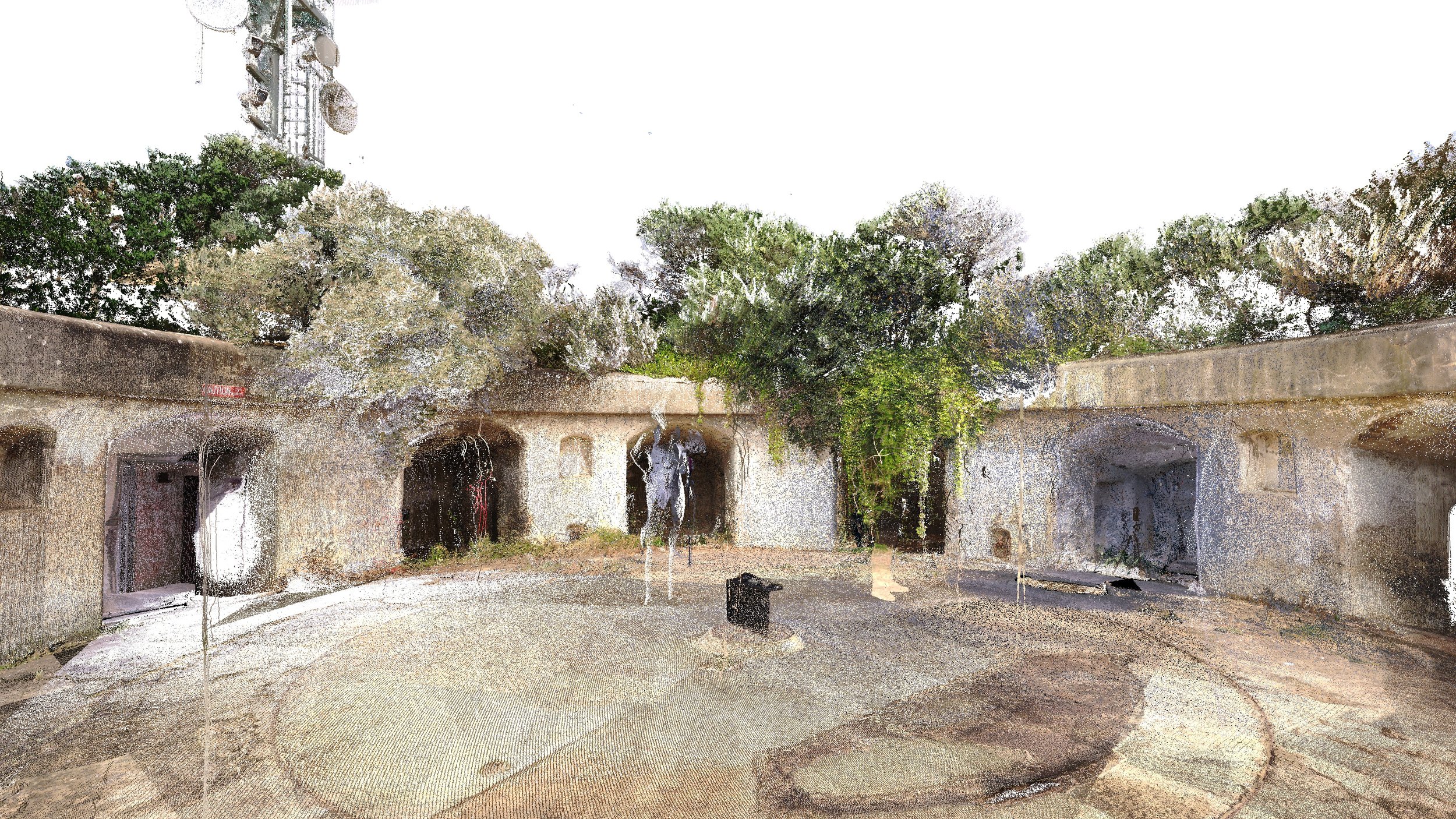
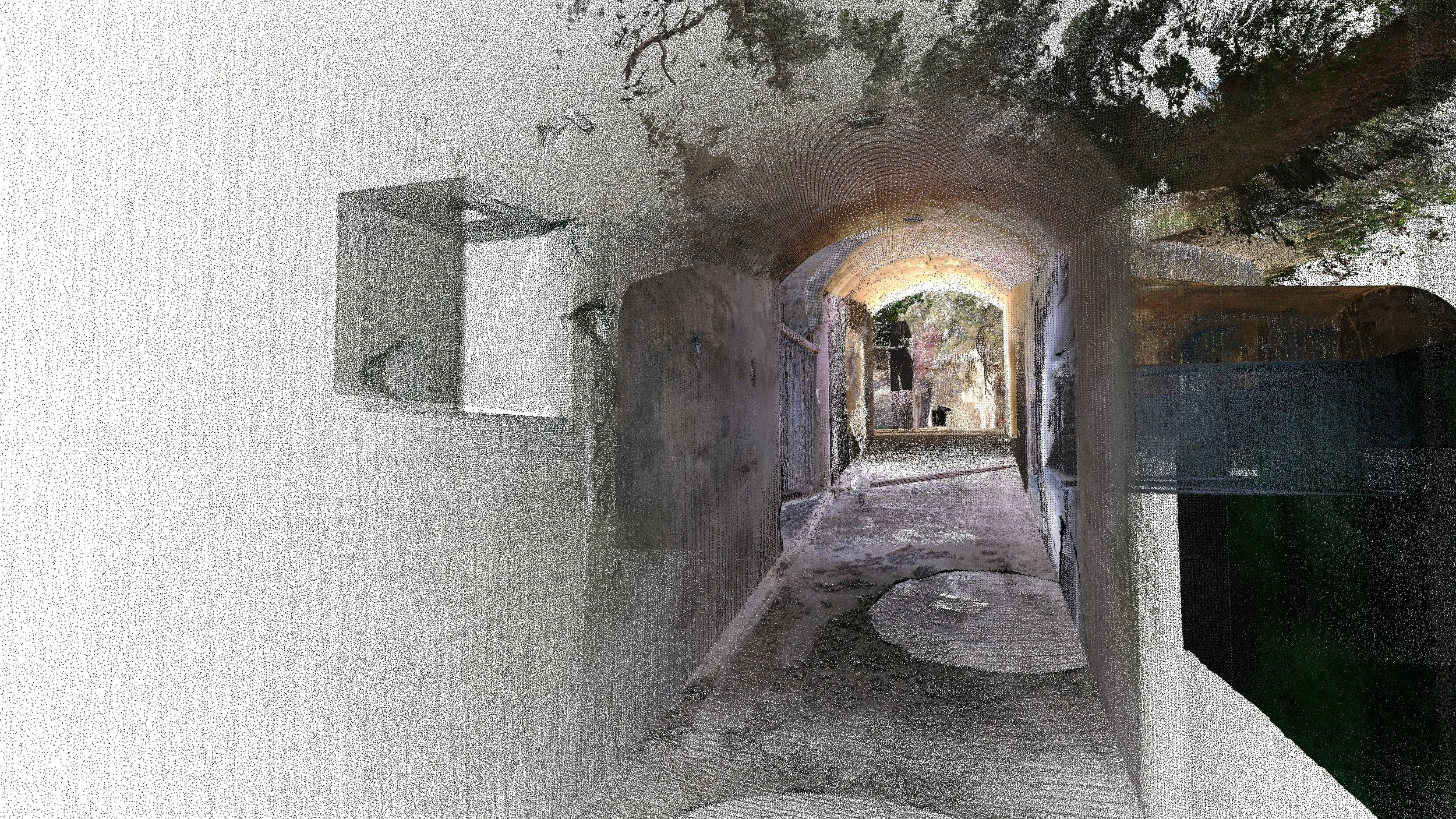
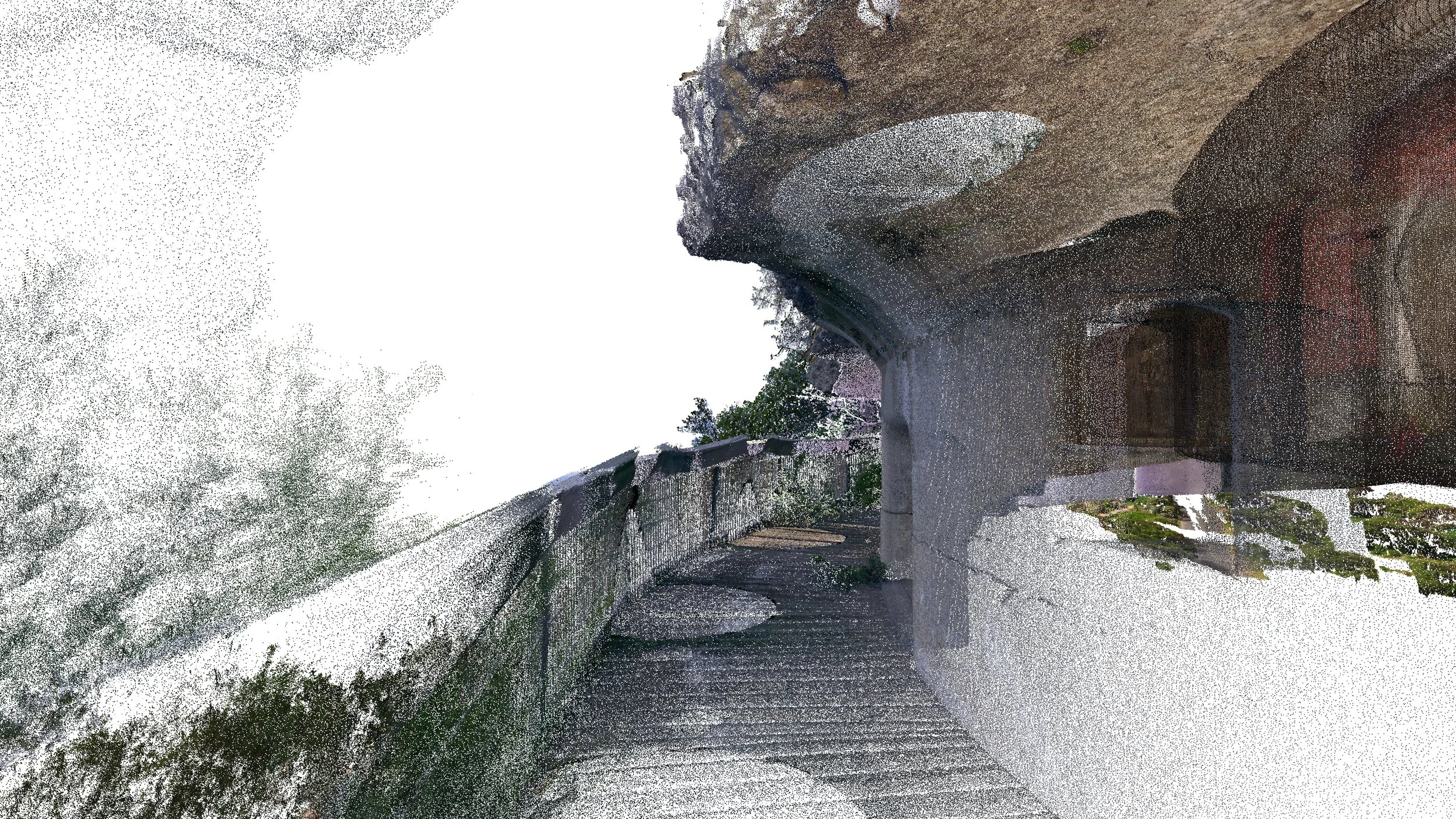
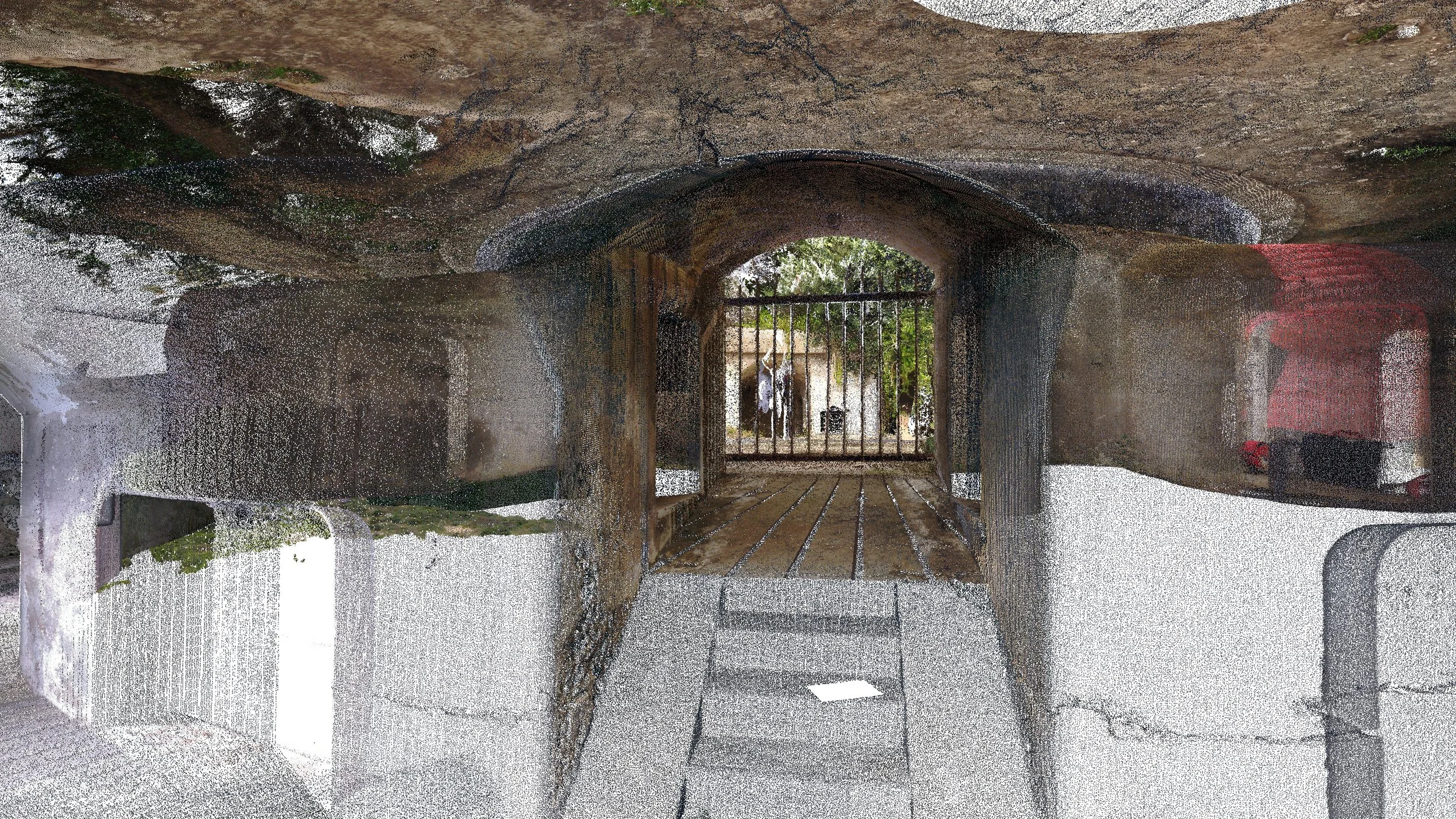
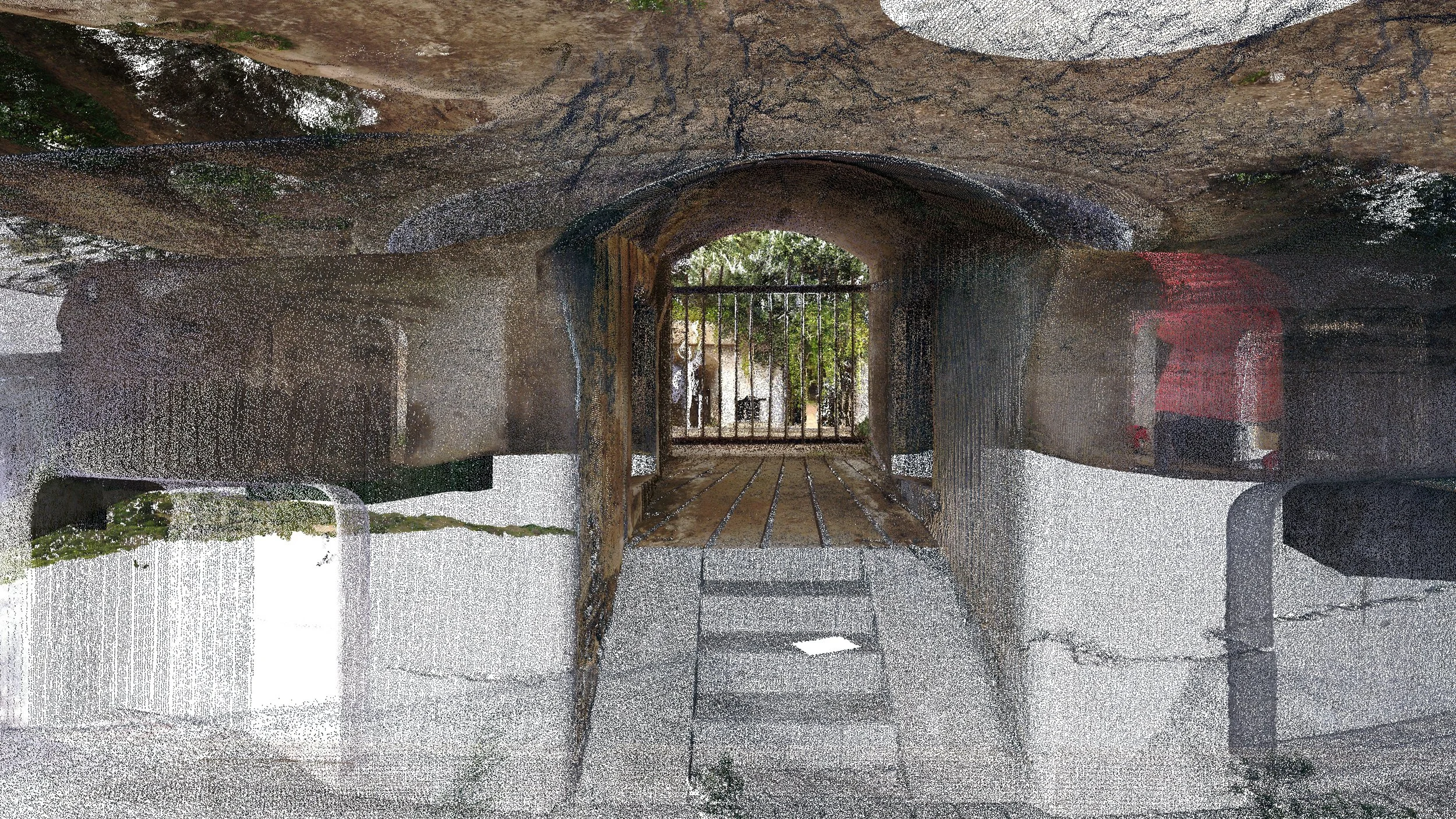
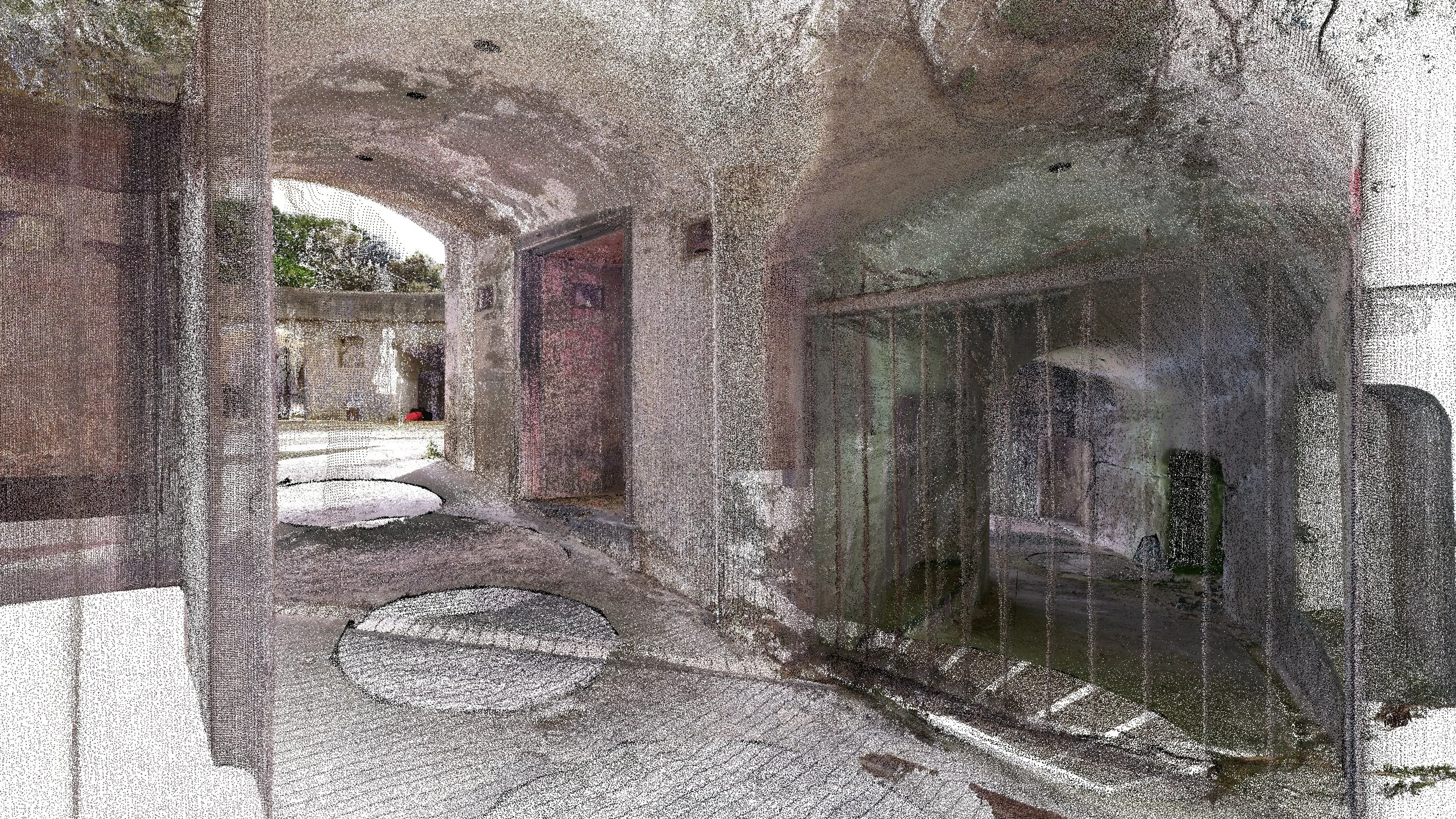
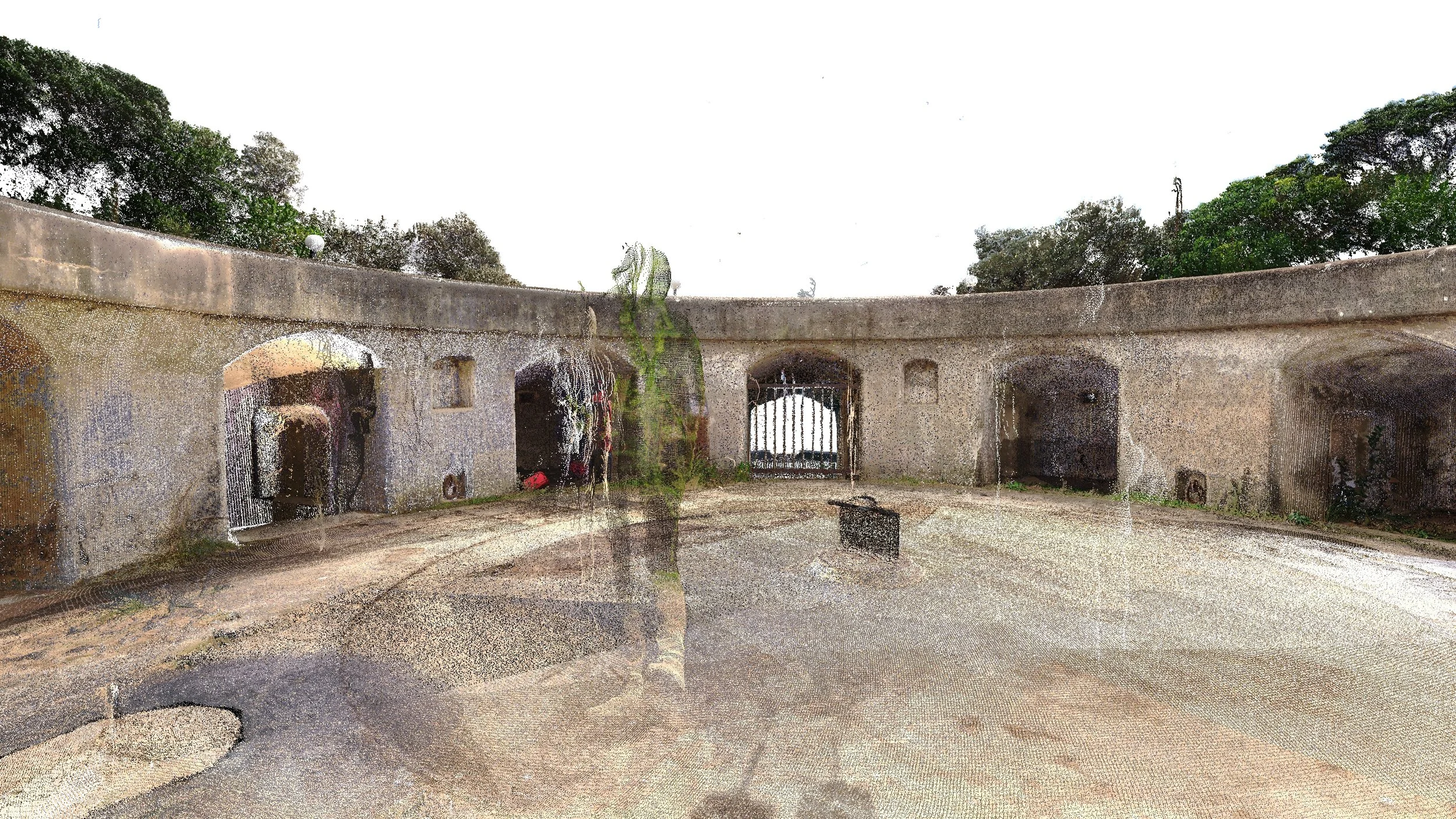
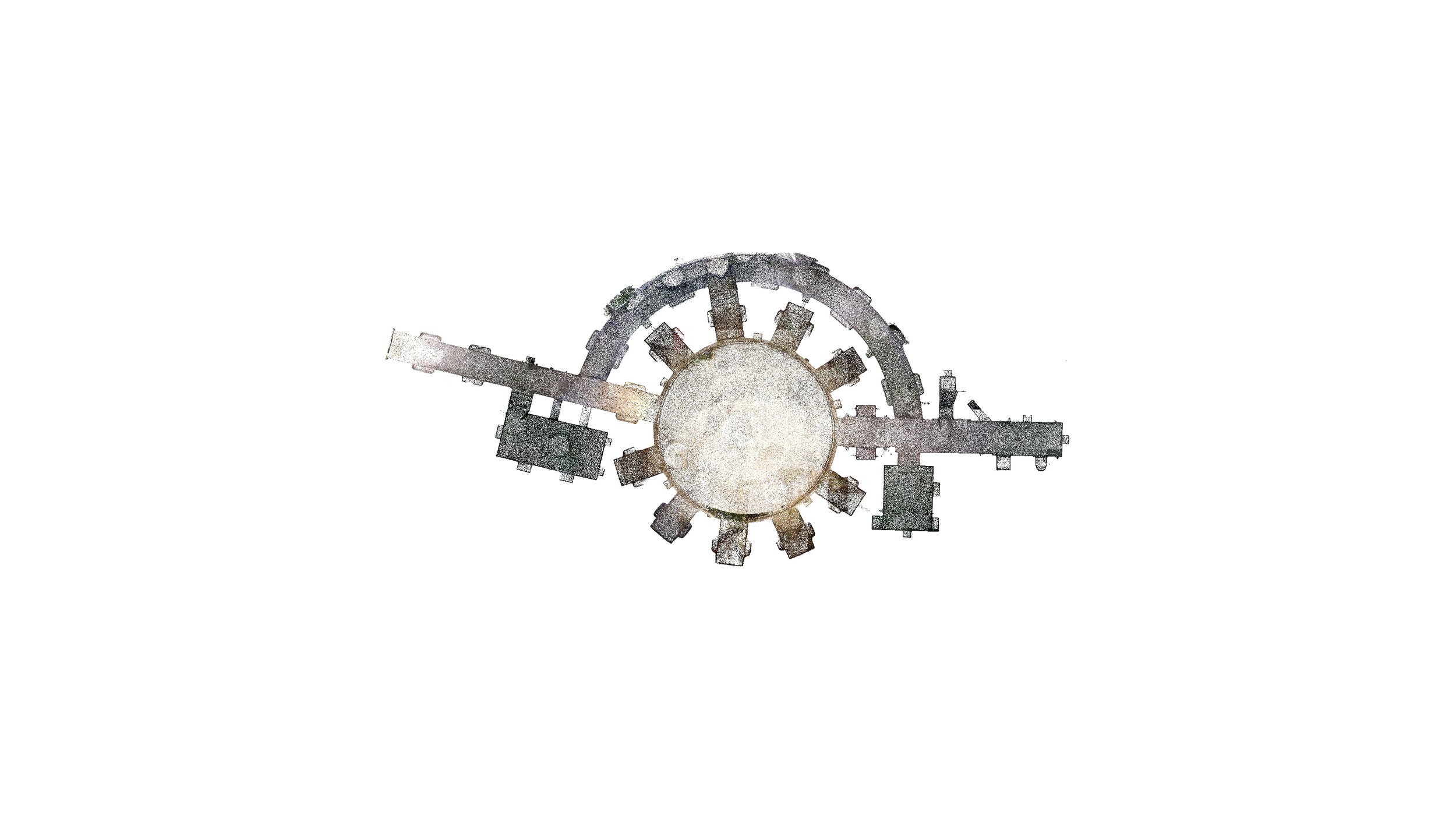
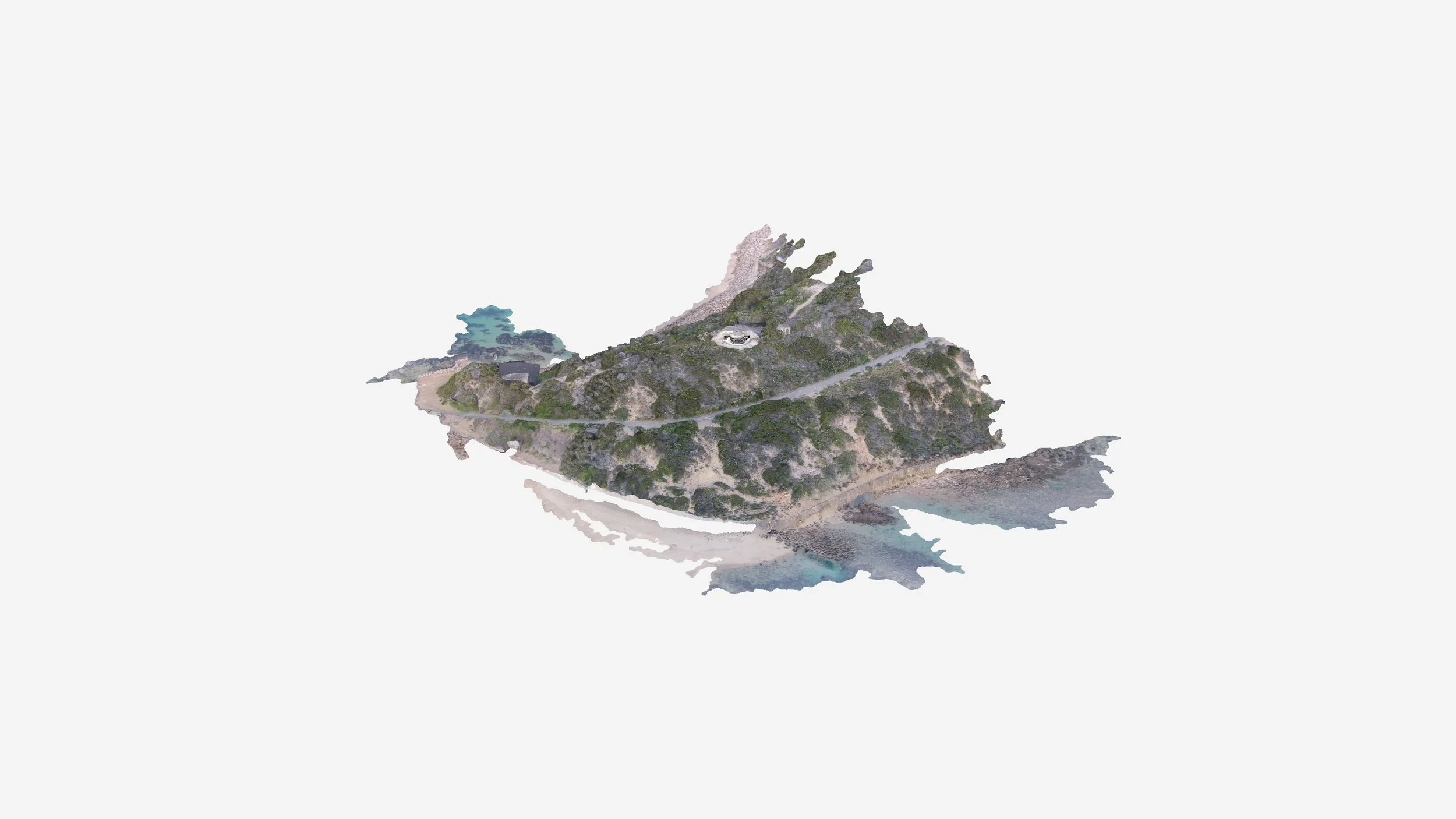
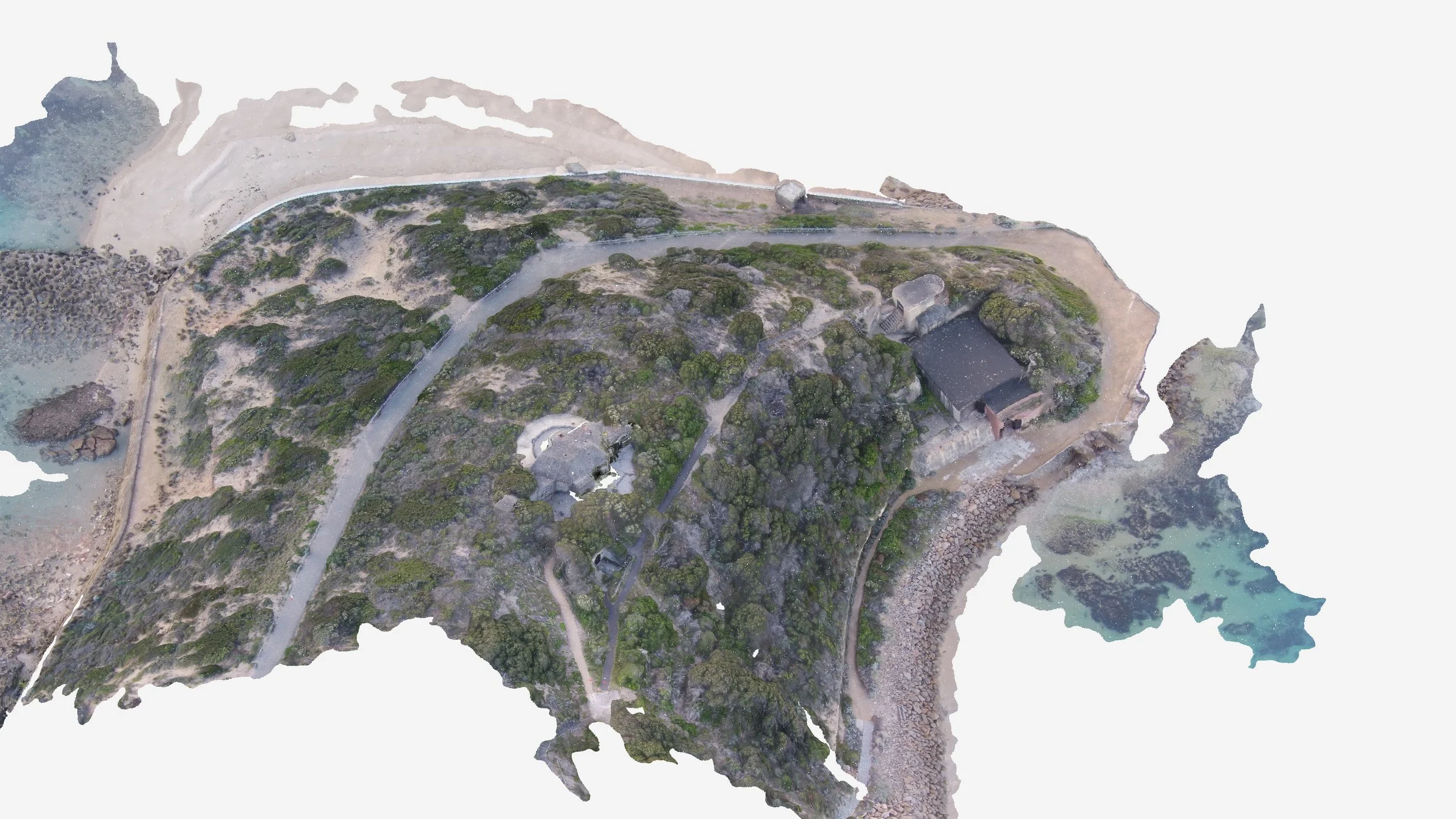
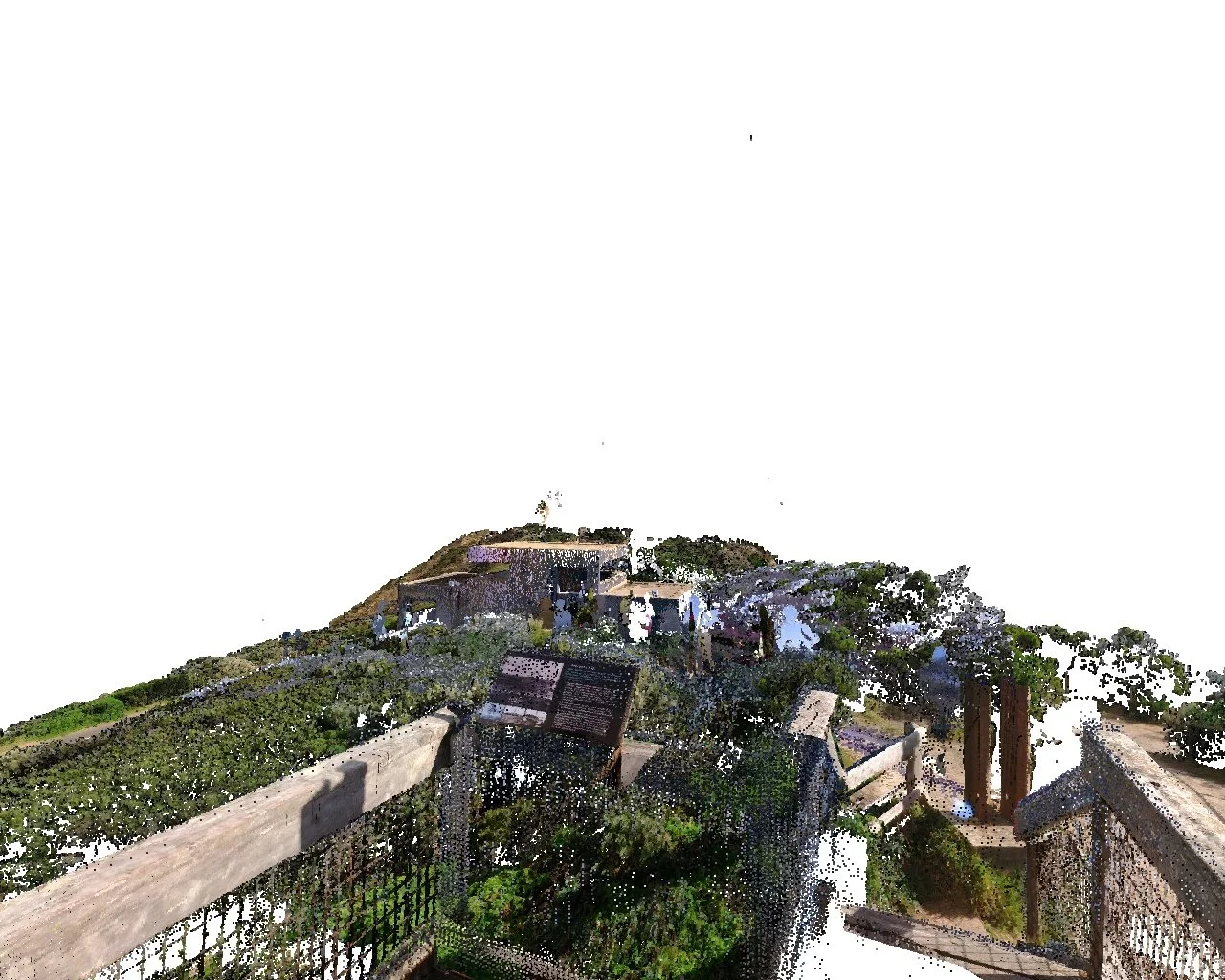
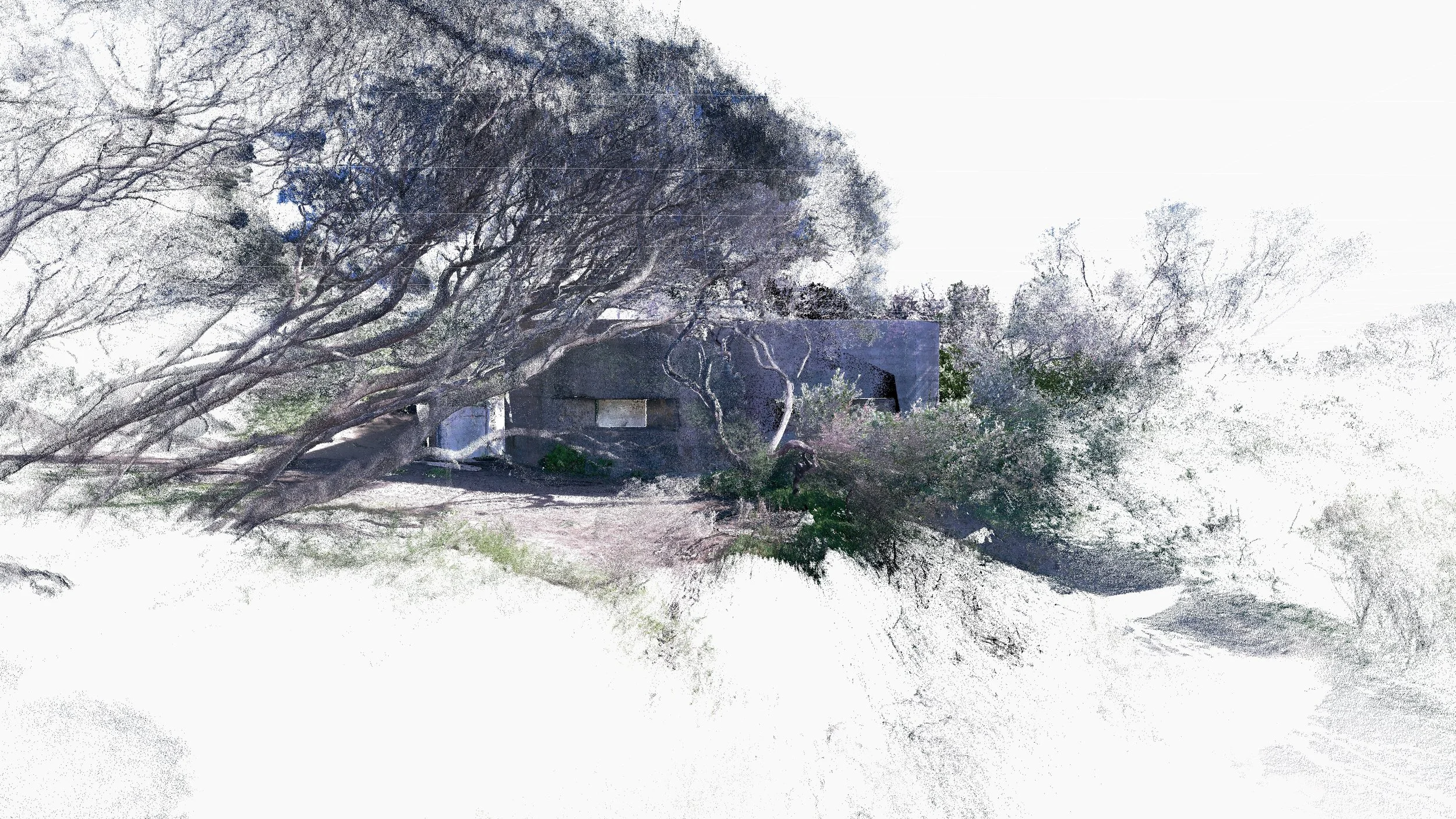
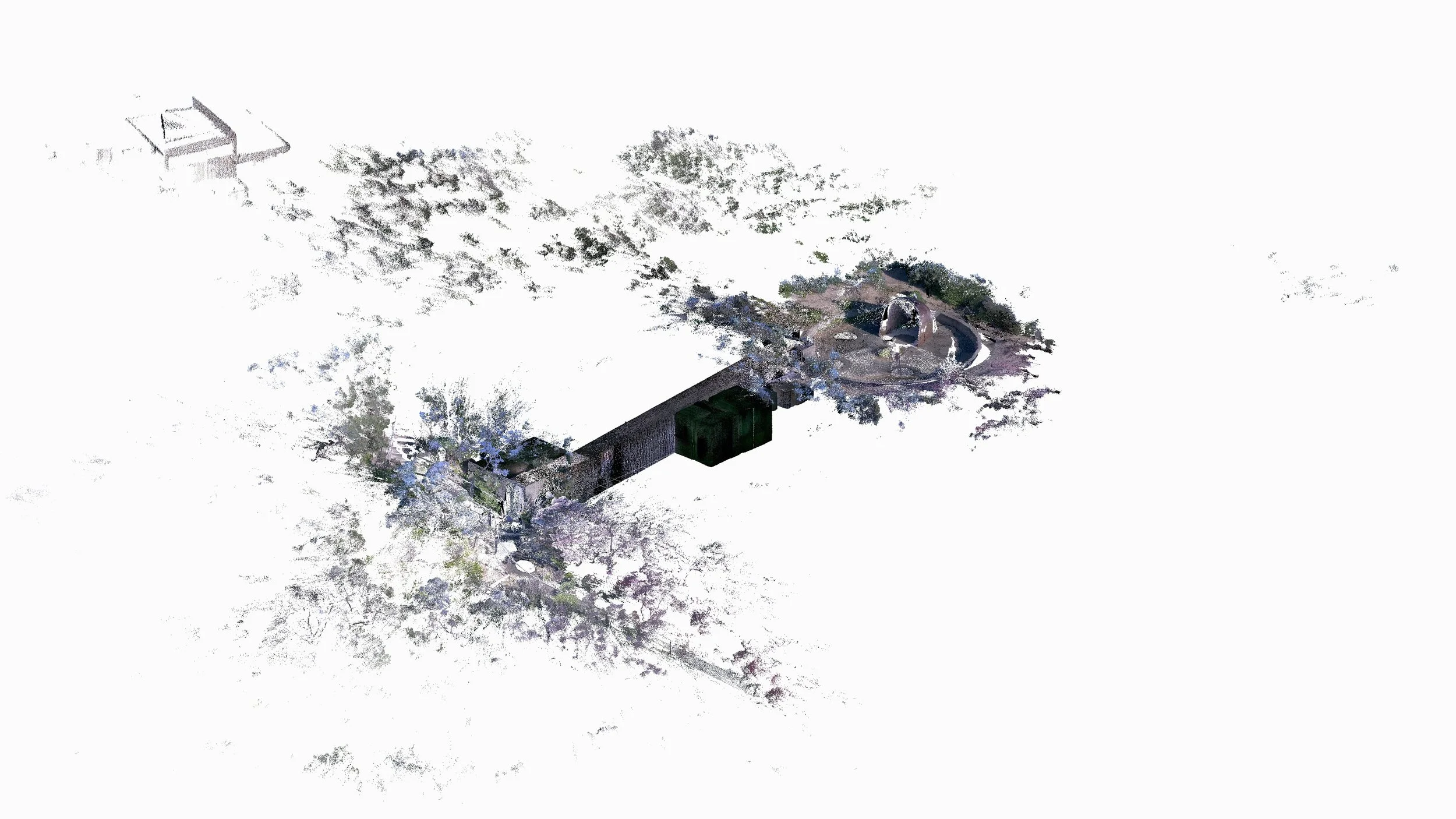
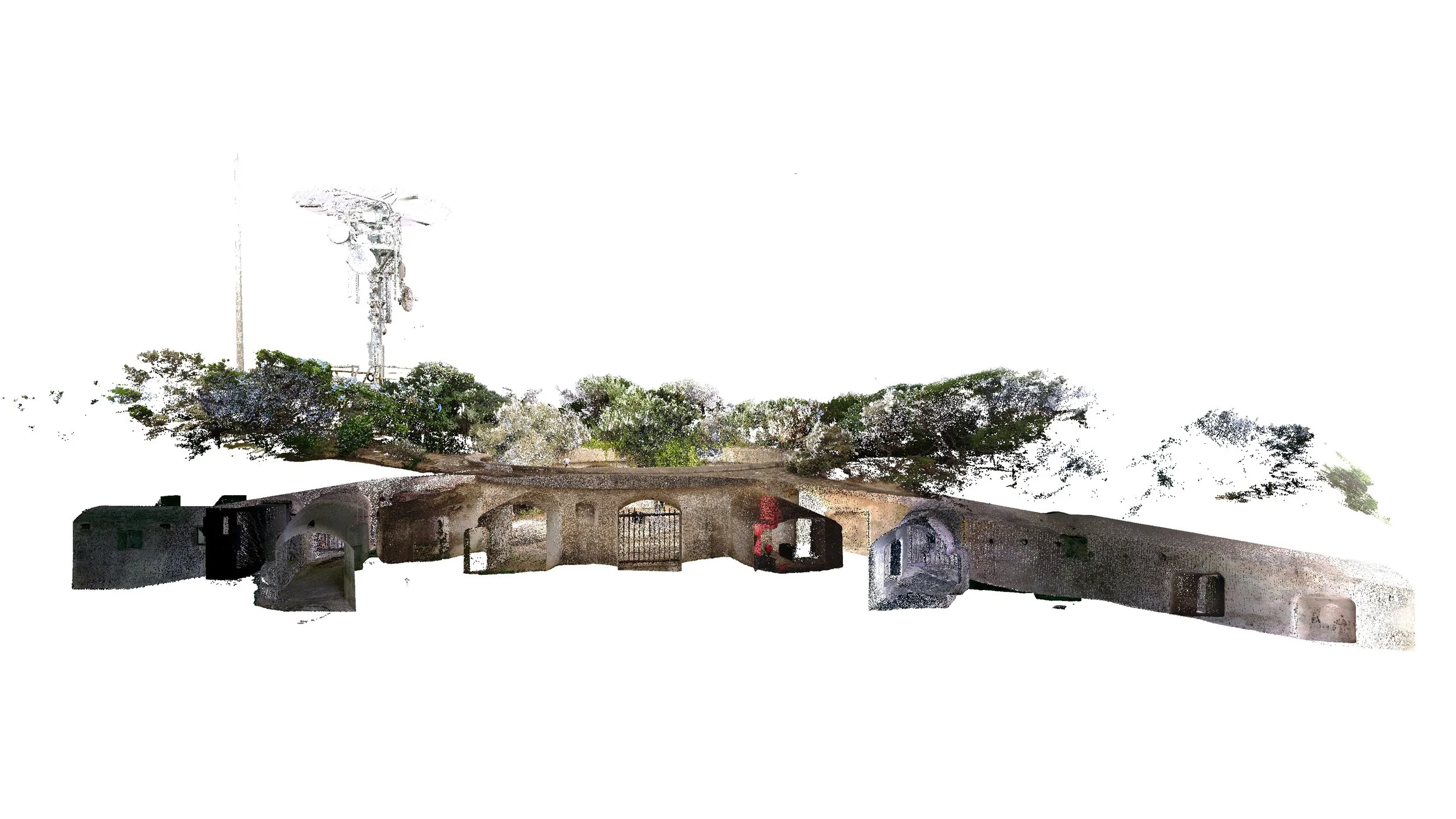

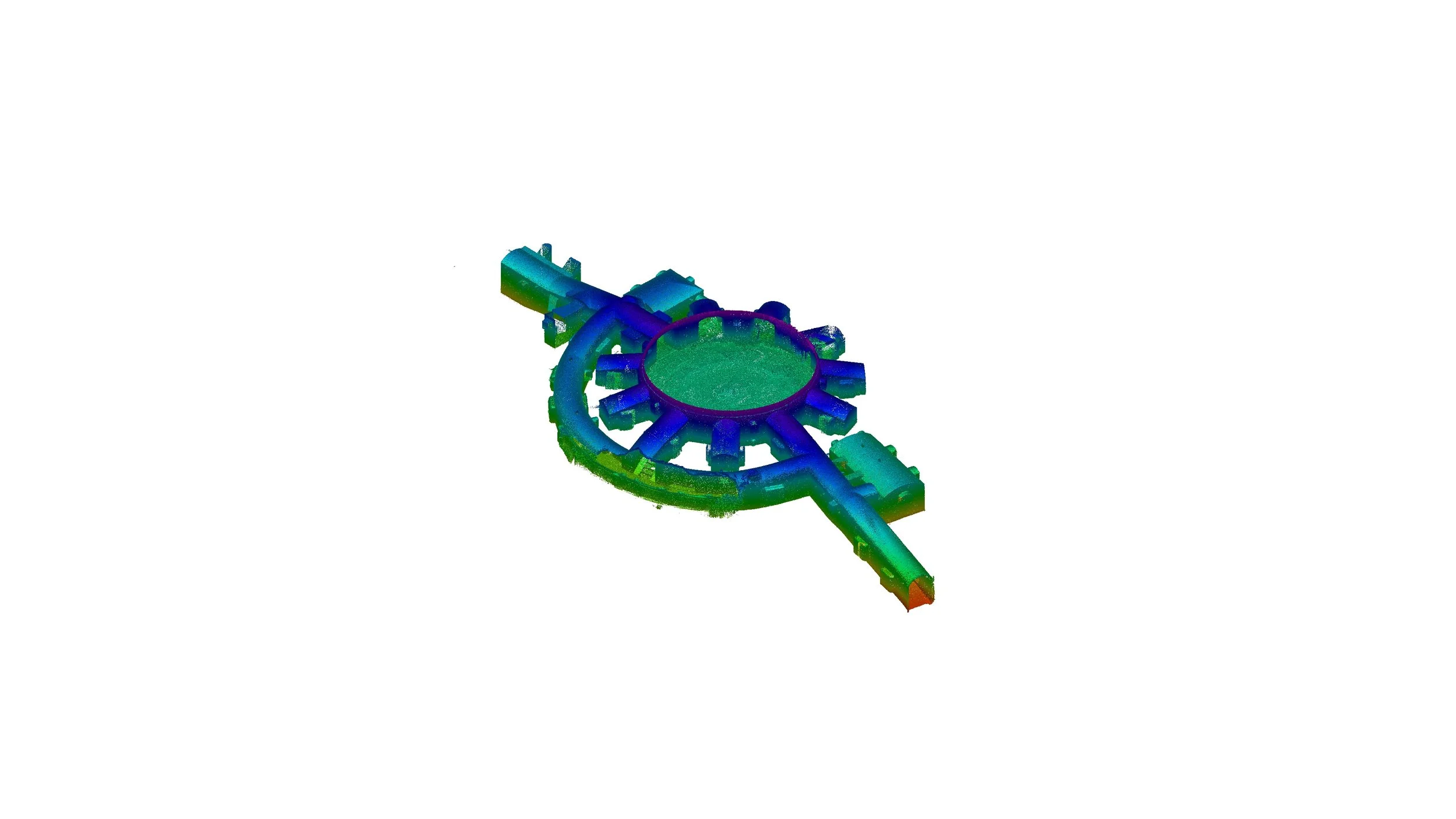
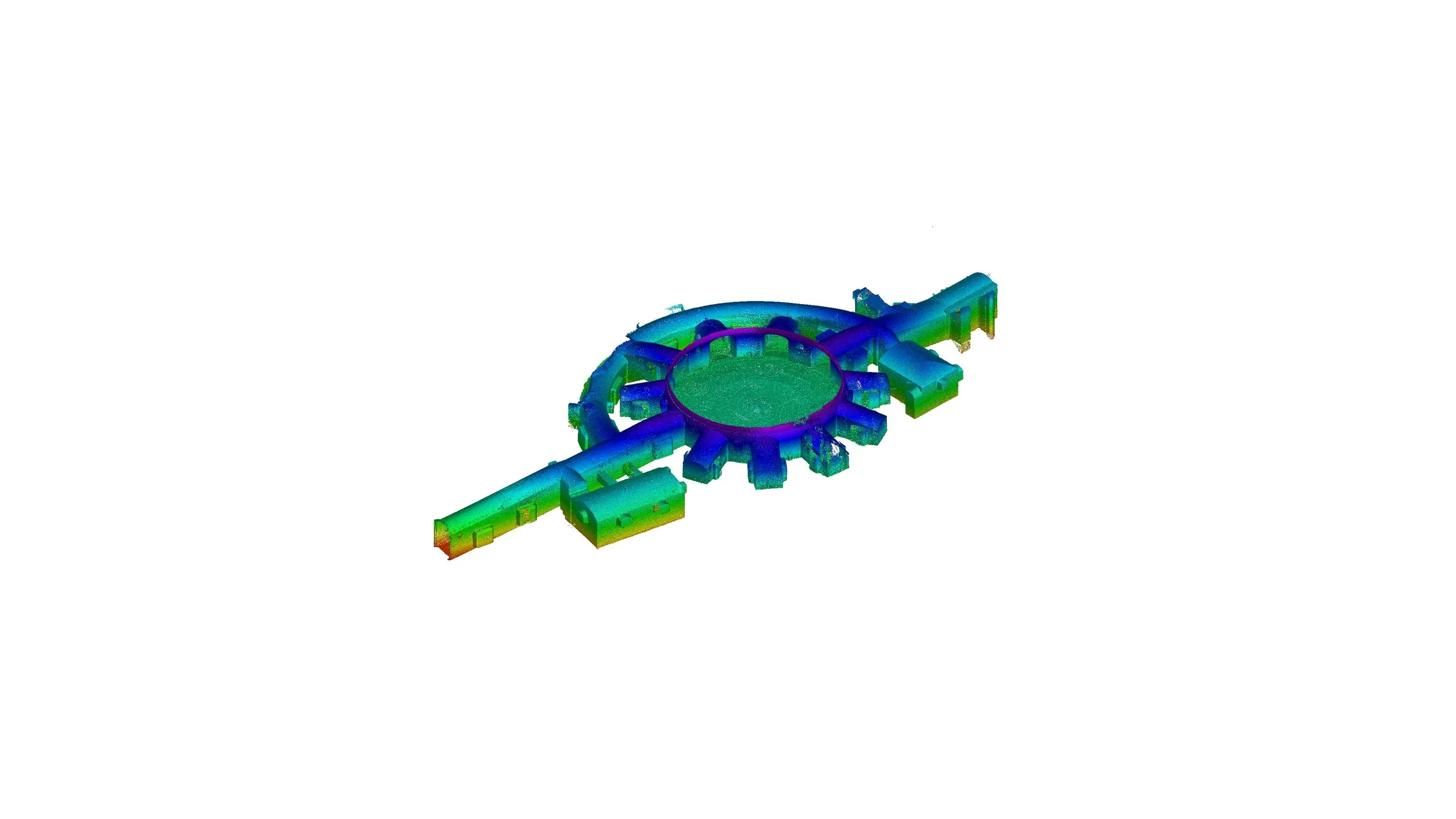
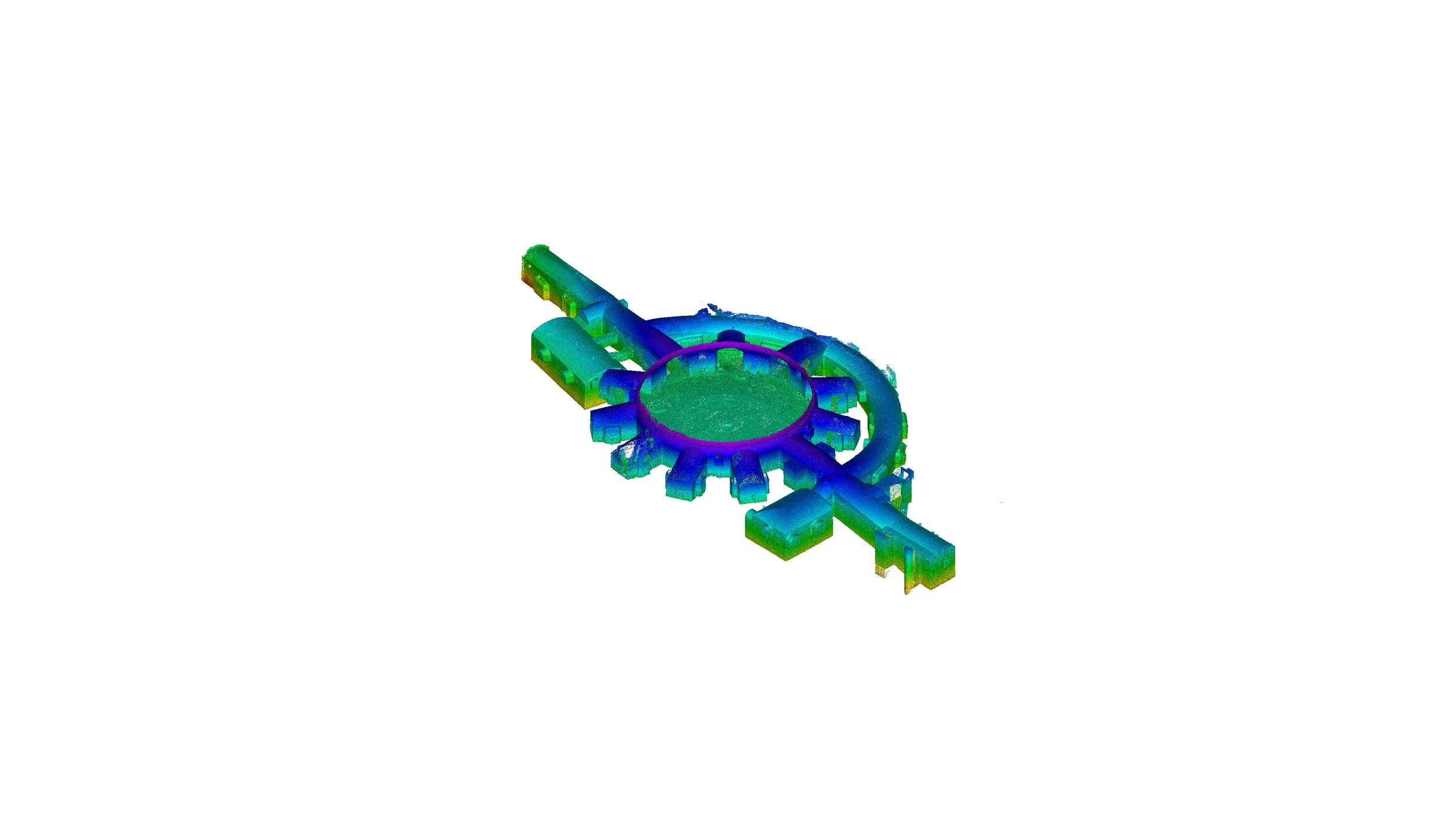

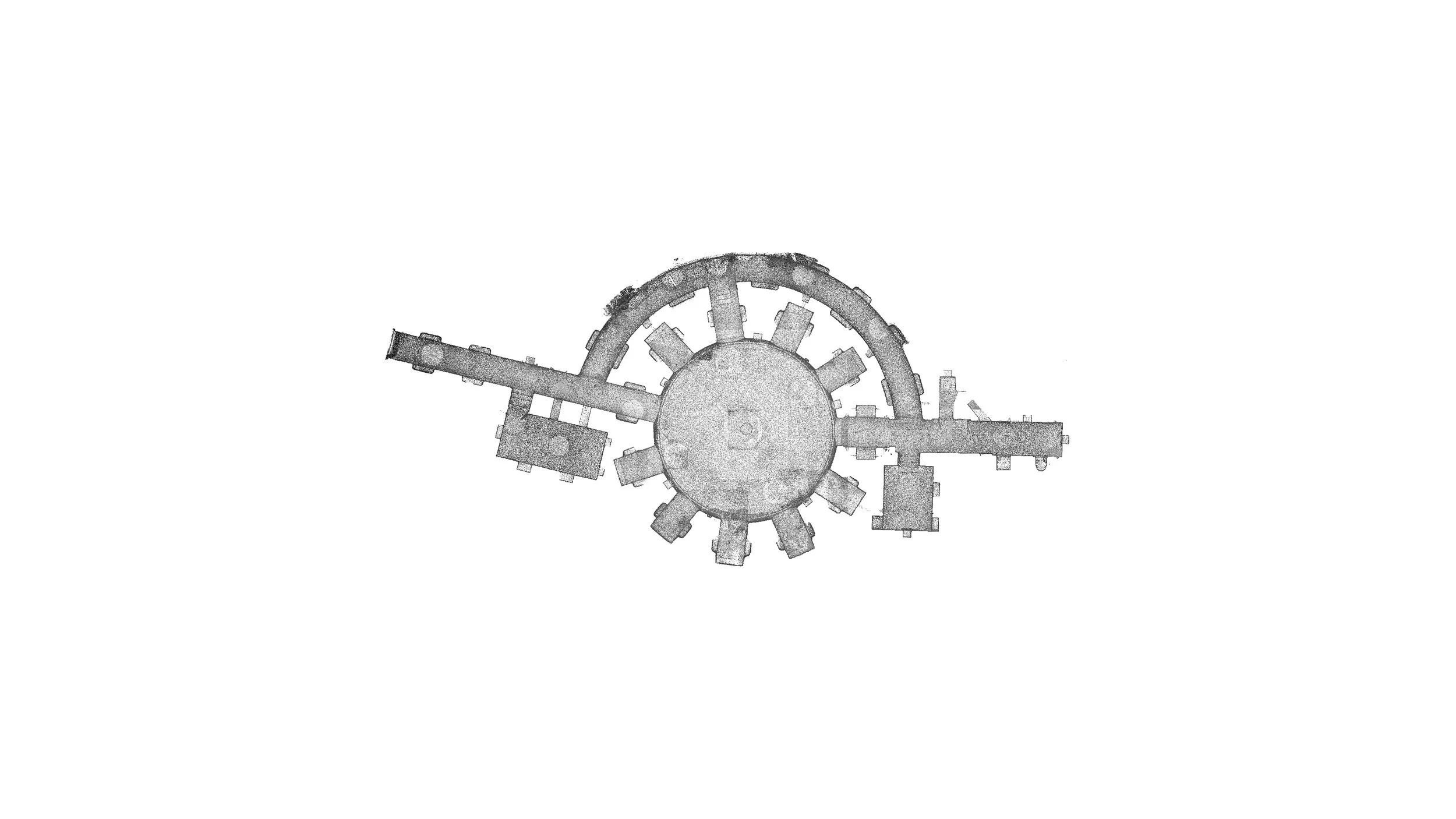
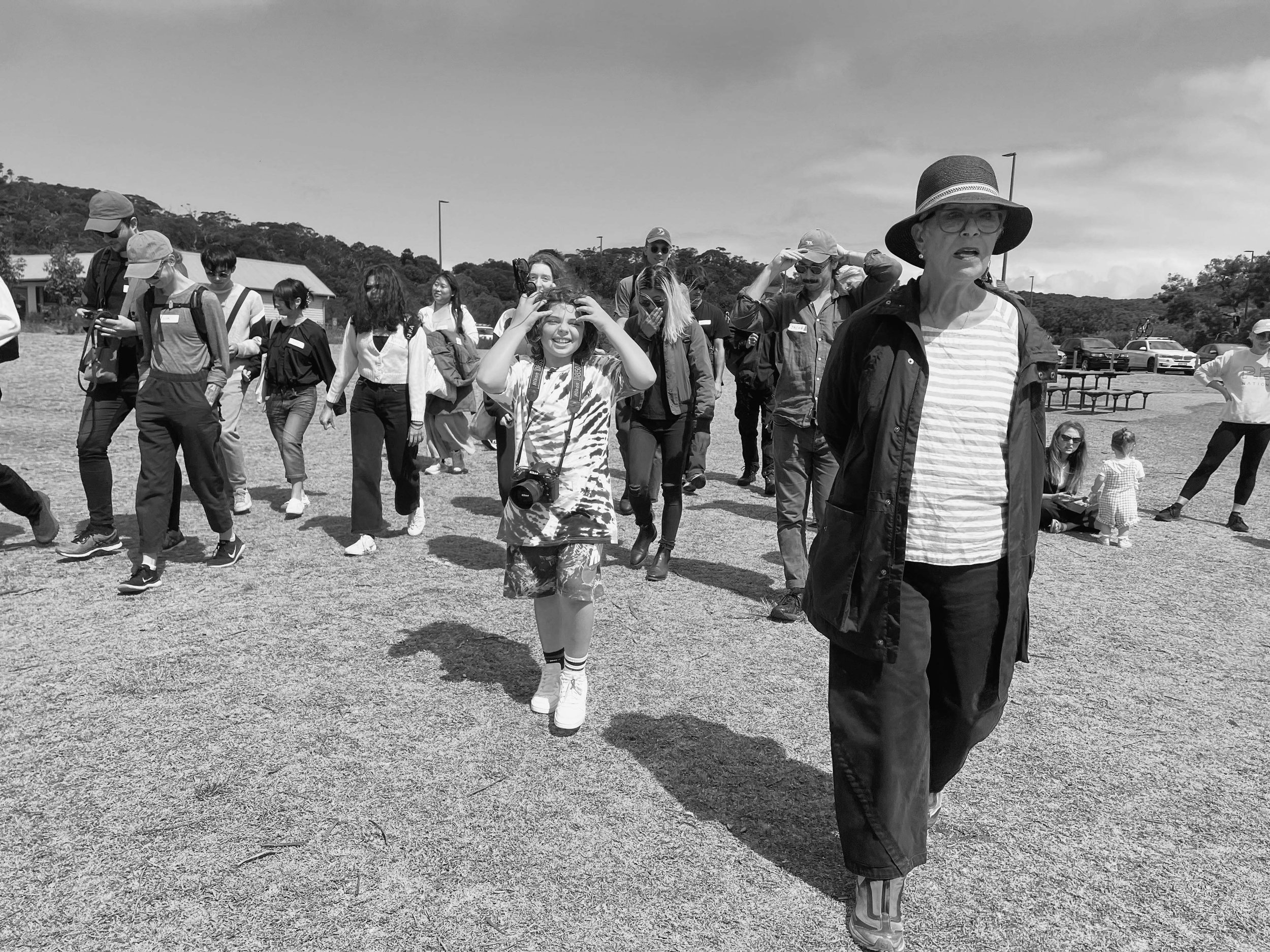
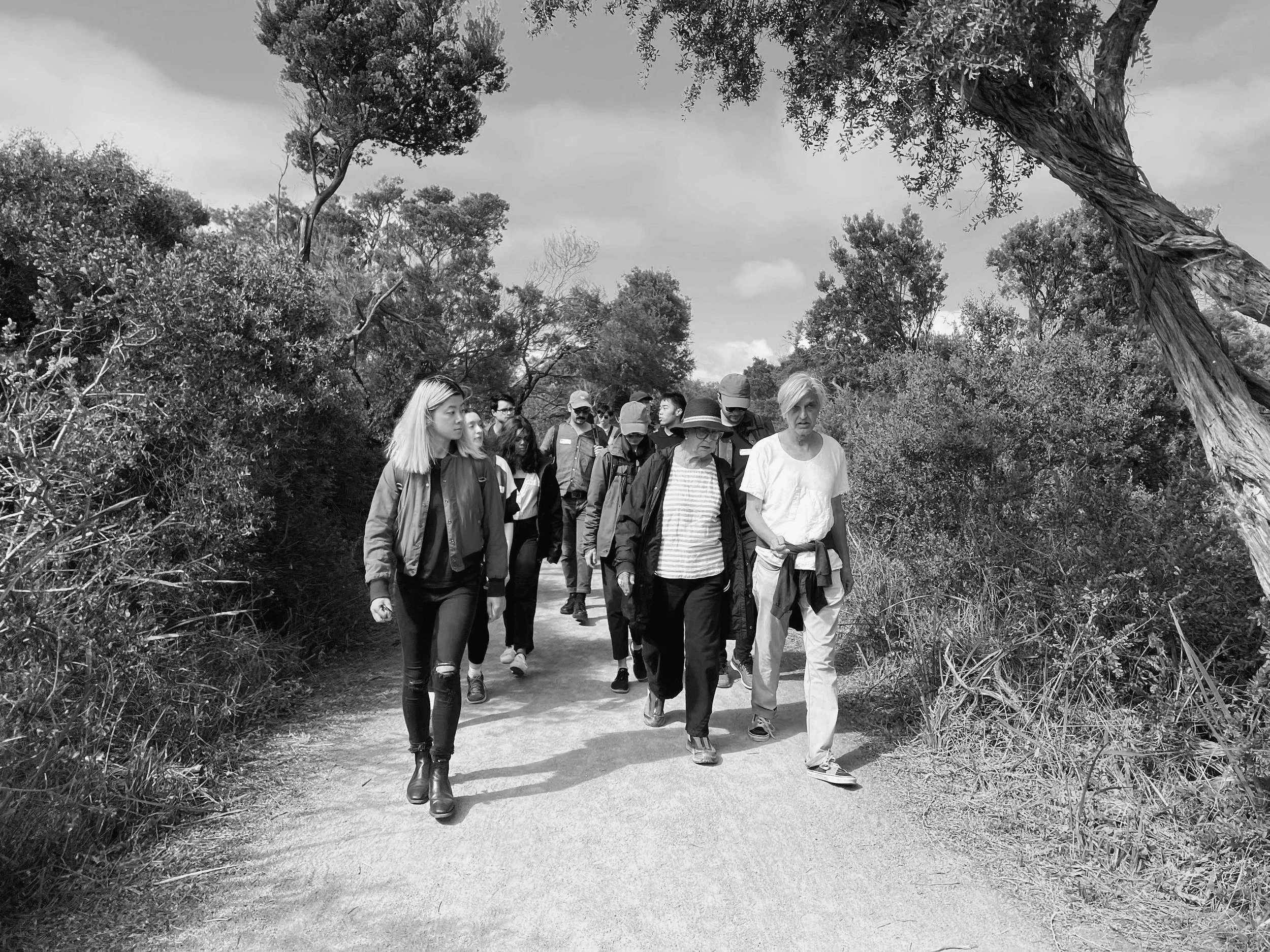
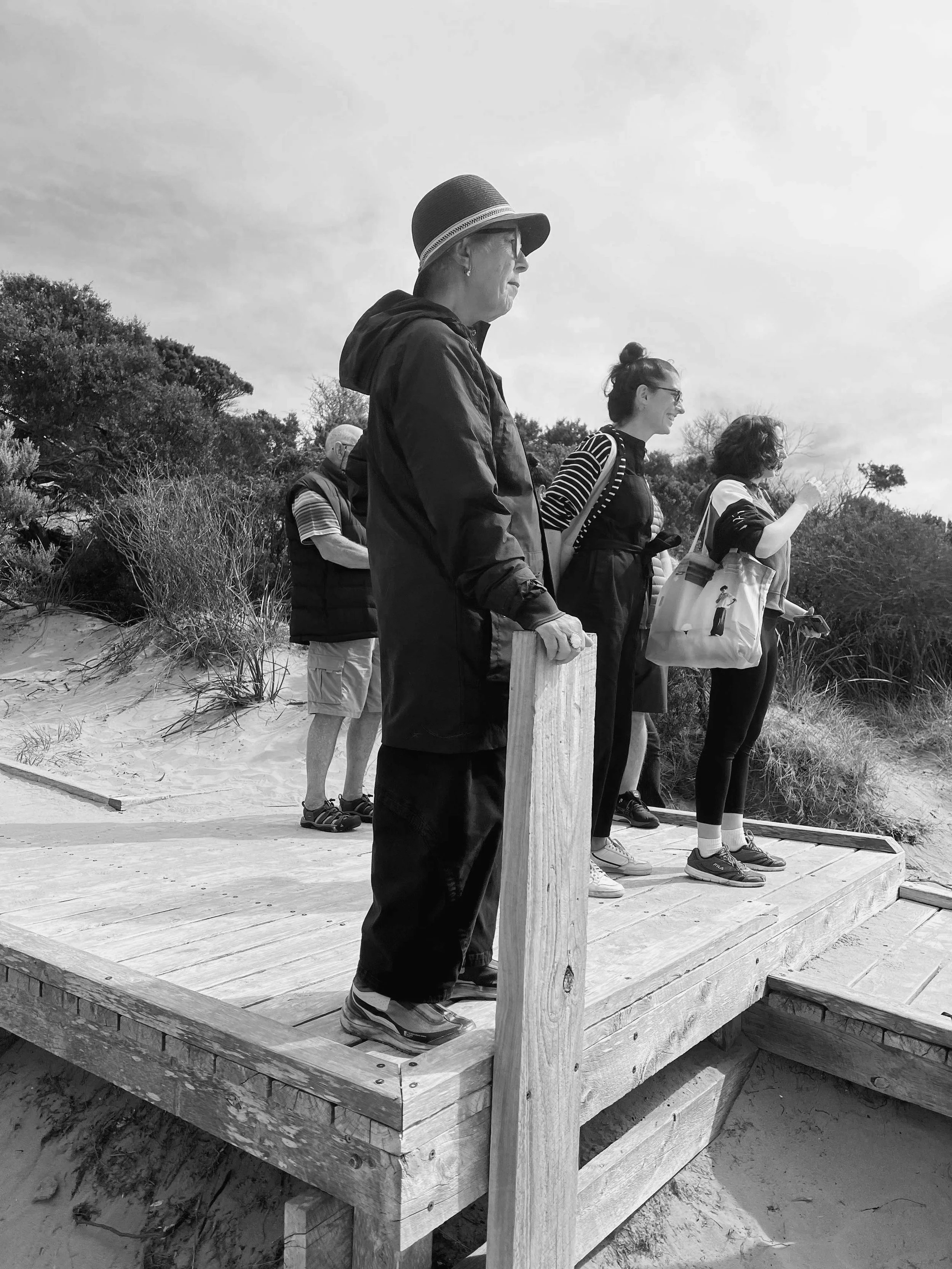
Situated at the end of the Mornington Peninsula in the Point Nepean National Park, Melbourne’s former Quarantine Station served as the fitting location for QUARANTINE STUDIO.
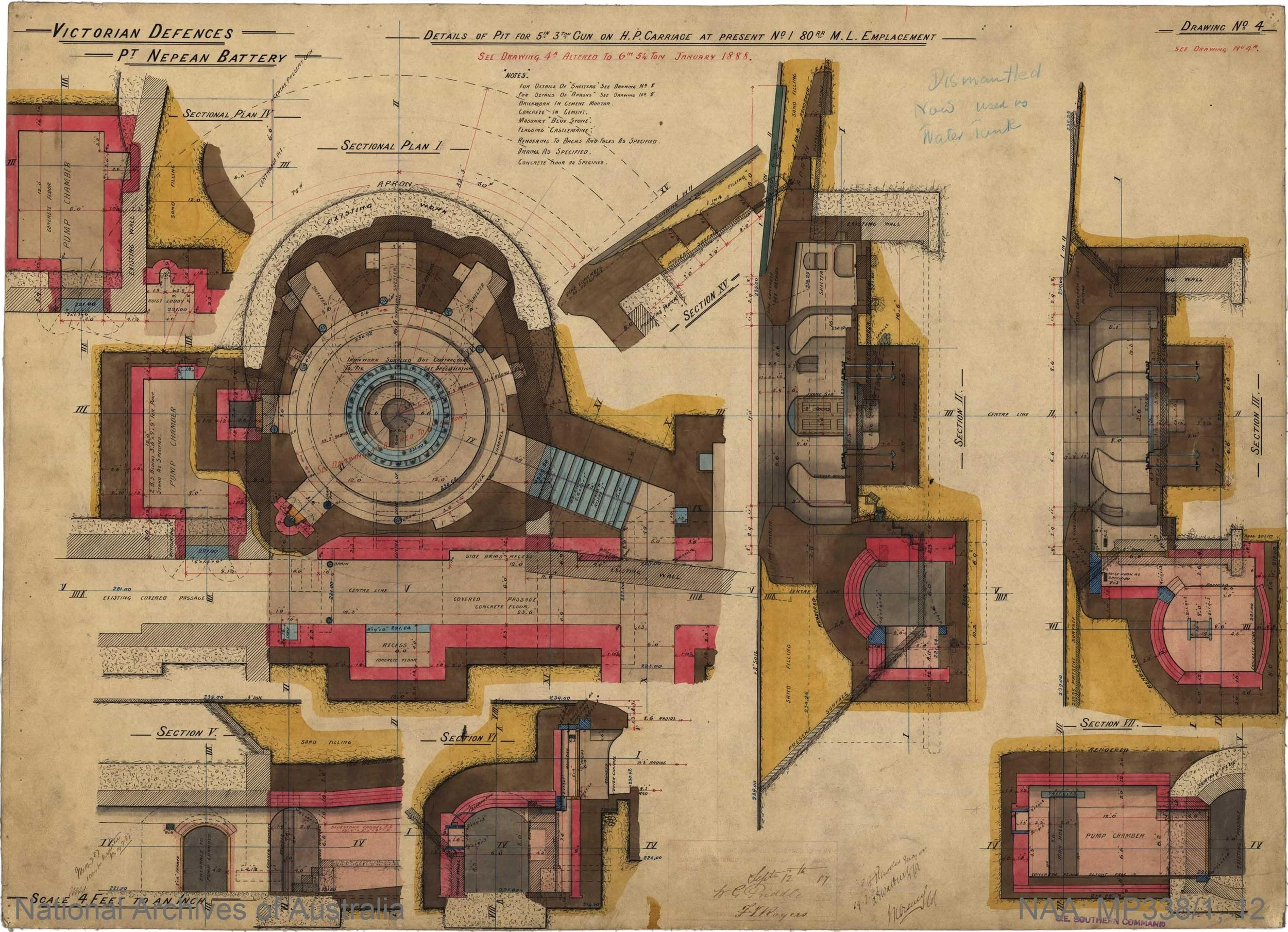
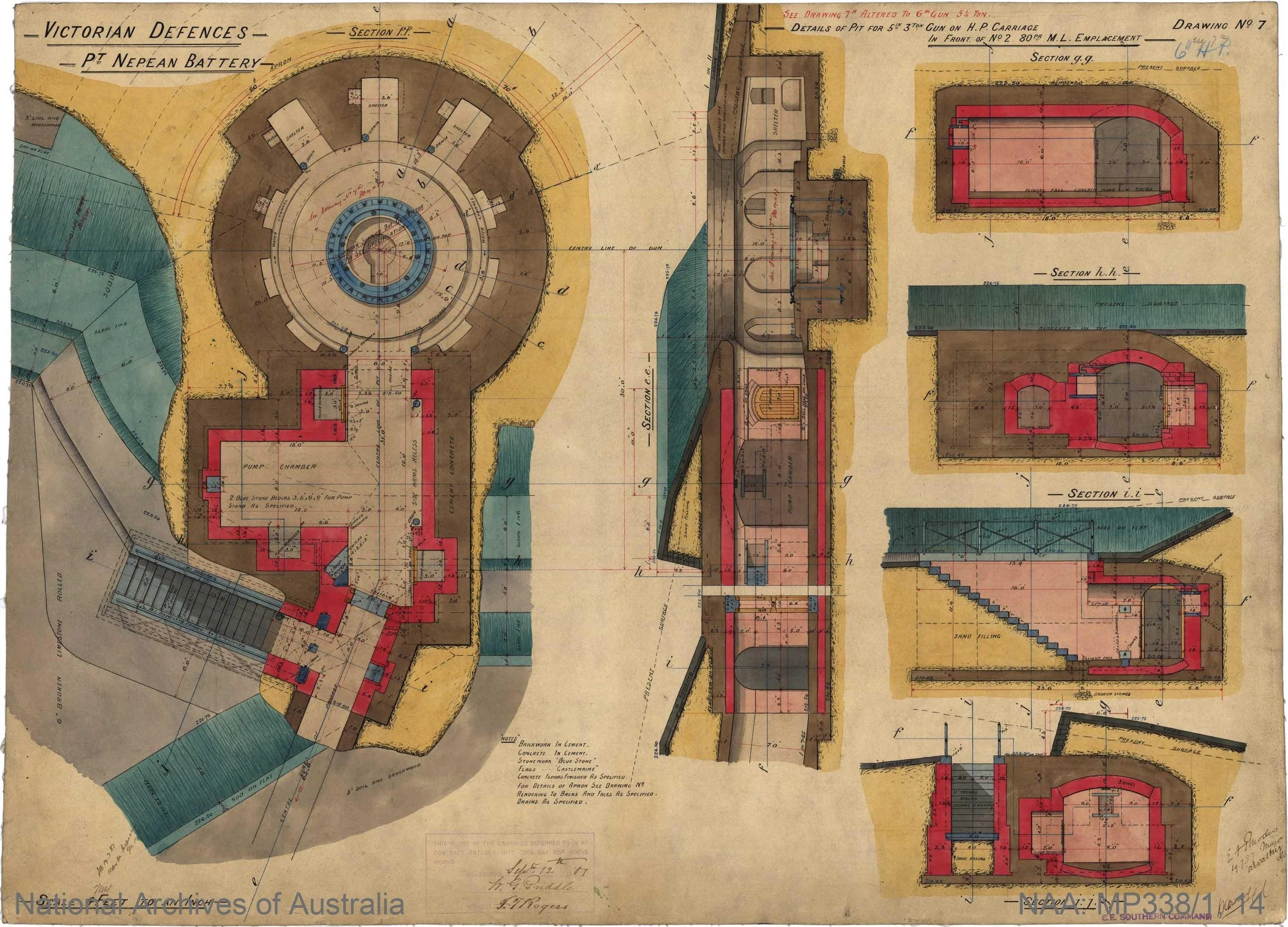
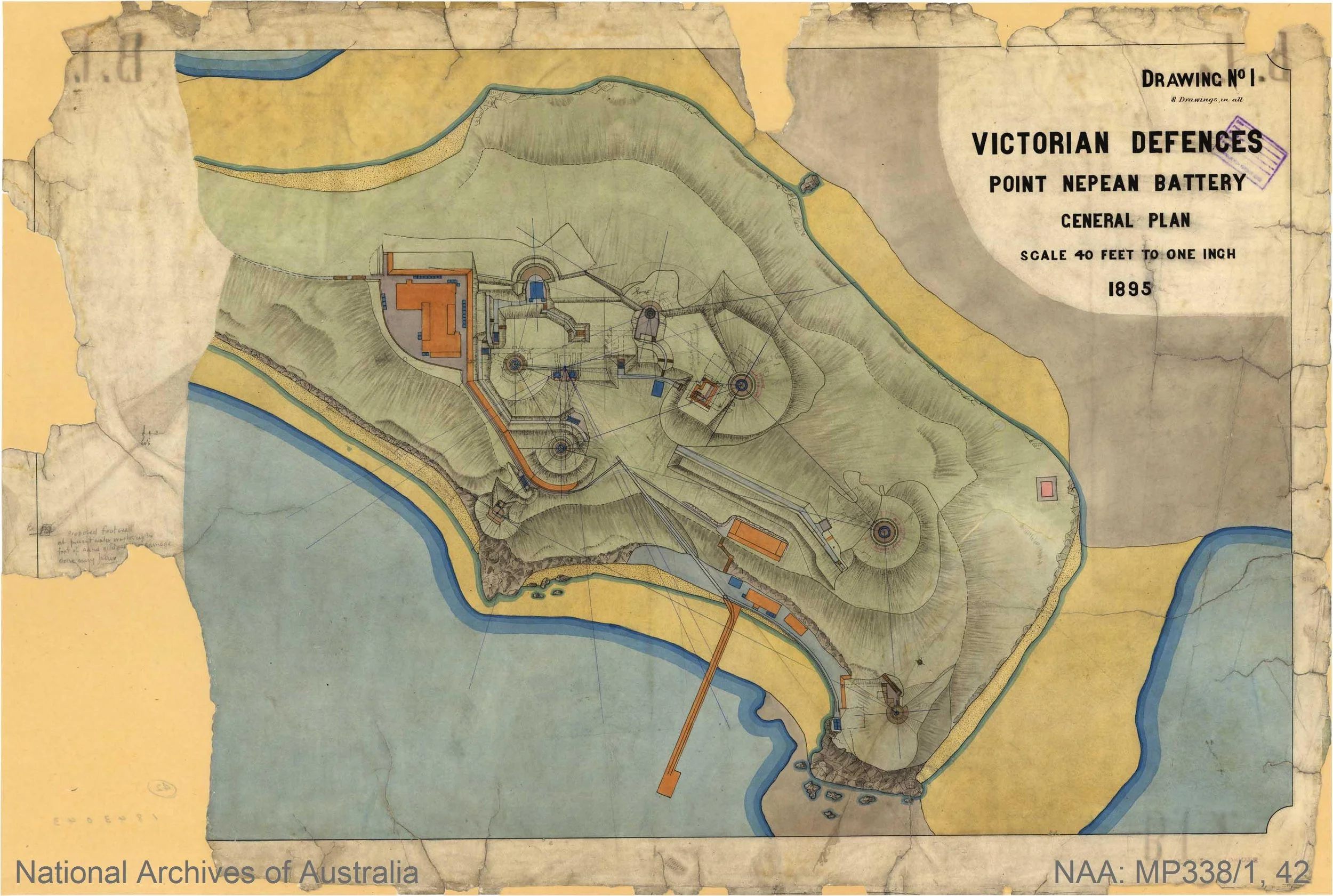
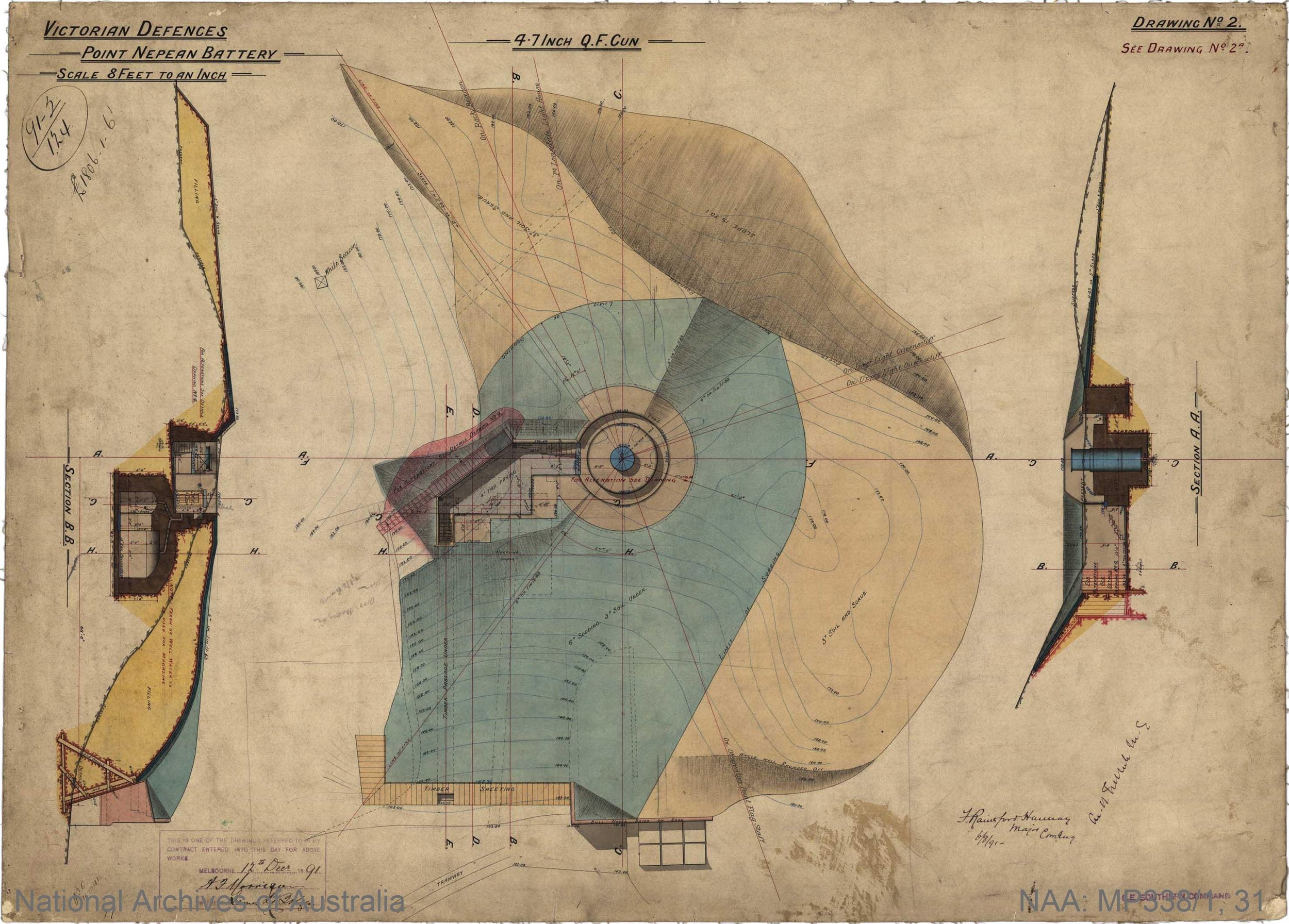
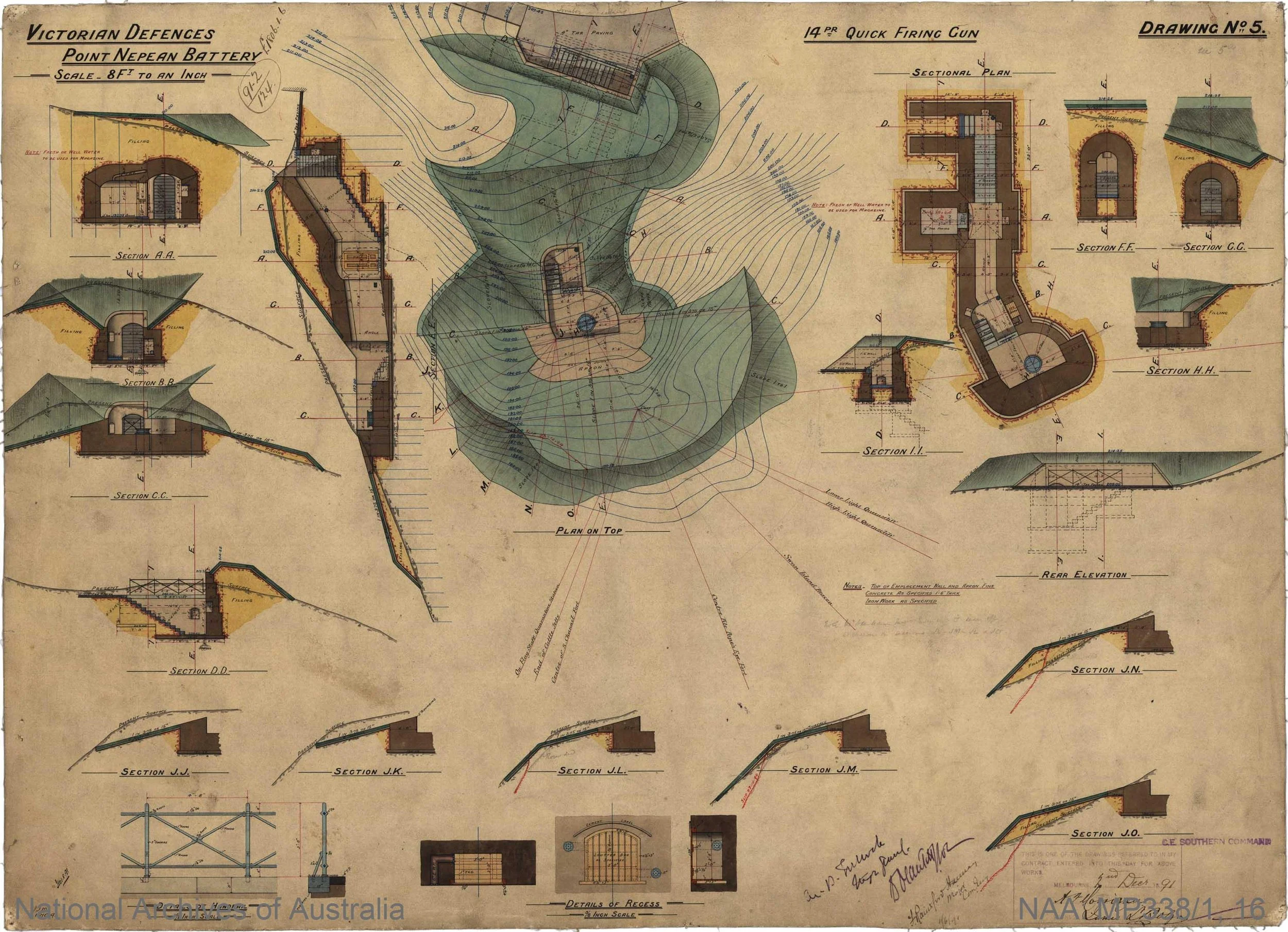
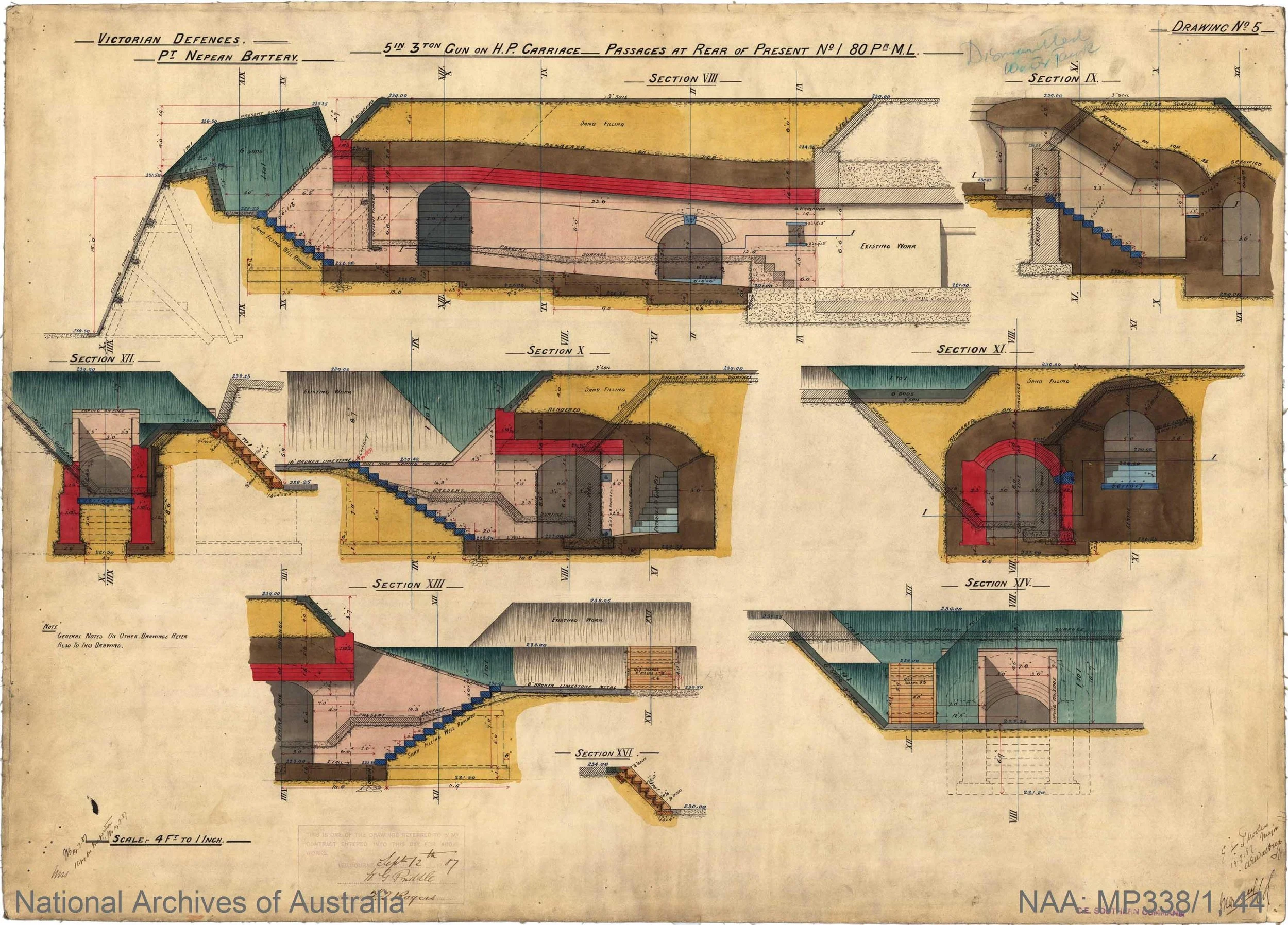
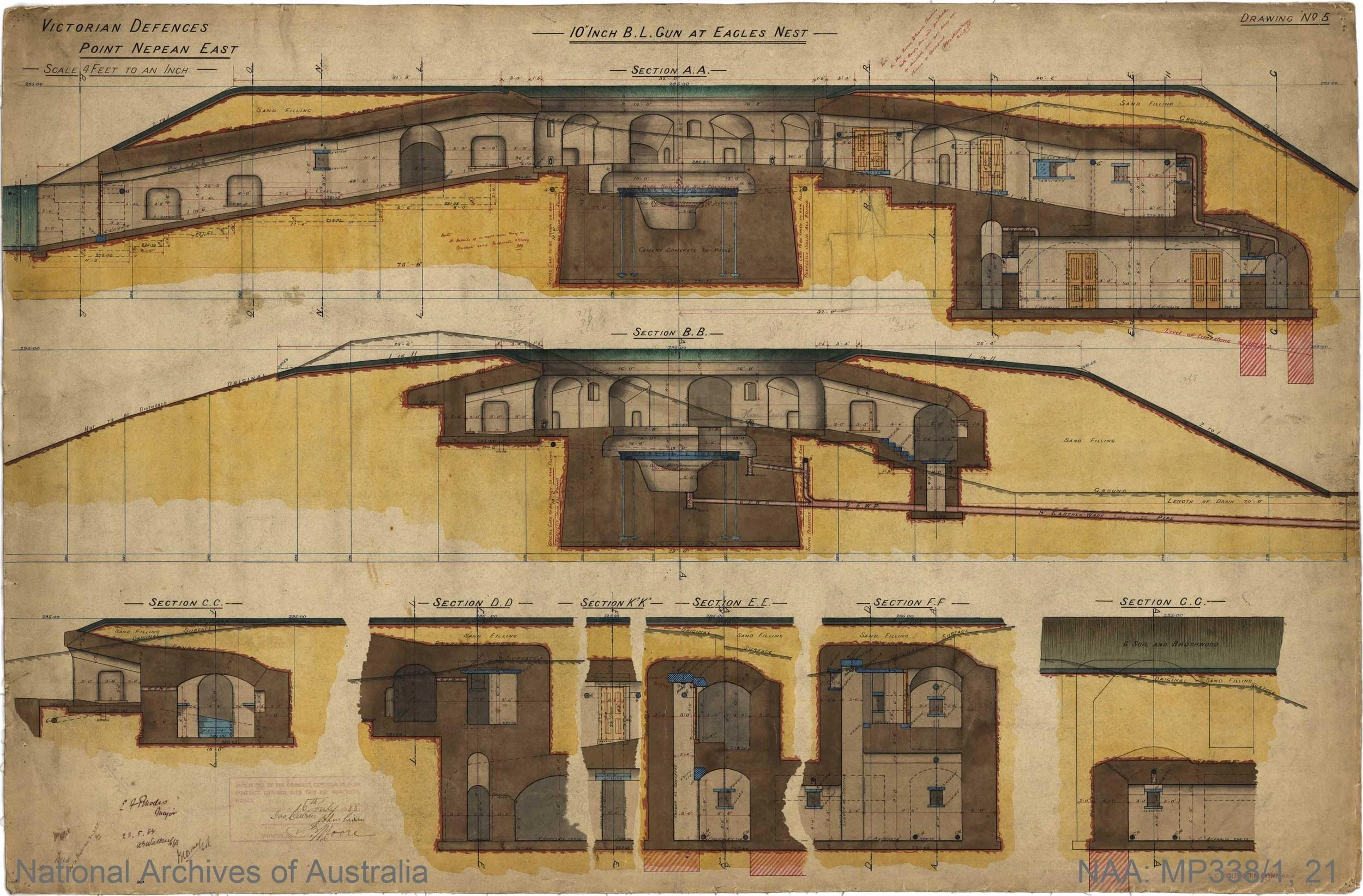
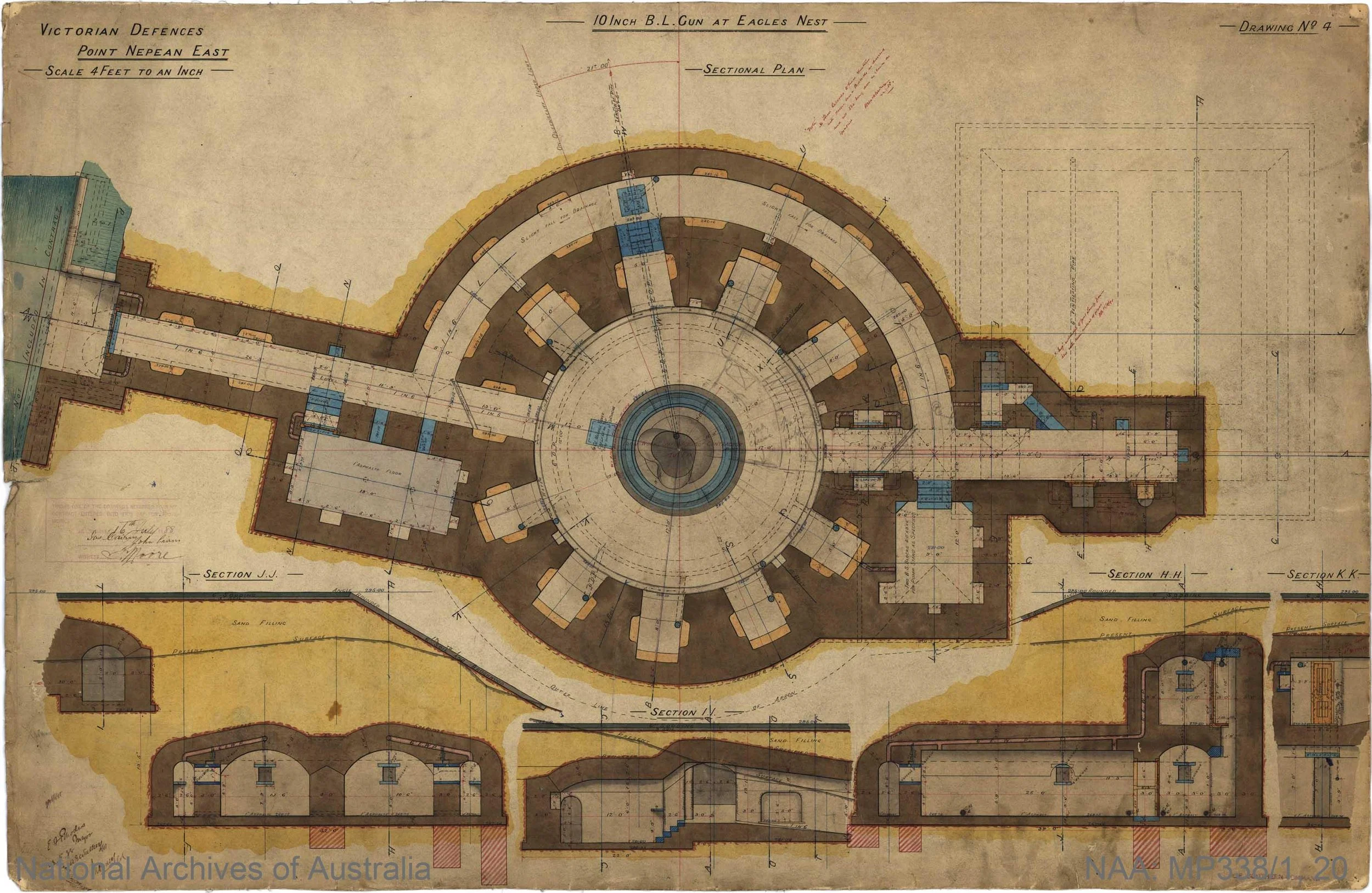
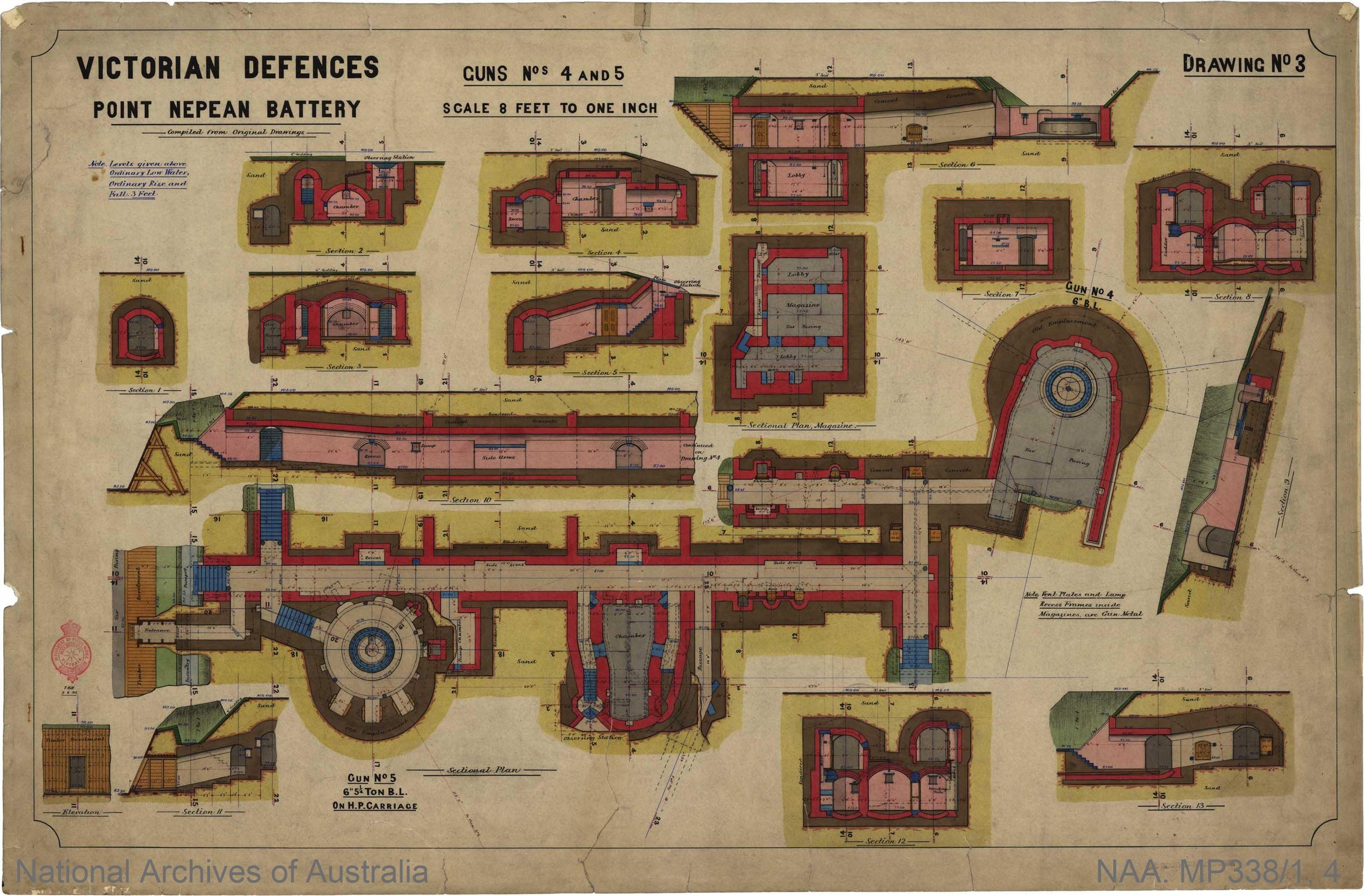
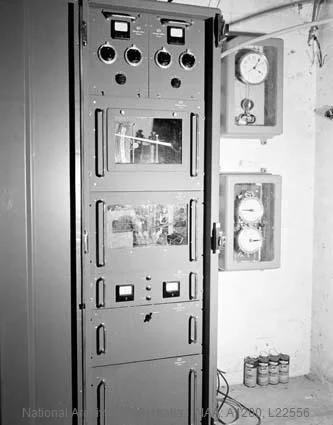
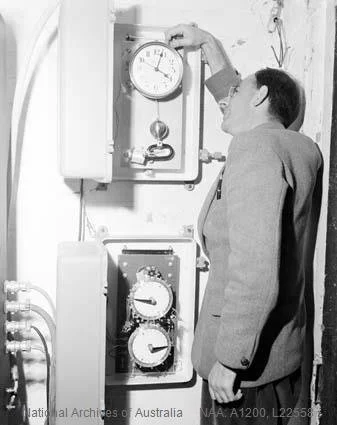
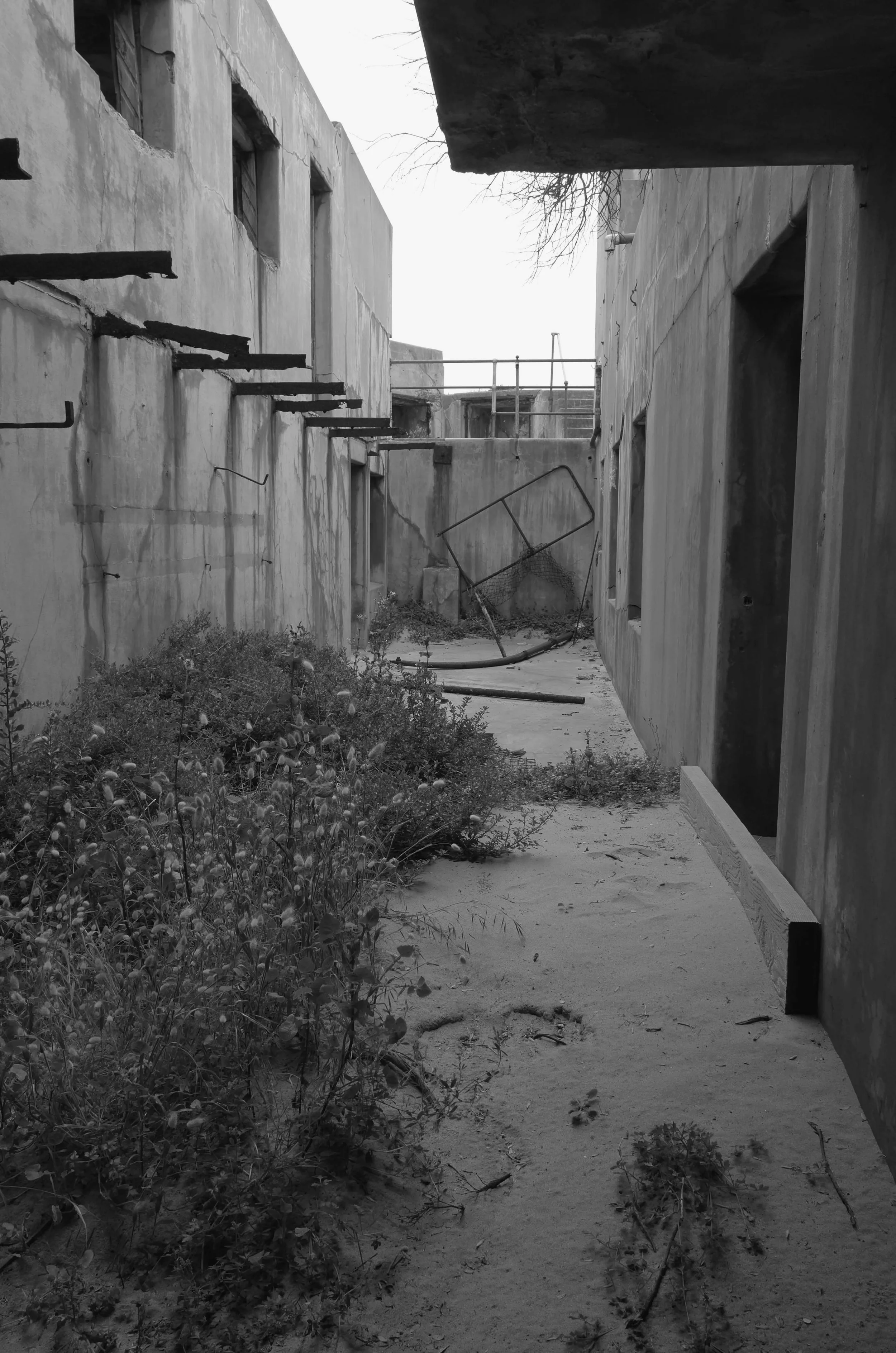
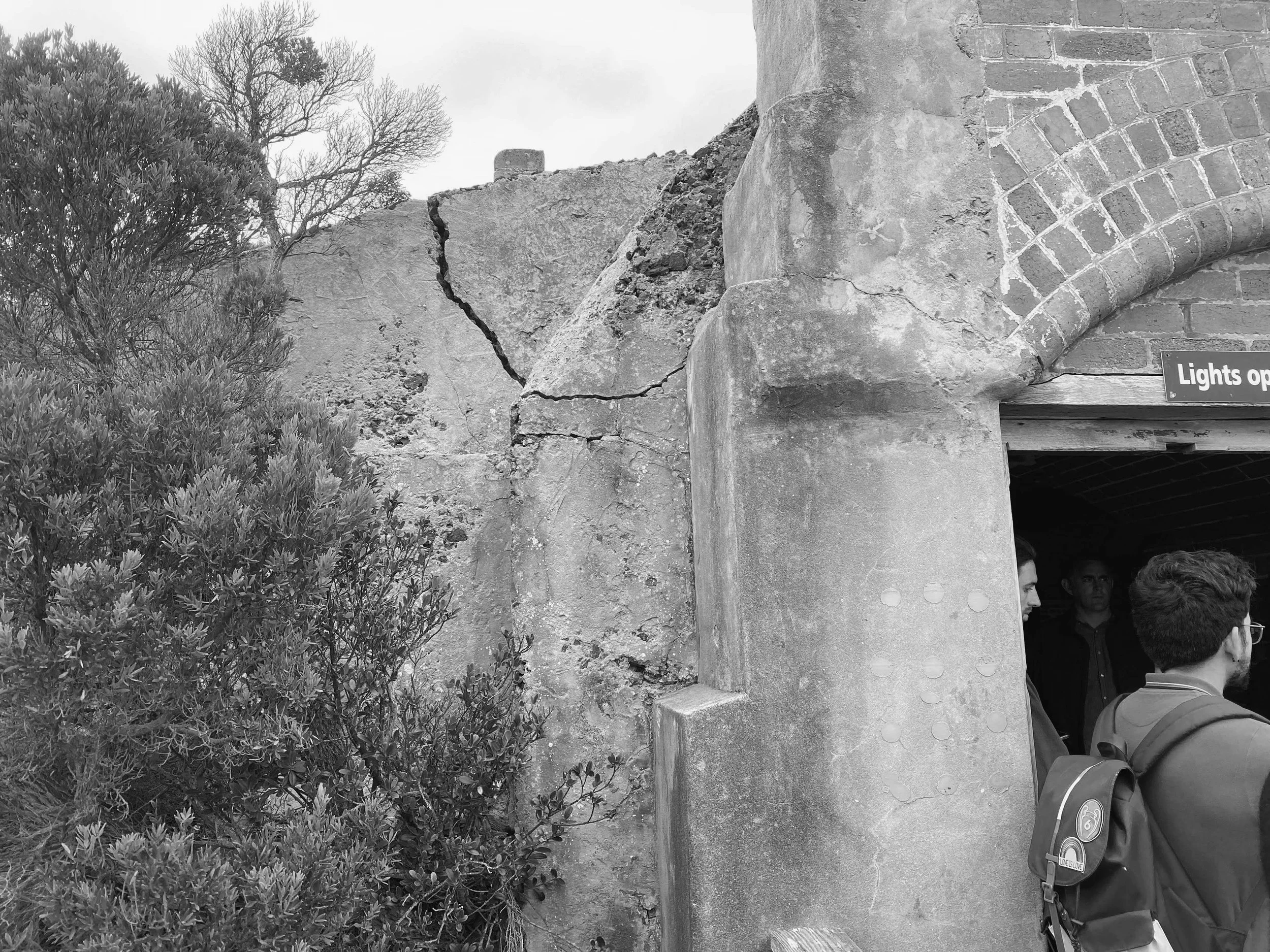
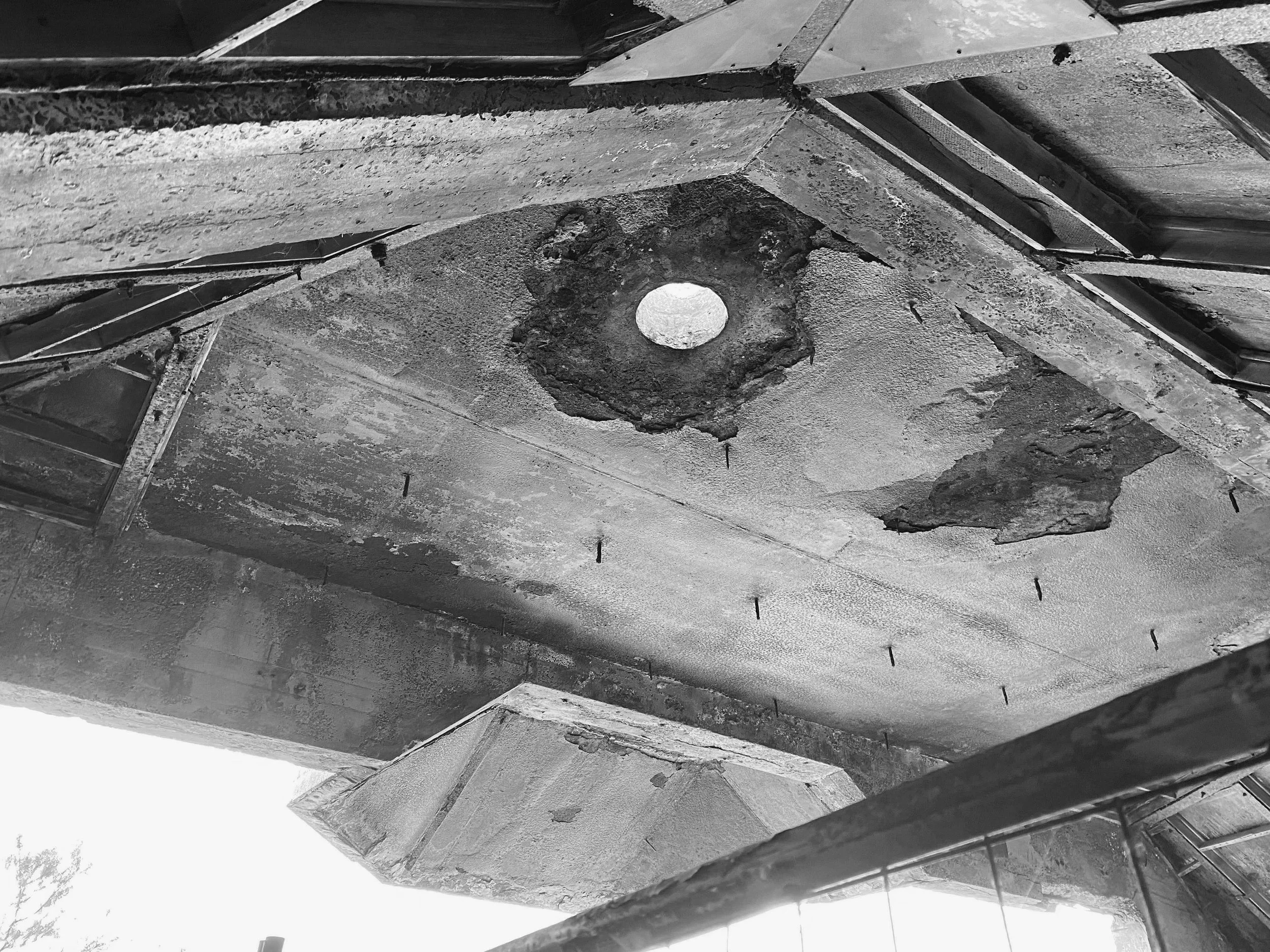
While the studio did not propose relocating modern-day quarantining back to the Peninsula, it questioned and proposed future uses for the largely abandoned buildings littered throughout the site.
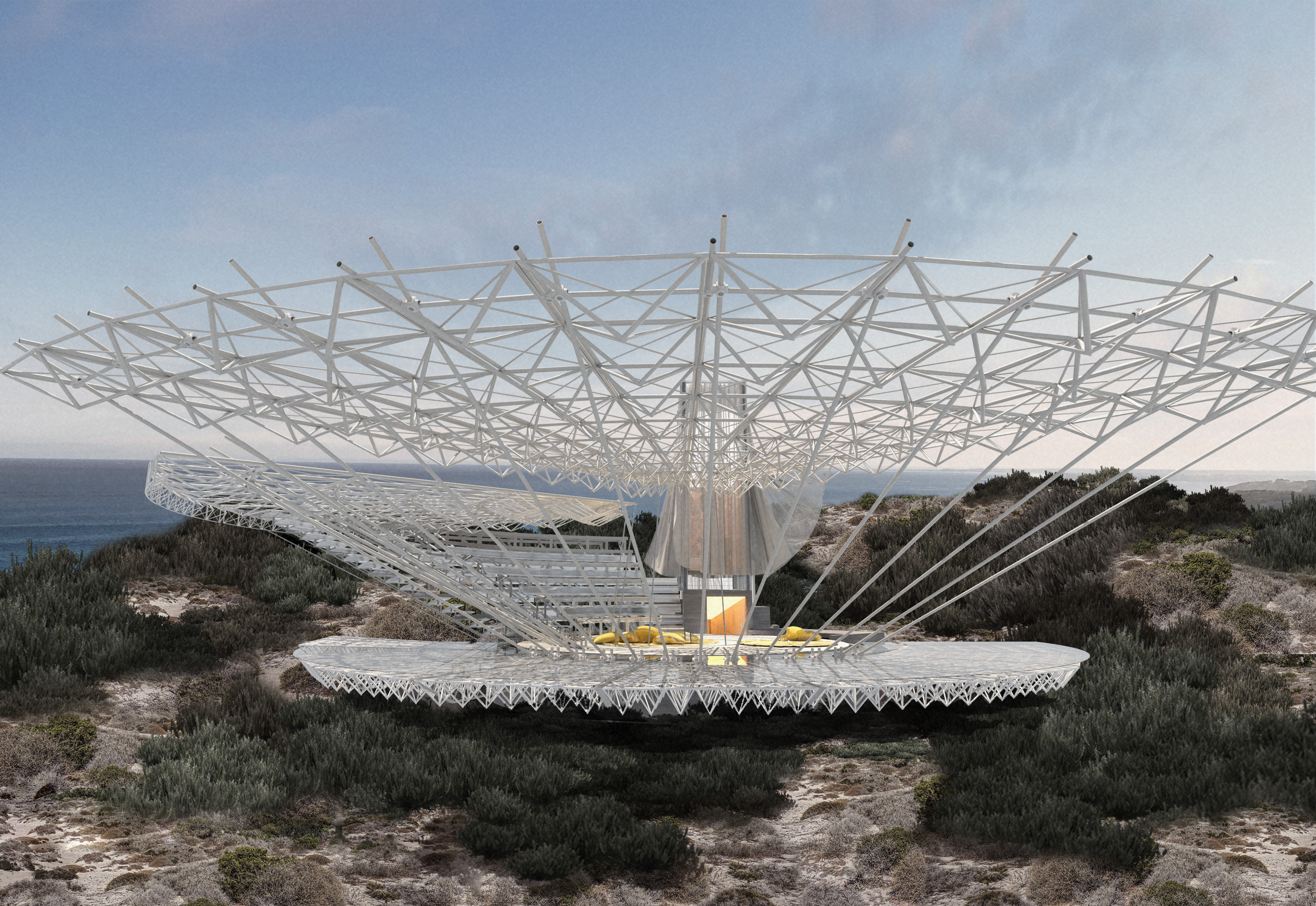
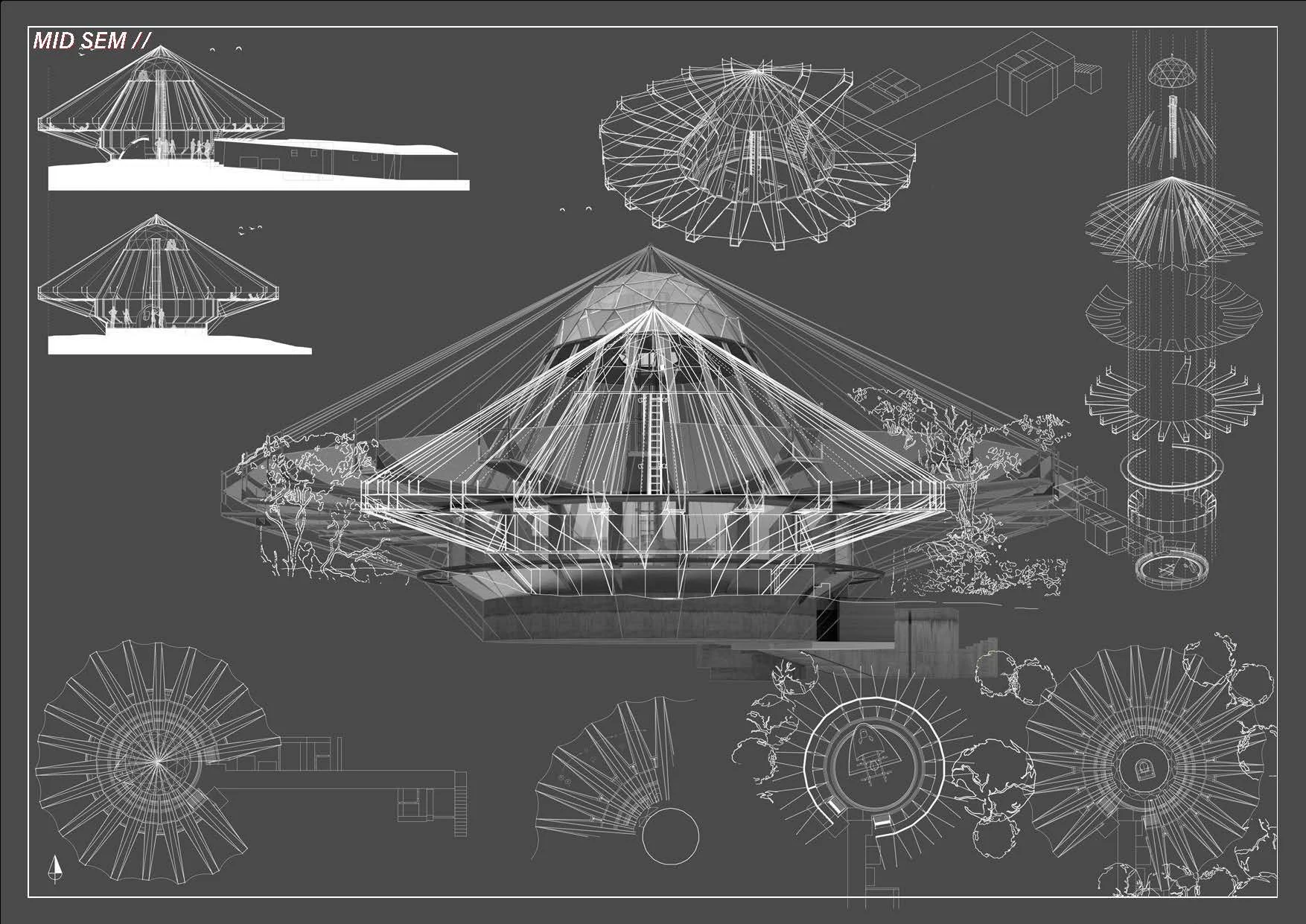
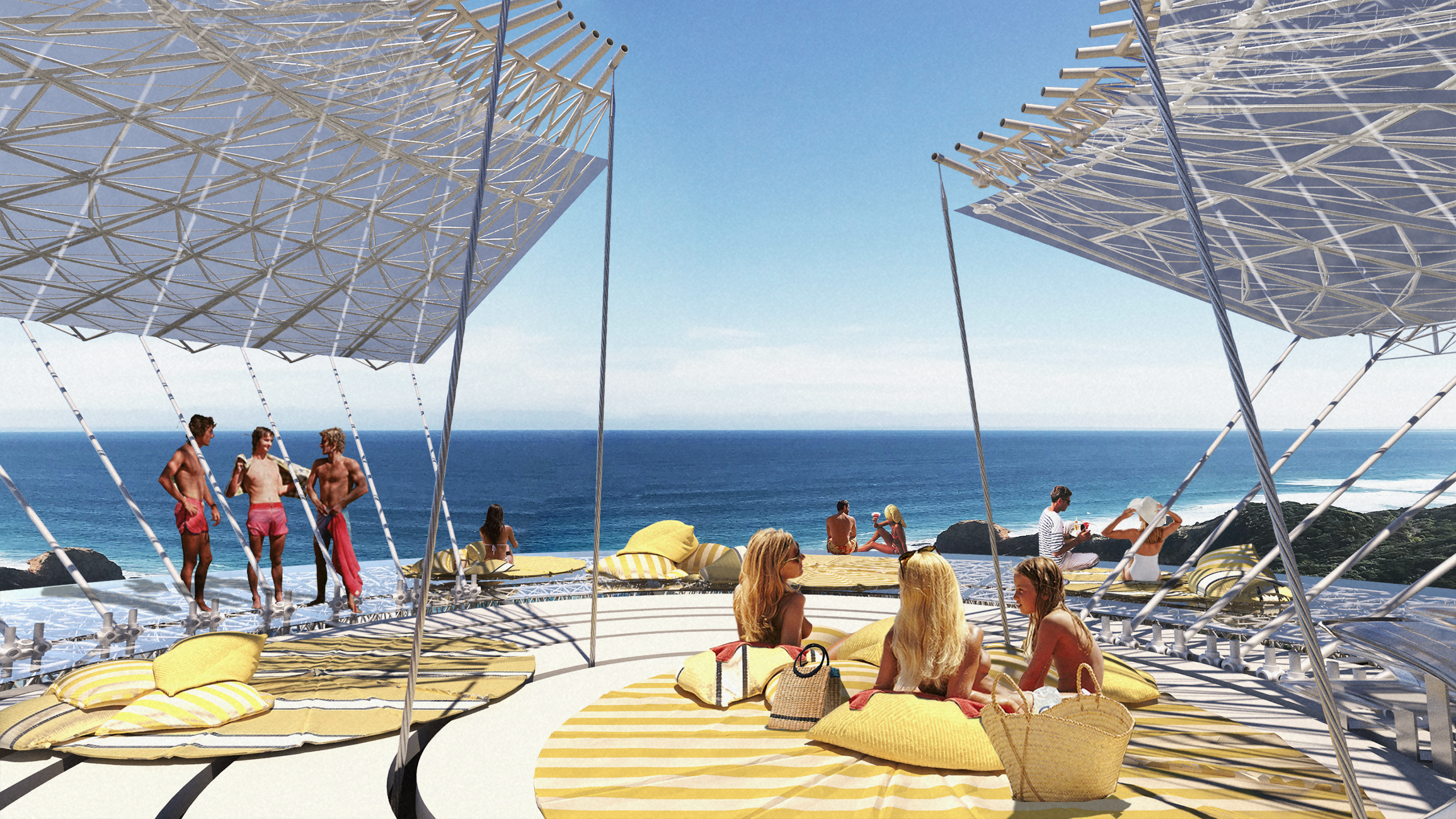
Given Melbourne’s history of extended lockdowns, QUARANTINE STUDIO speculated on the rebirth of regionalism by proposing new local tourism activations. The studio investigated the land, buildings, and structures in and around Melbourne’s original sanatorium, proposing new uses for the previously underutilized public land, landscape, and infrastructure.
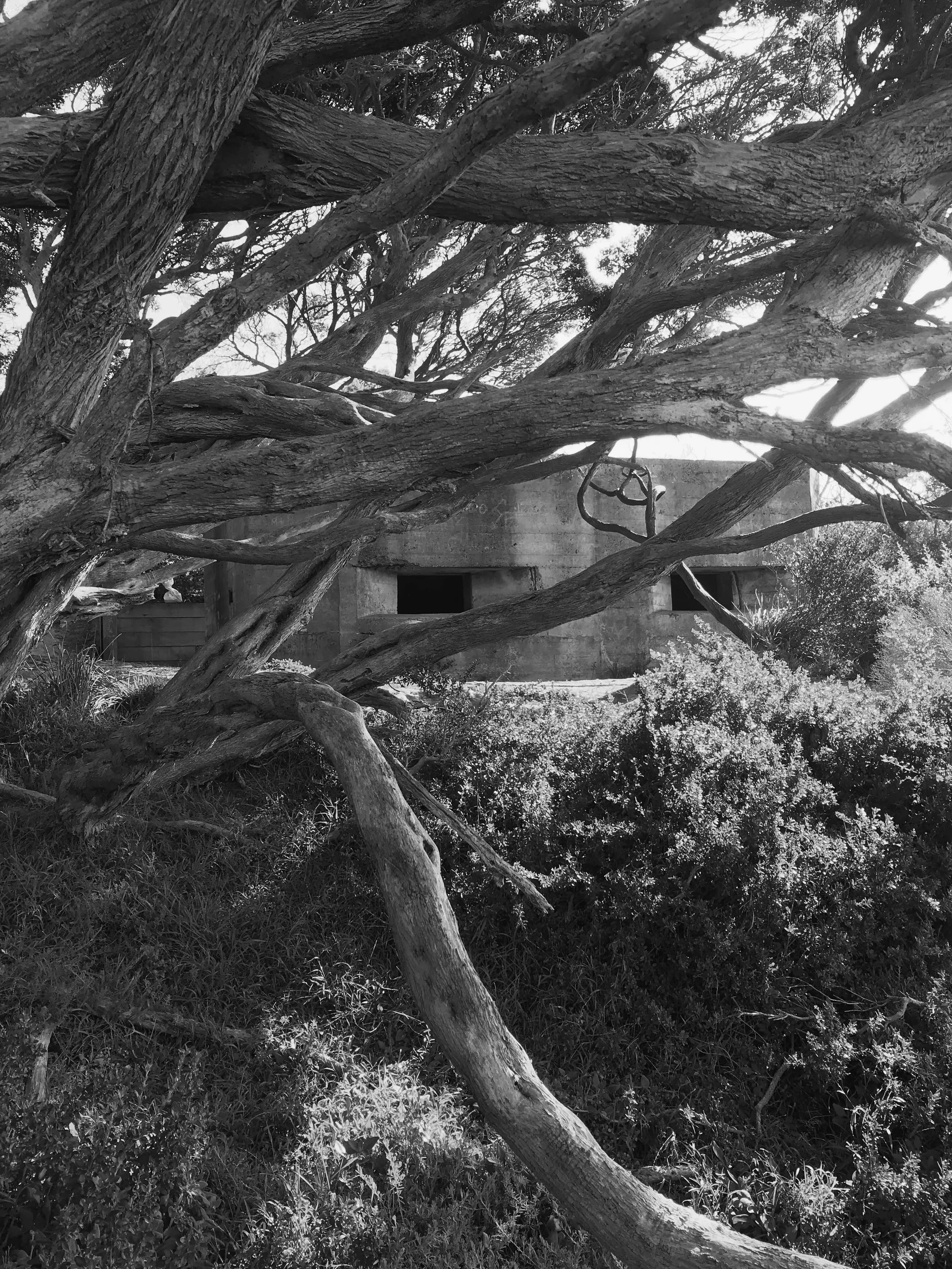
The Point Nepean National Park remained closed to the general public for years, and its long period of isolation resulted in the preservation and regeneration of a dramatic landscape.
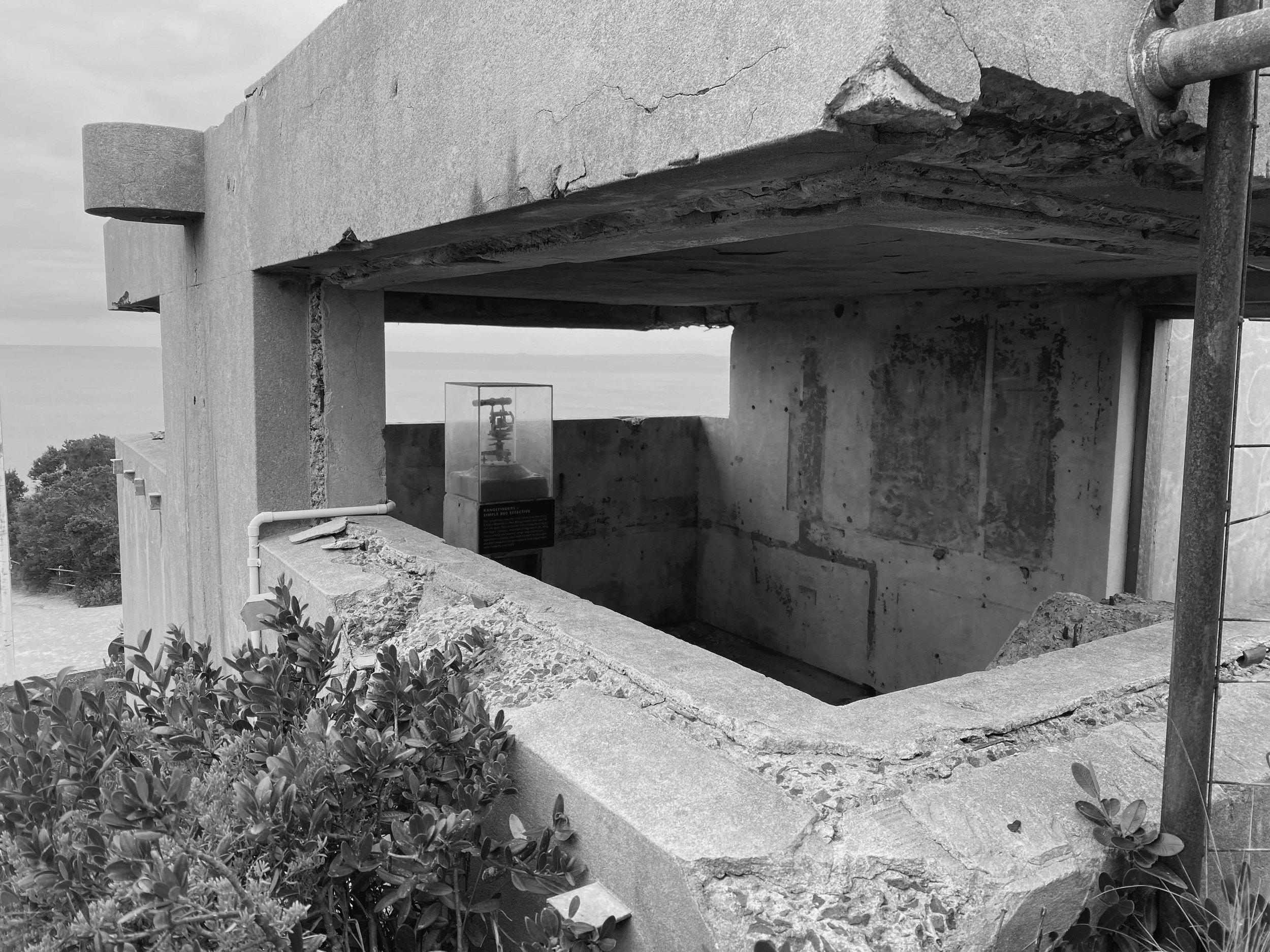
Students researched the site’s history, ranging from Bunurong times and the sanatorium years—where ships plagued by illness were quarantined—to the construction of defense systems during the Gold Rush and the first shot of the First World War.
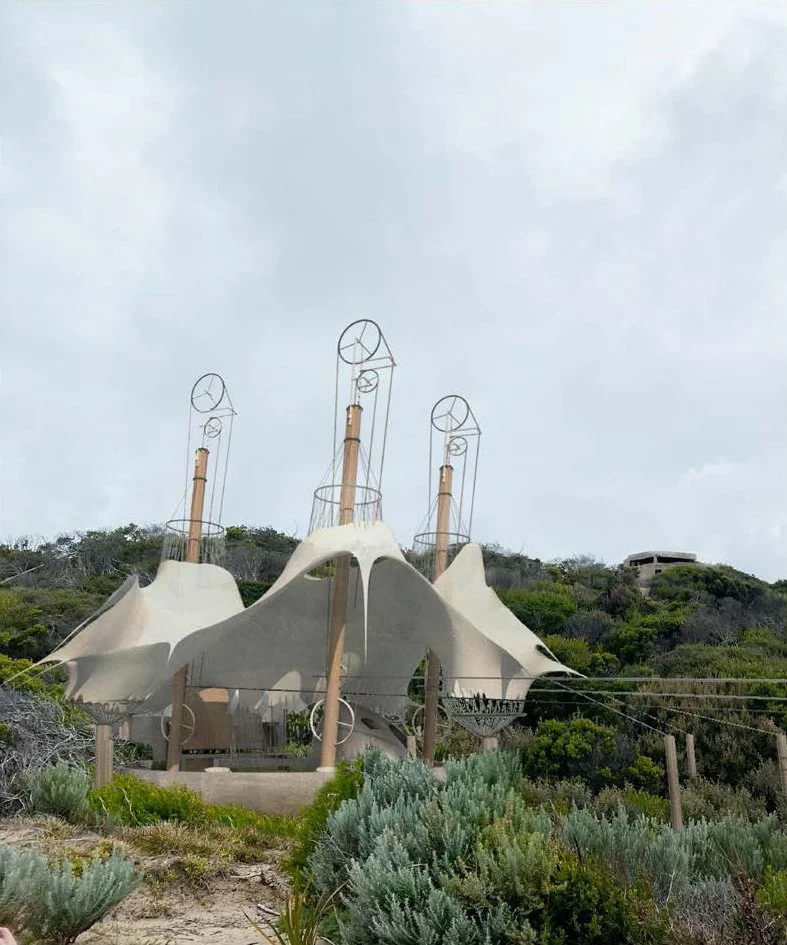
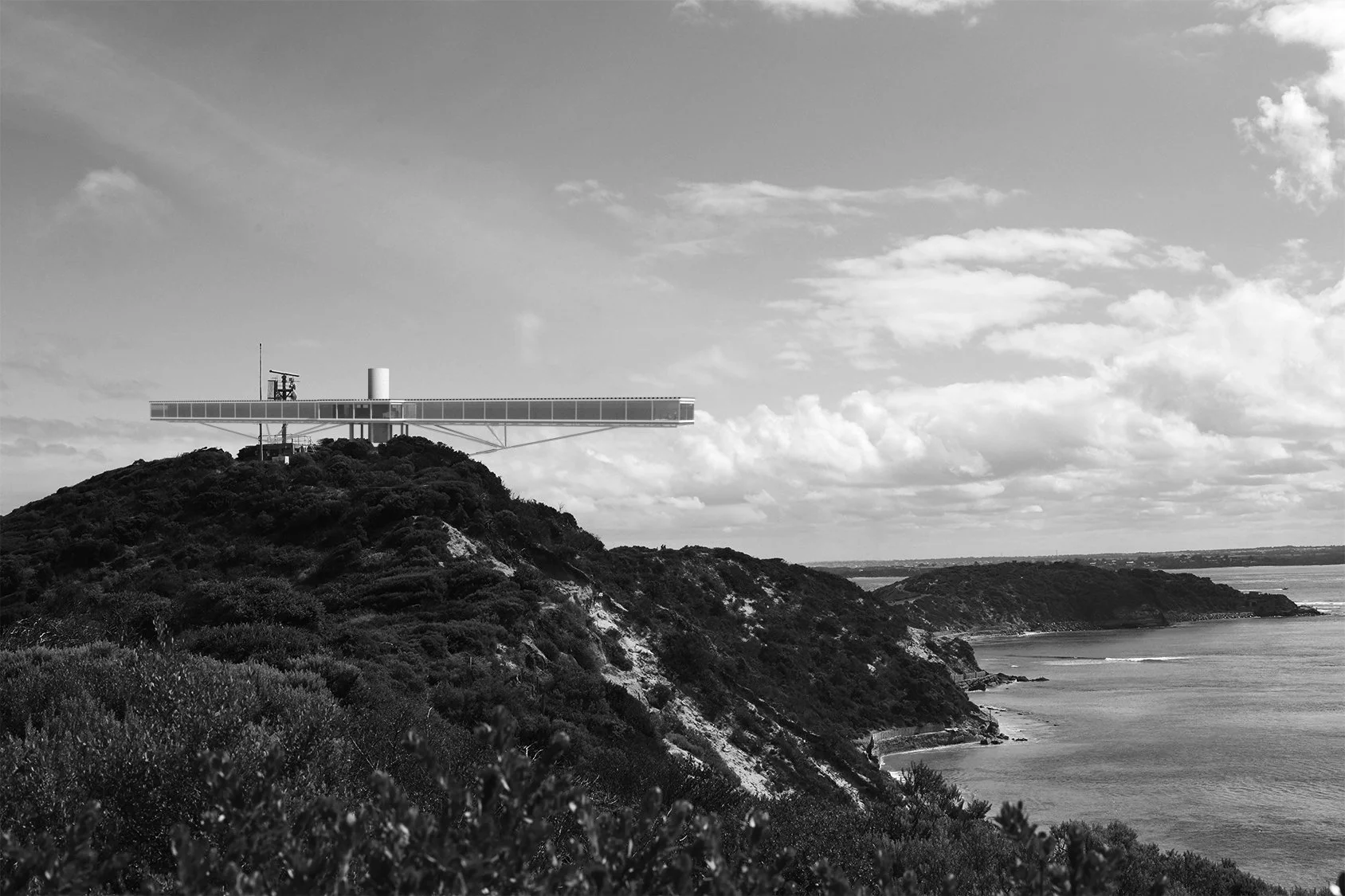
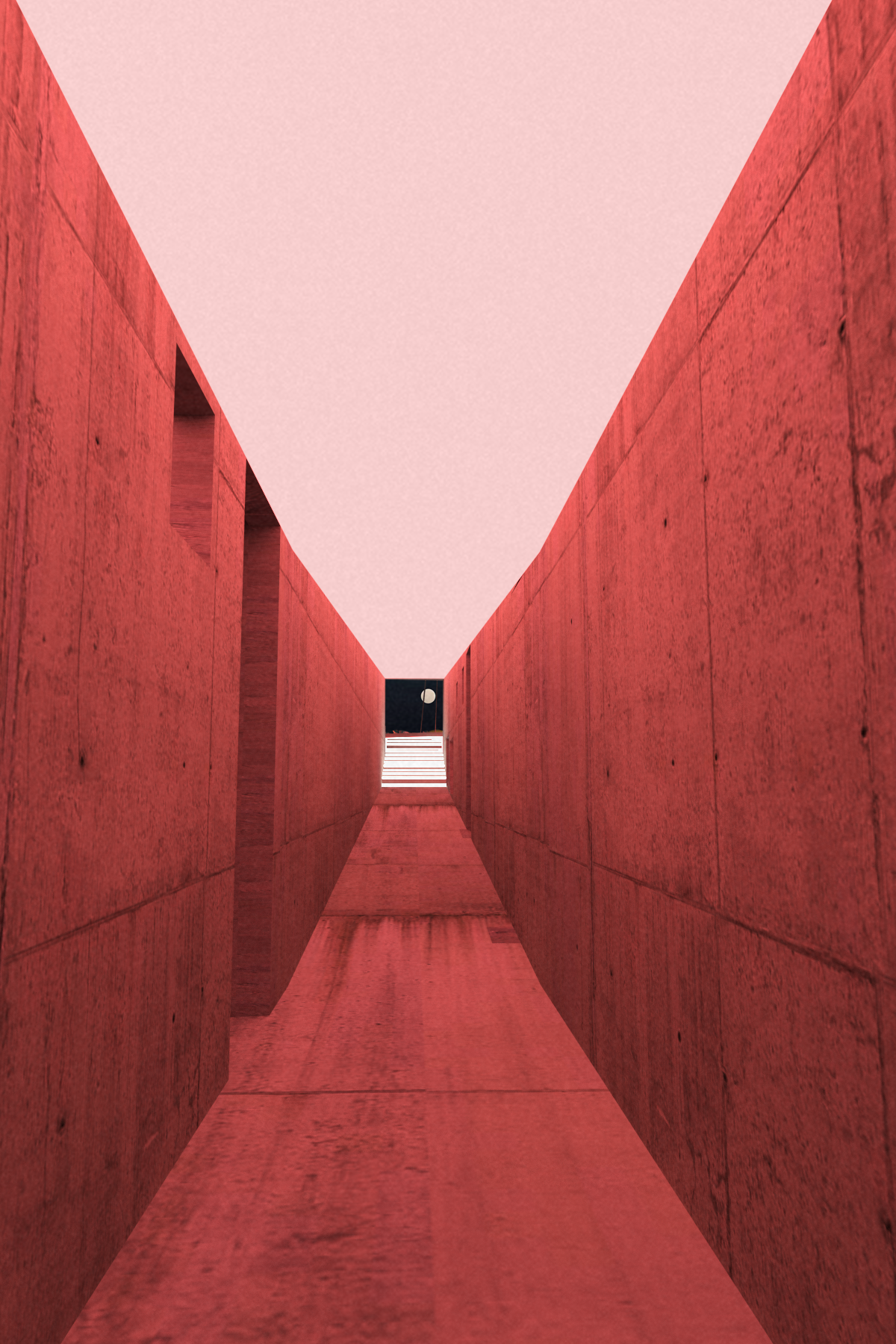
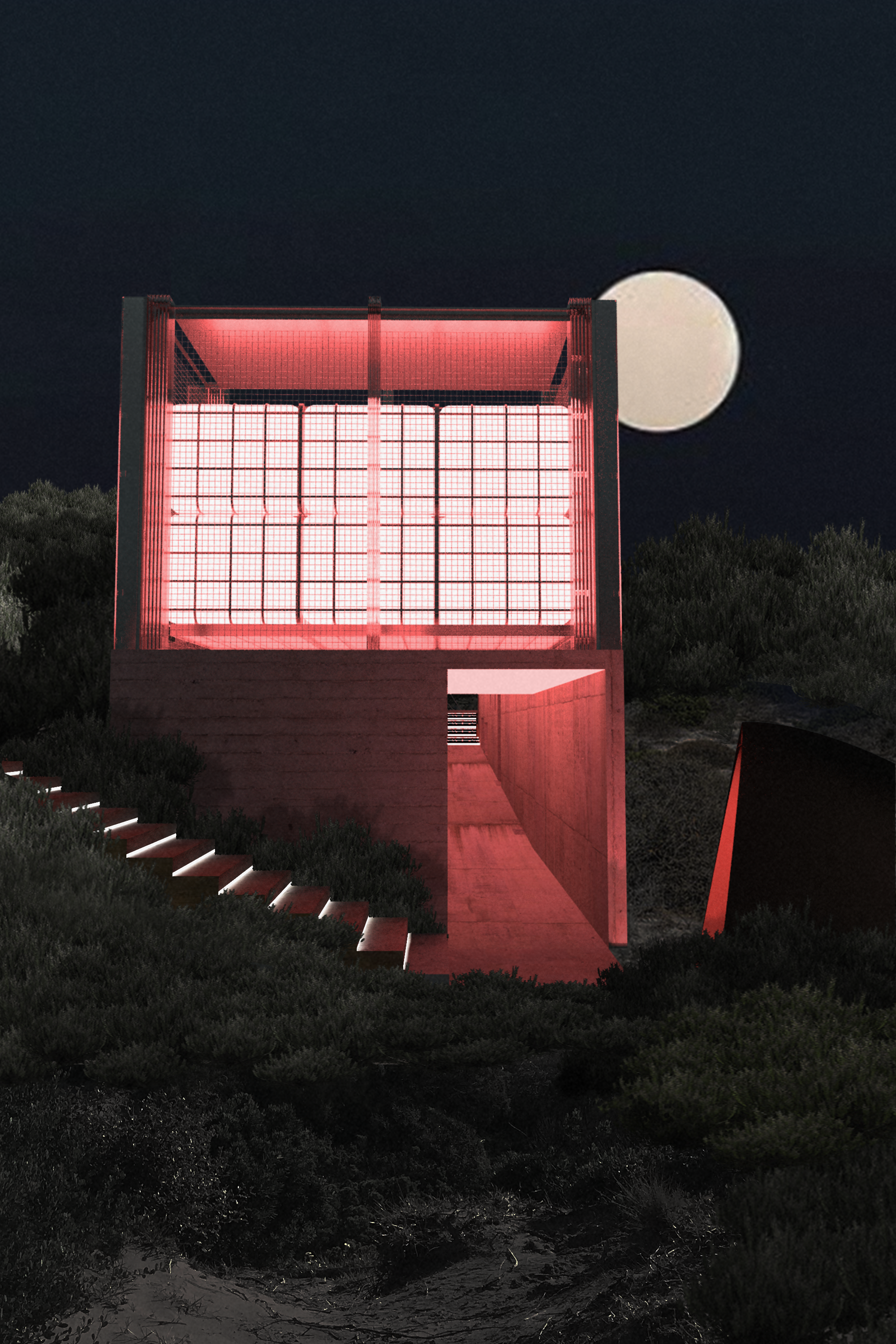
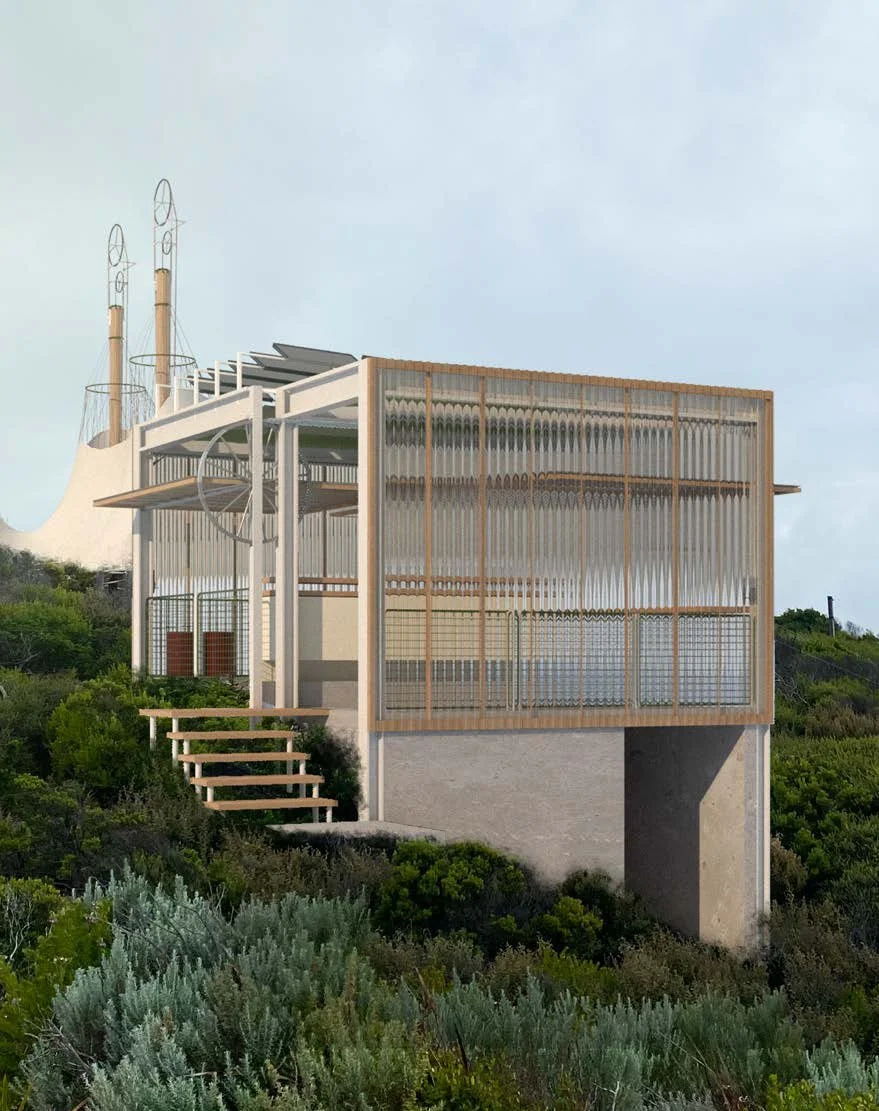
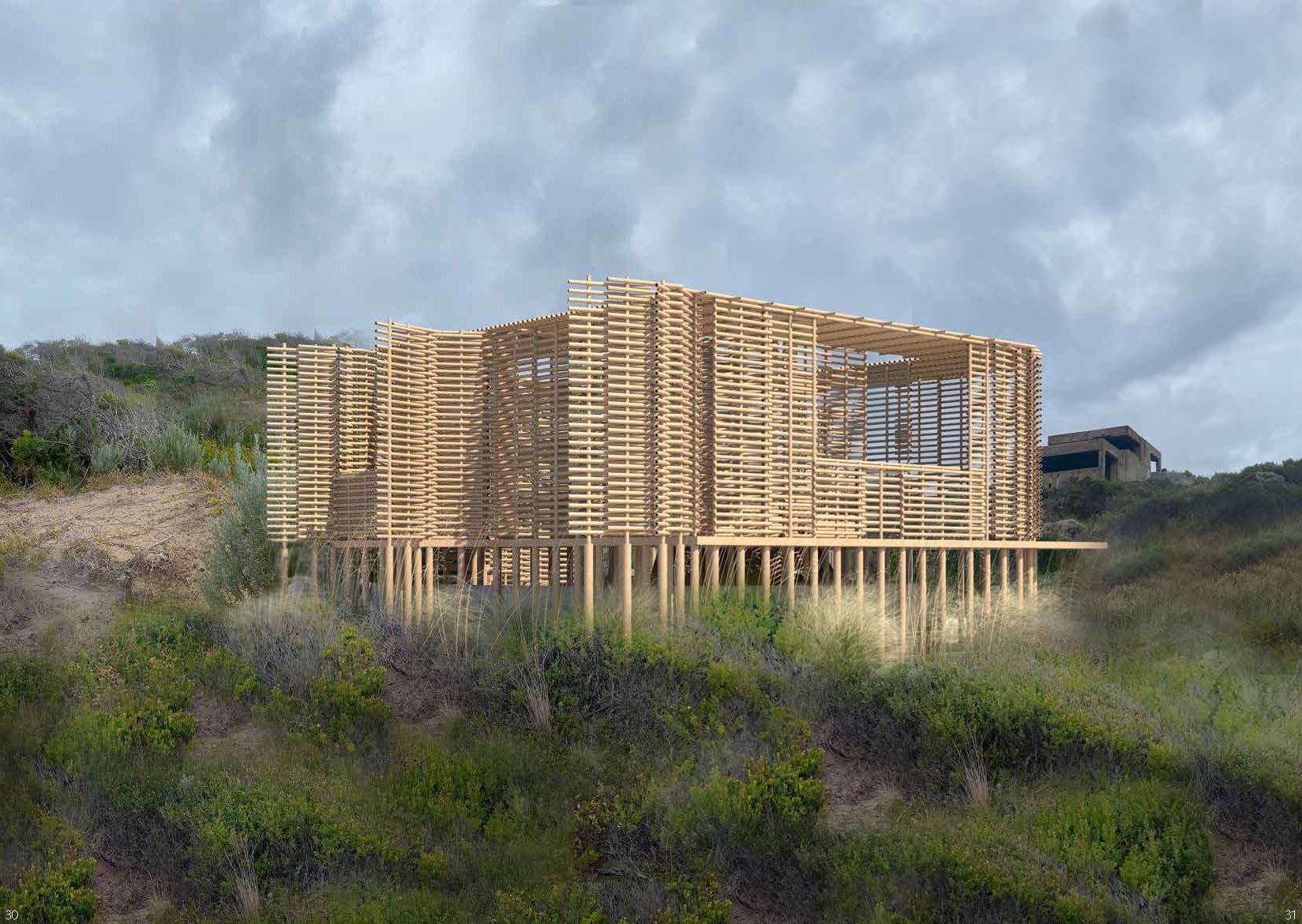
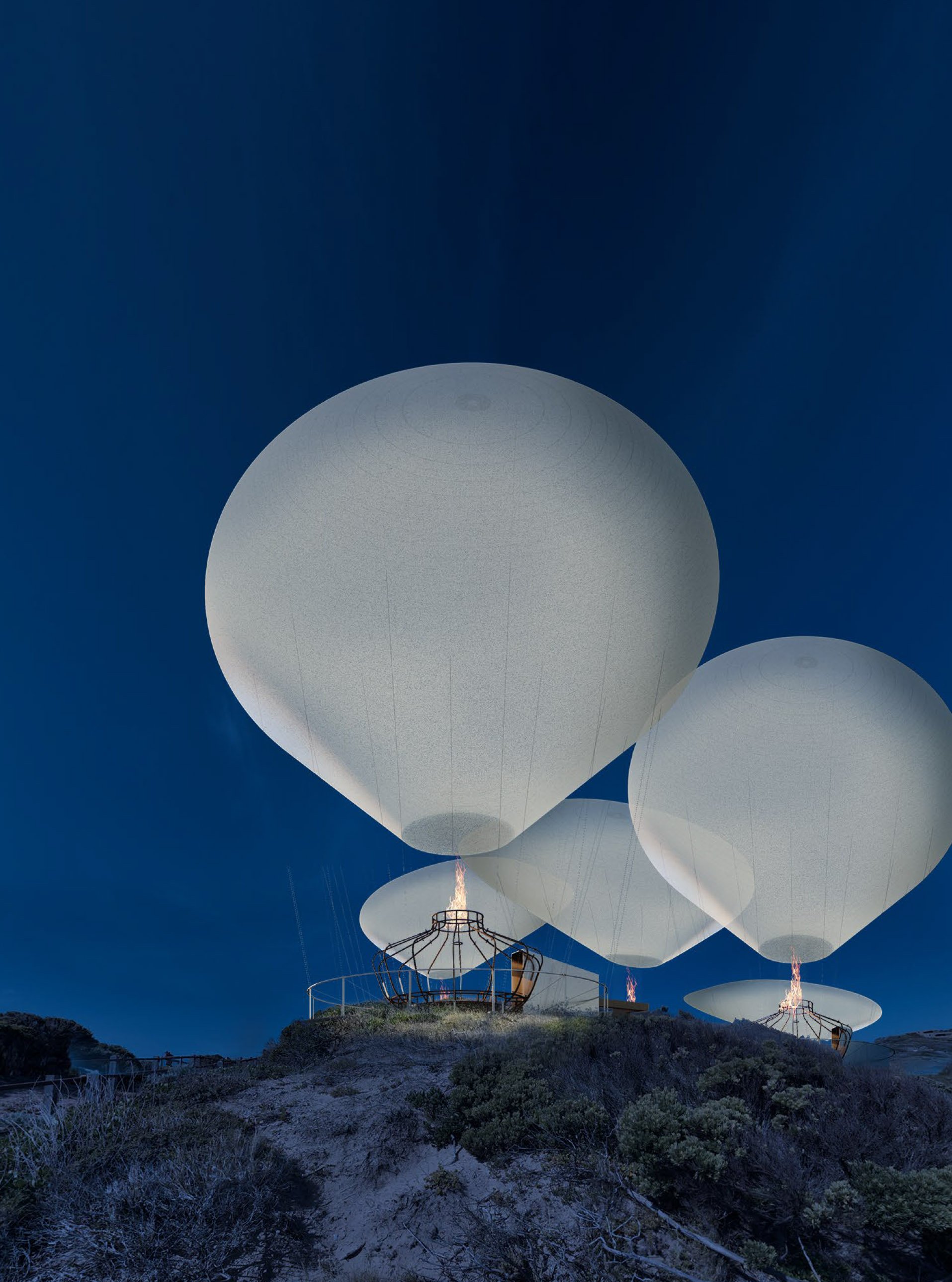
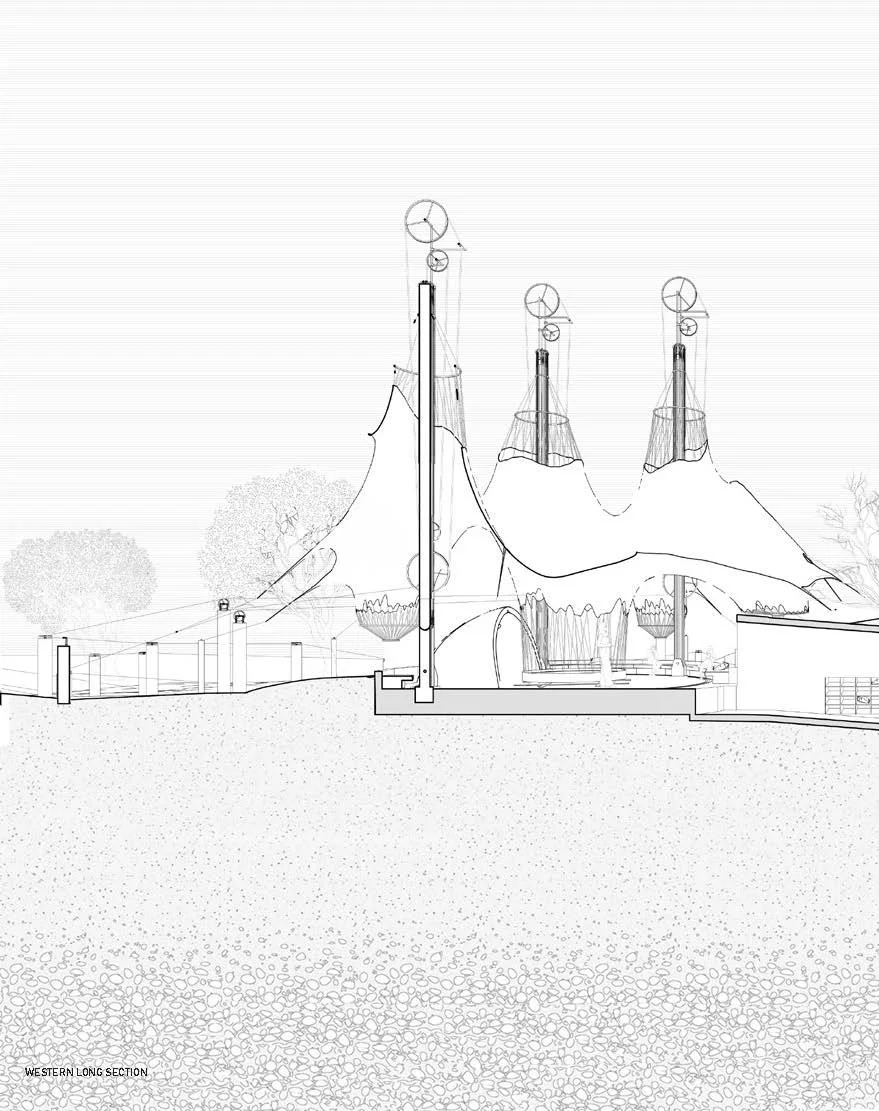
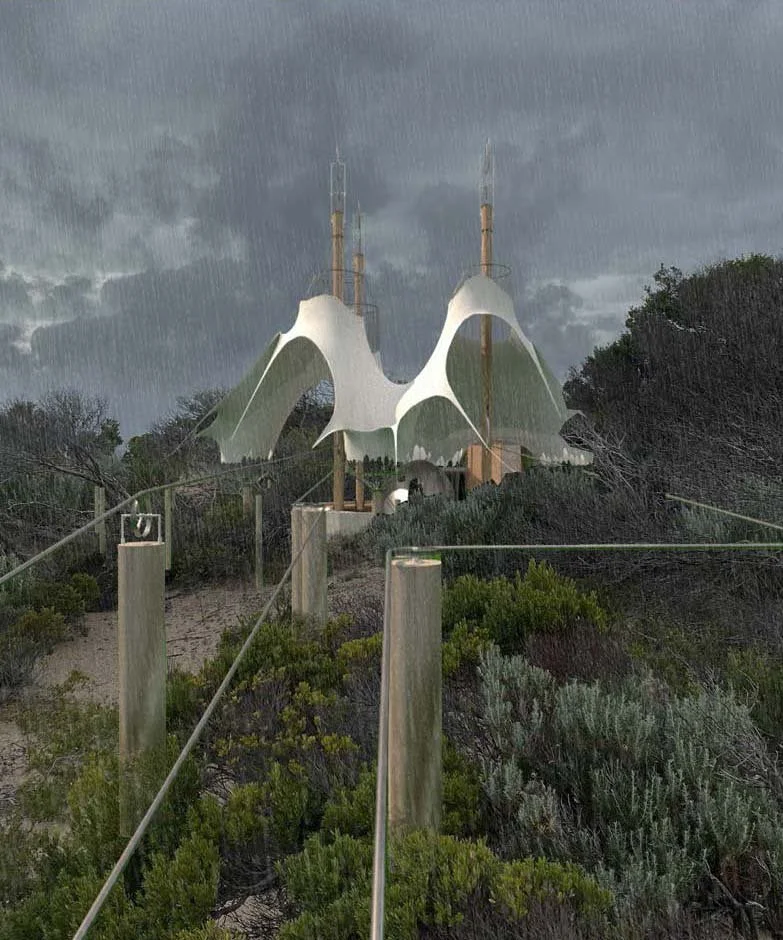
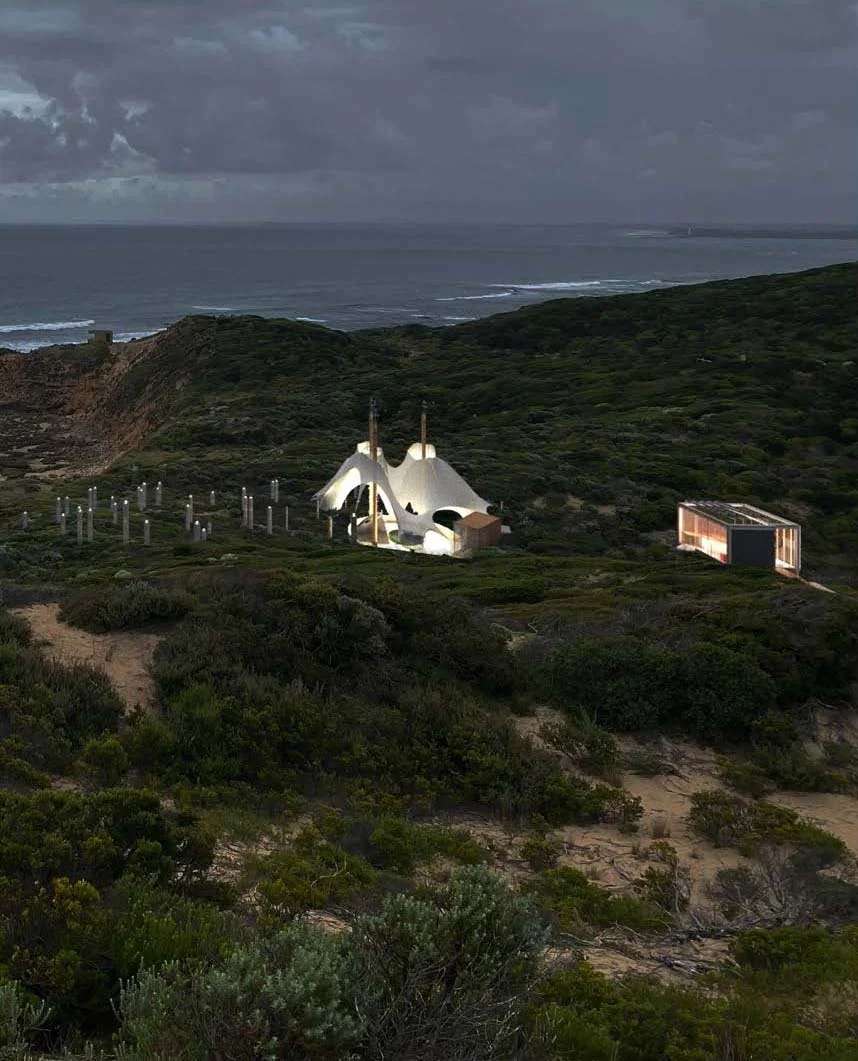
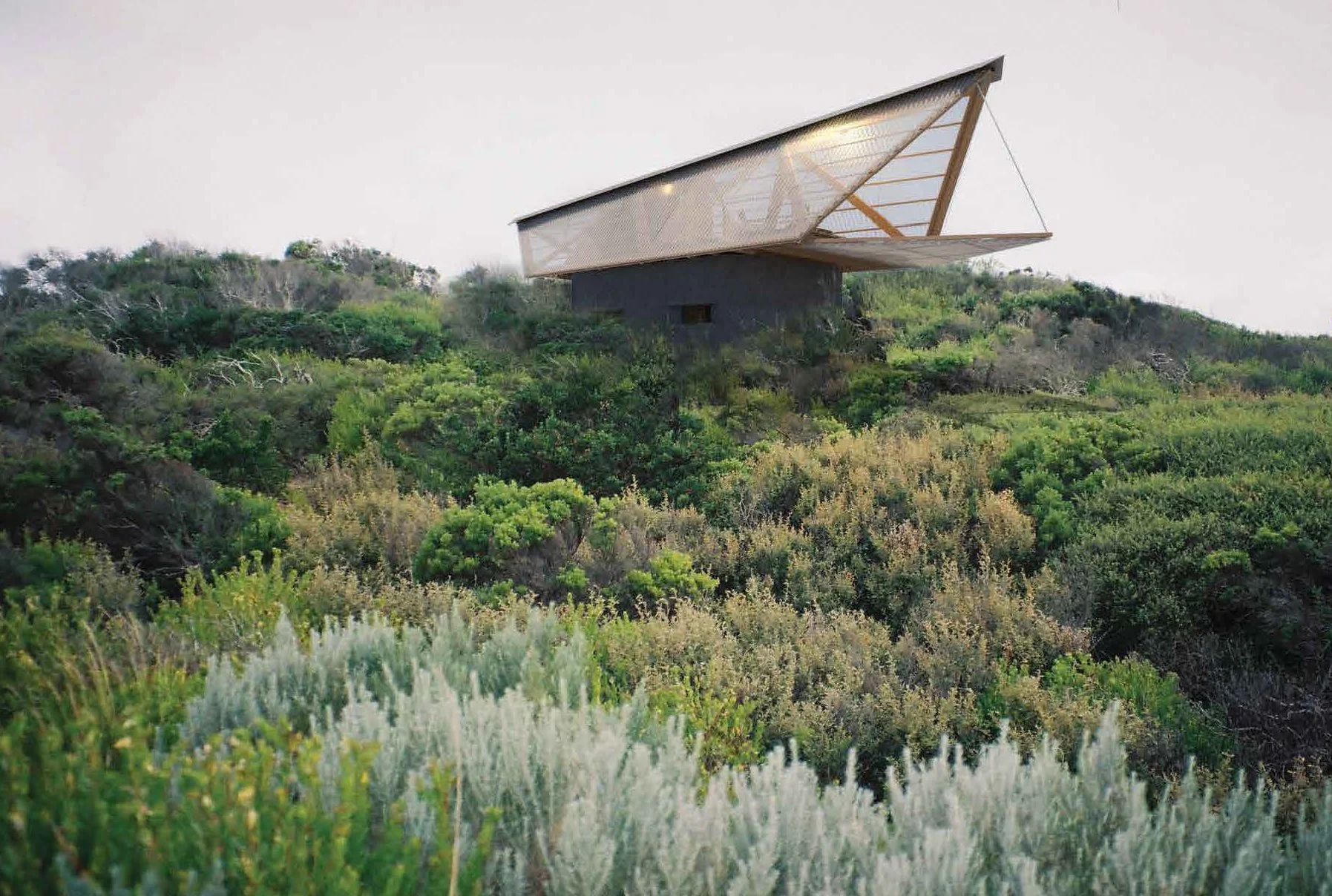
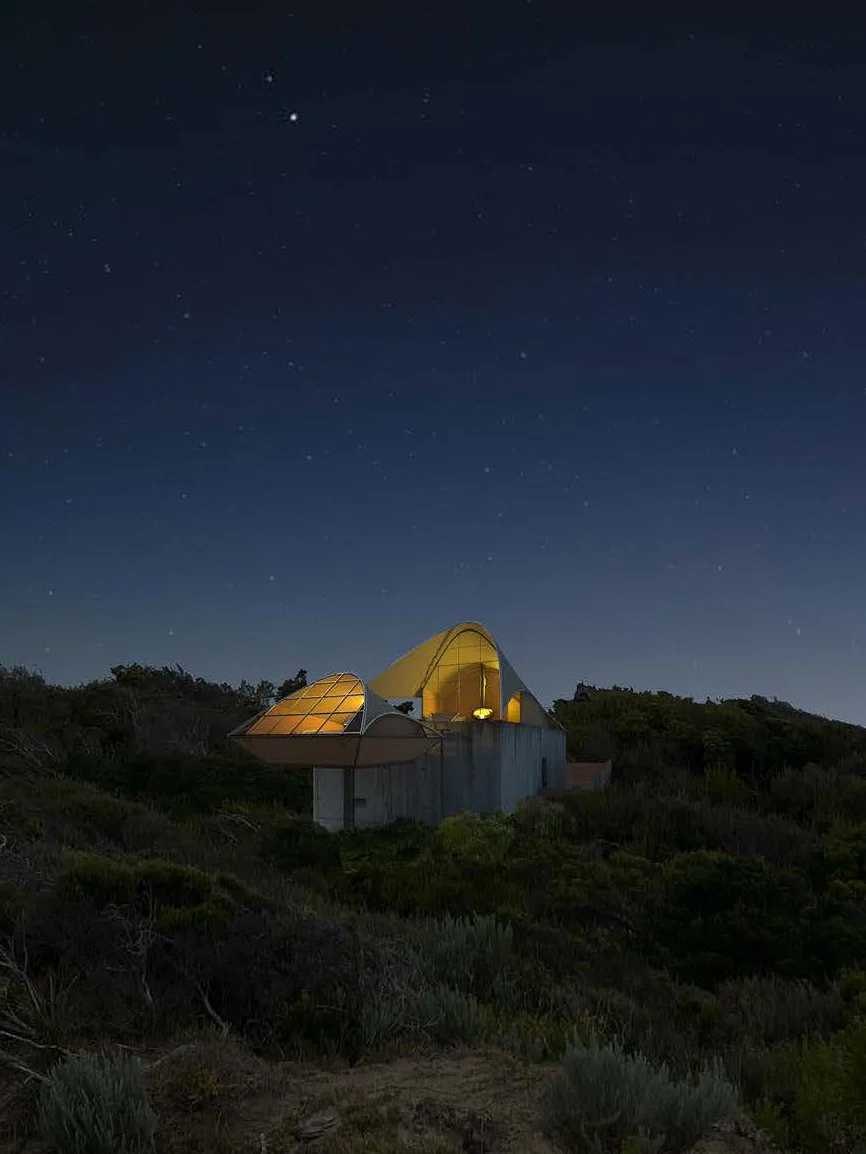
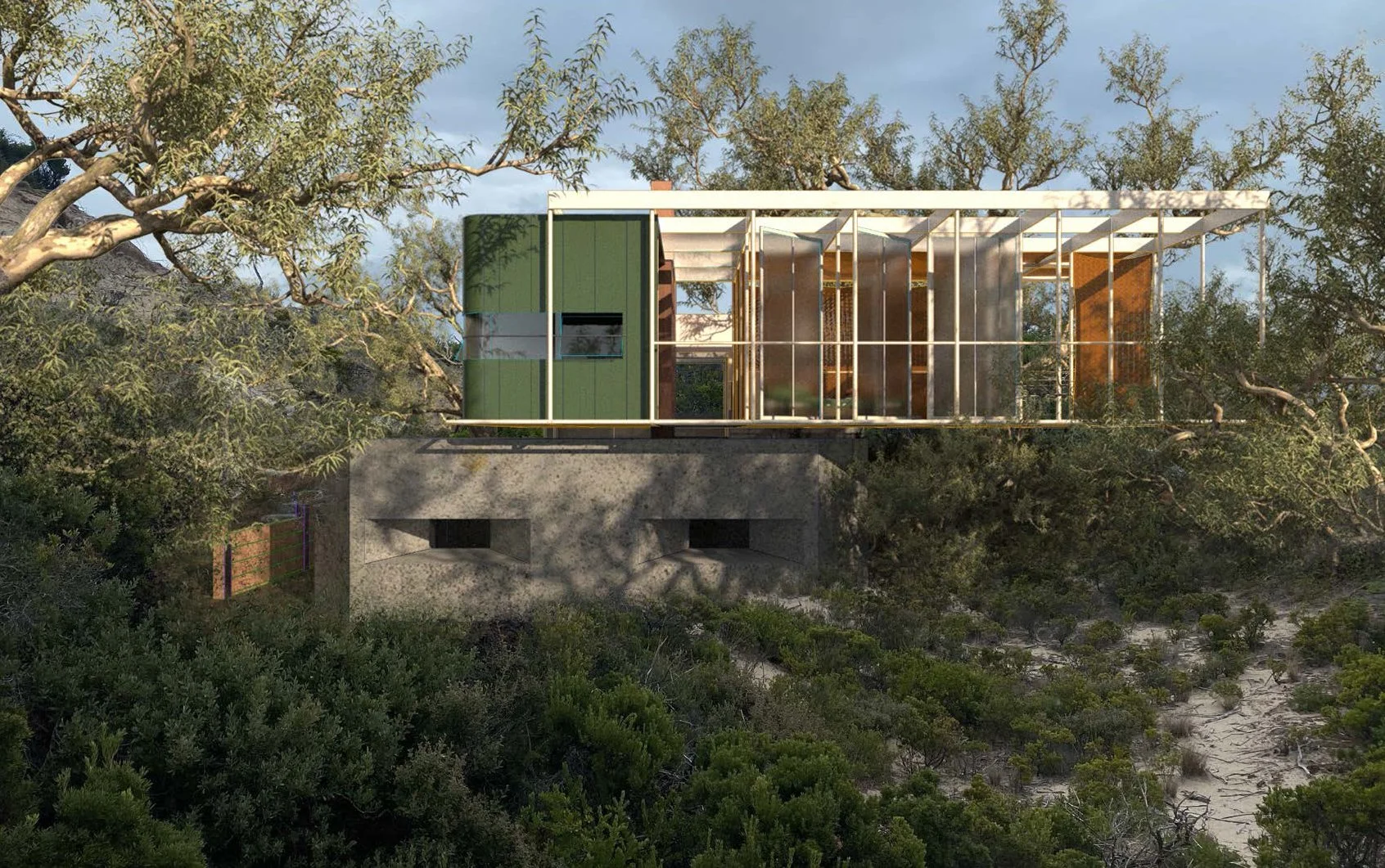
Stories of diseased early settlers, a litany of shipwrecks, and the drowning of Australia’s 17th Prime Minister, Harold Holt, were unpacked, researched, mapped, and recorded to uncover programmatic opportunities and inform proposals for the land and its existing structures.
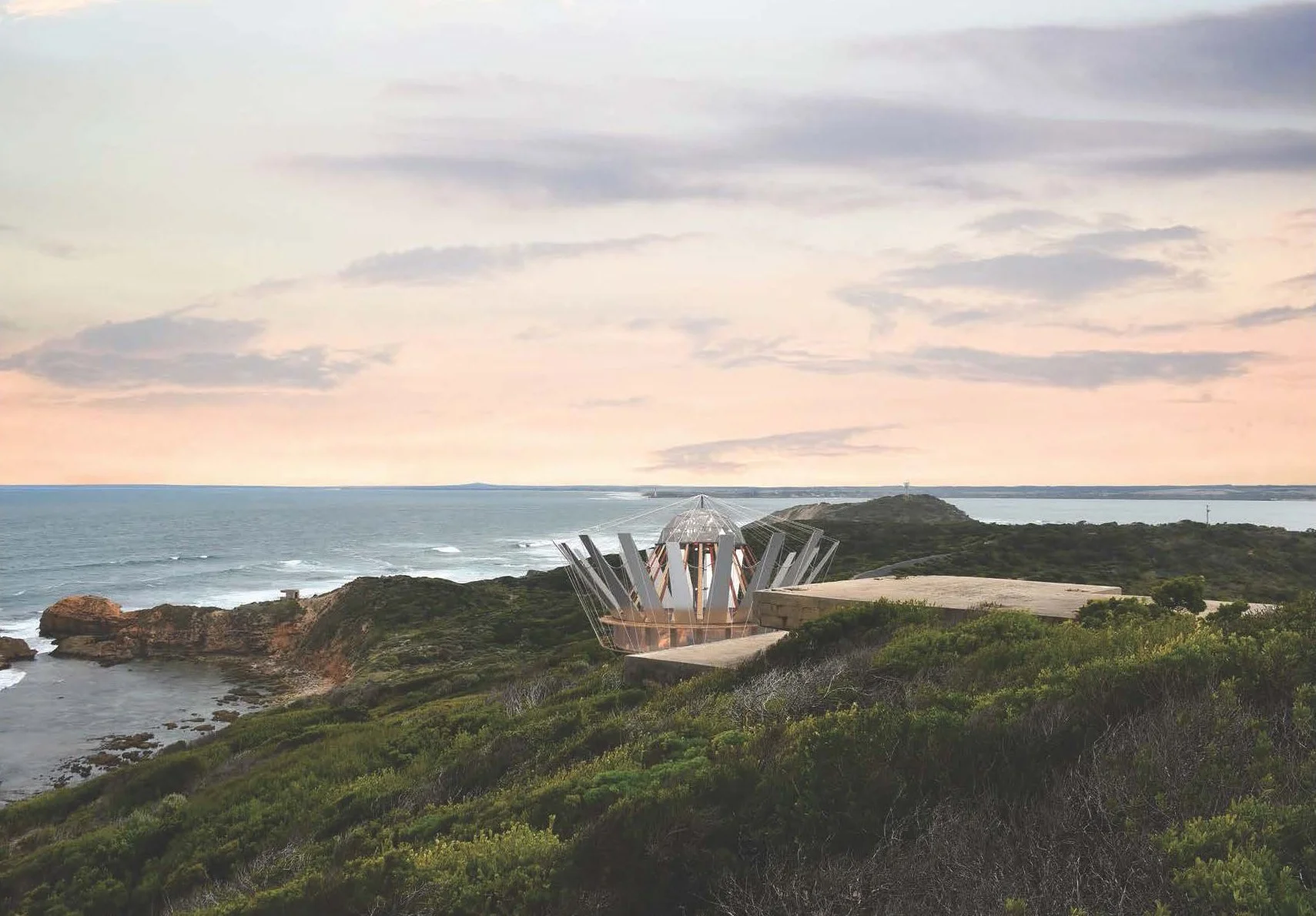
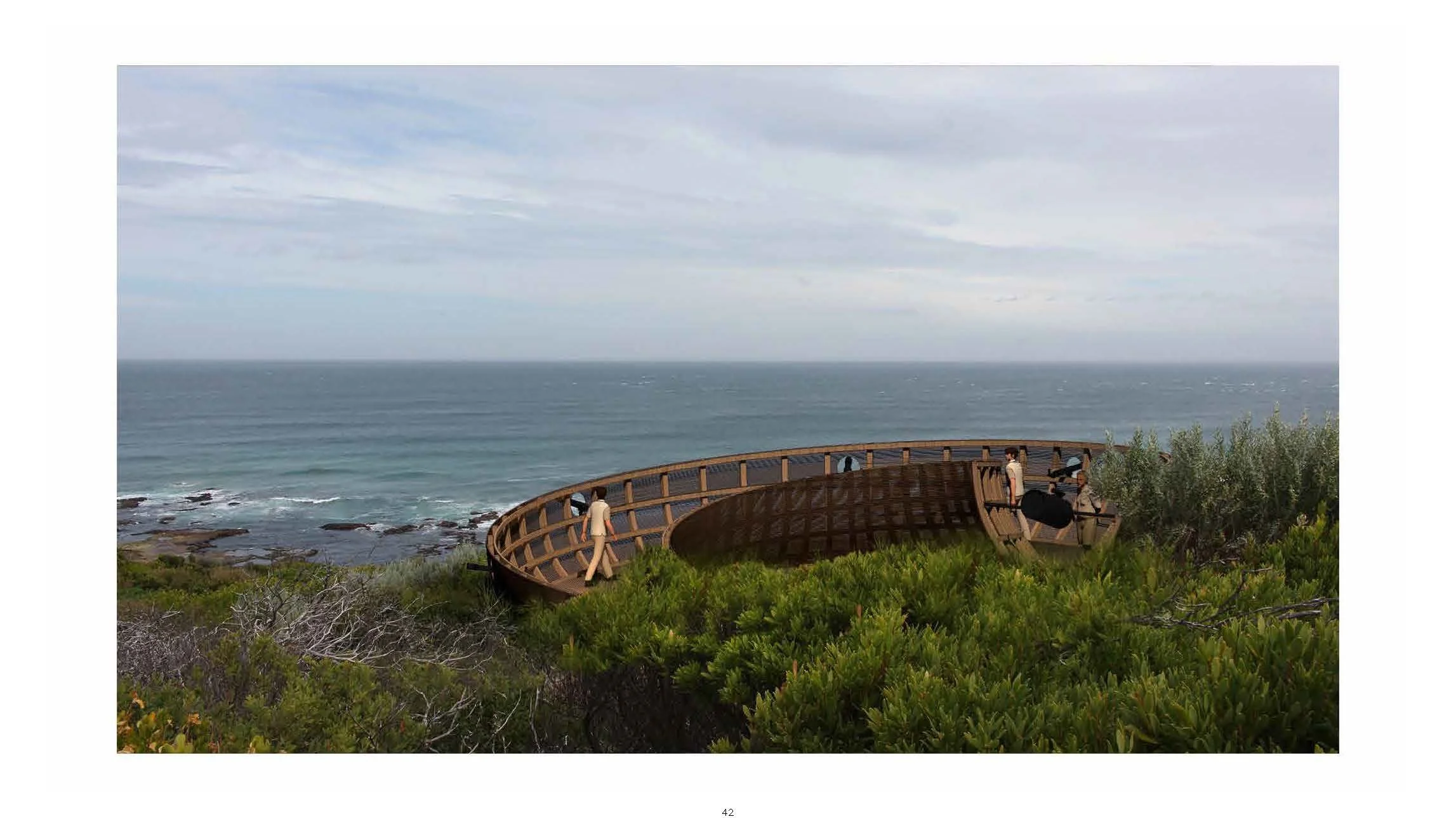
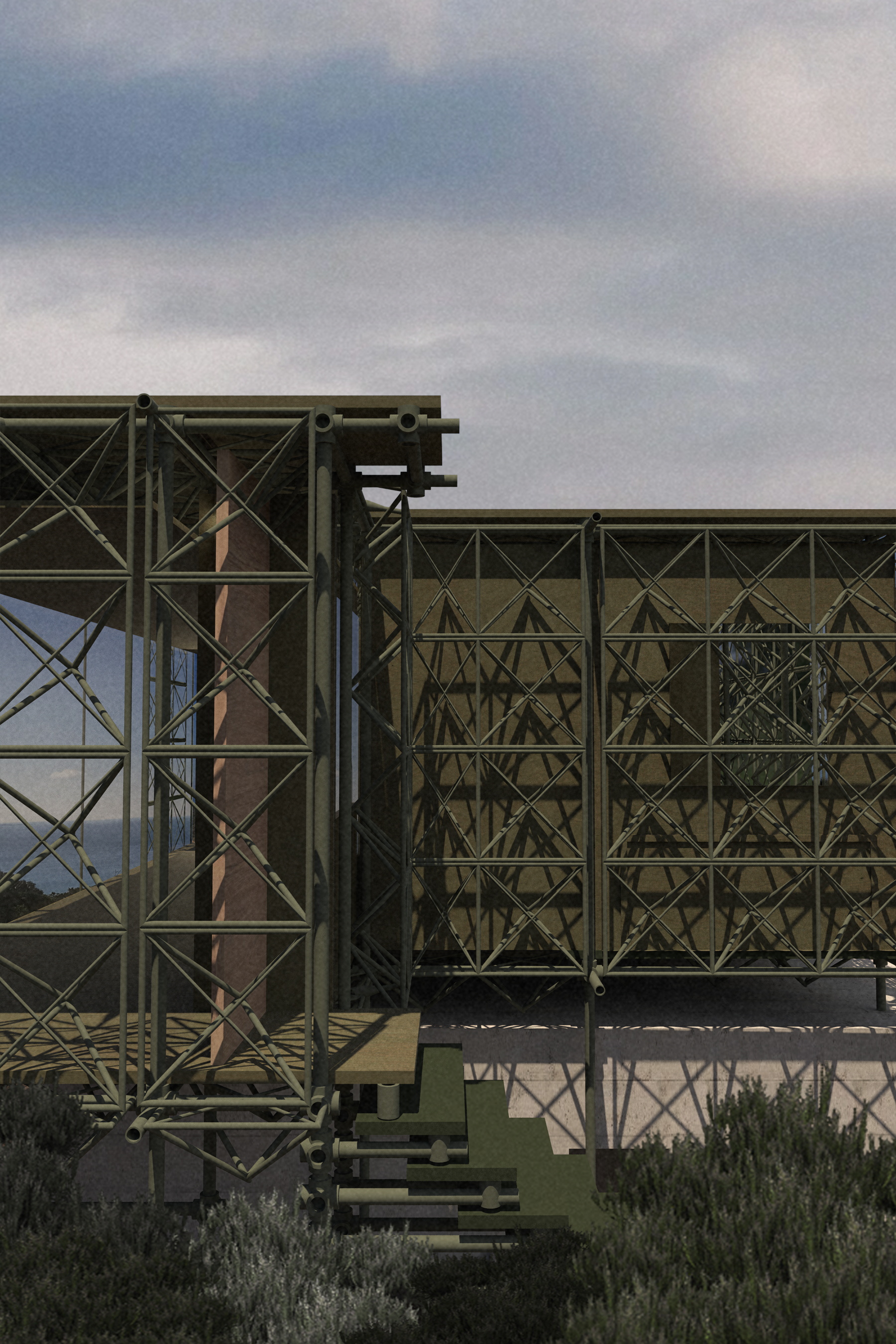
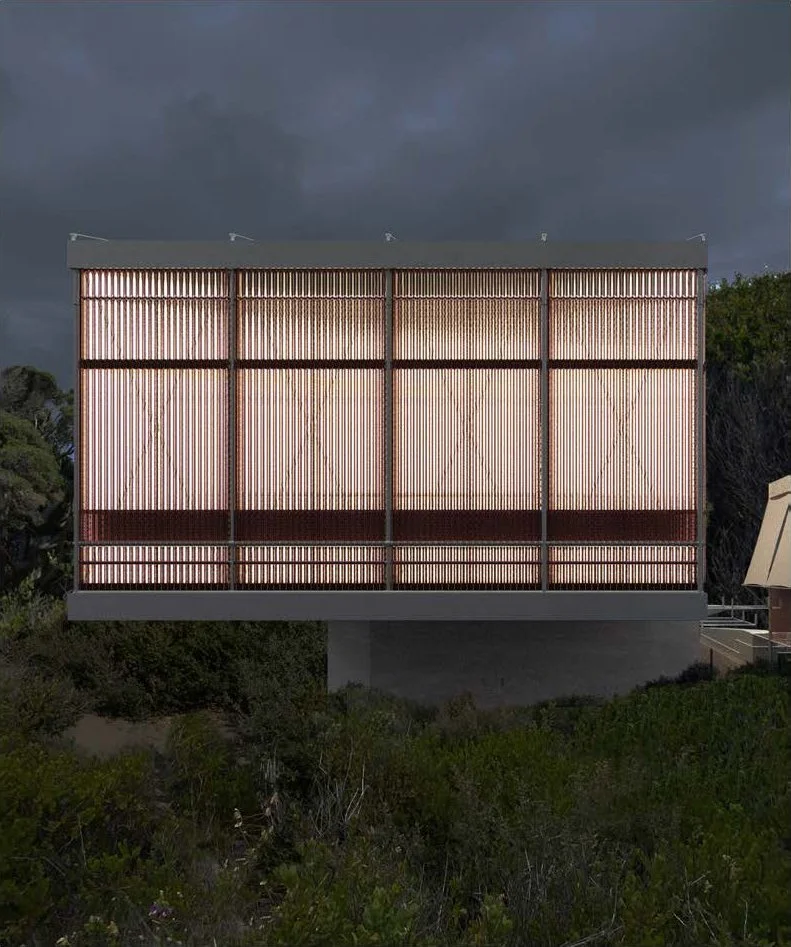
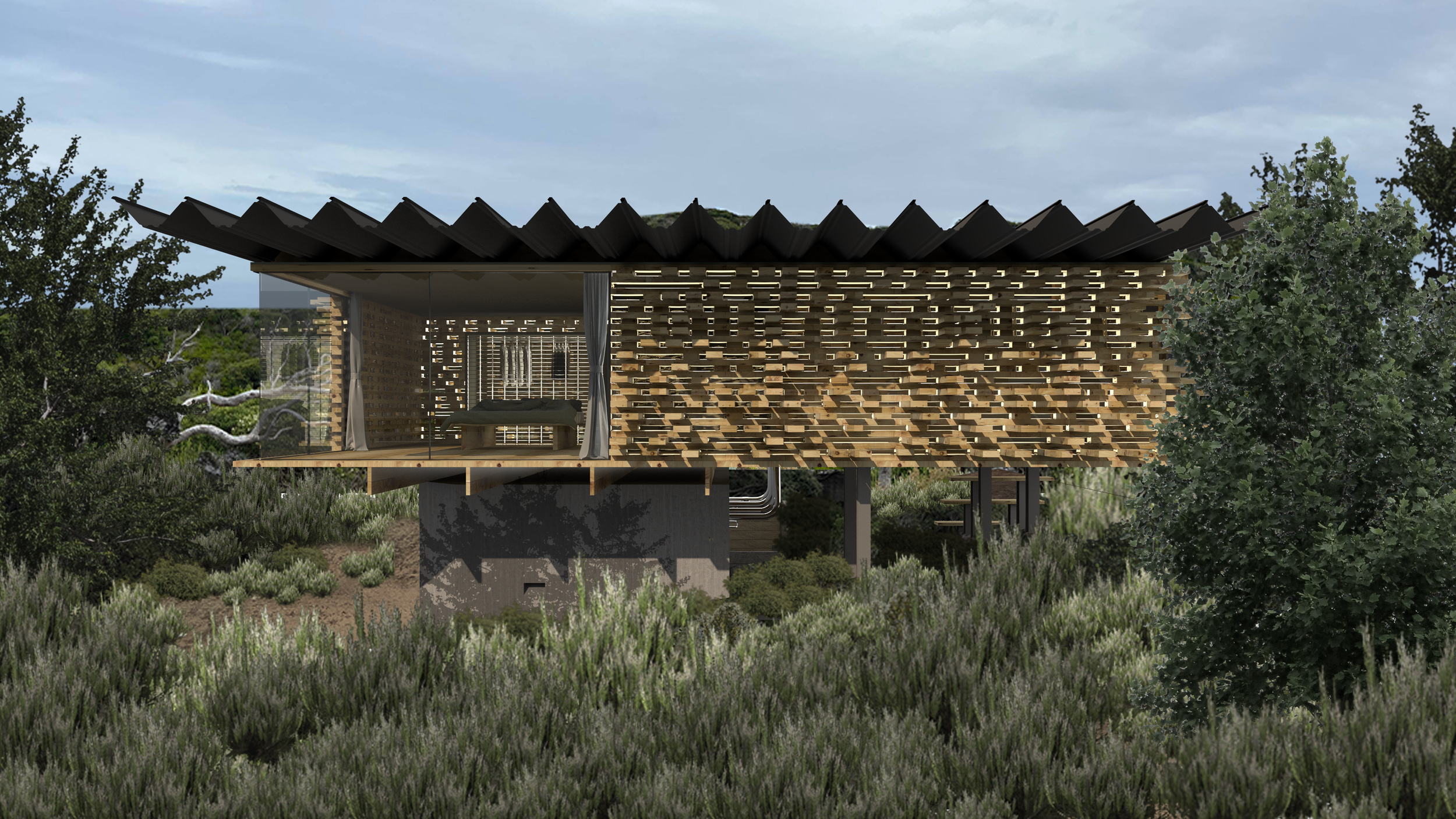
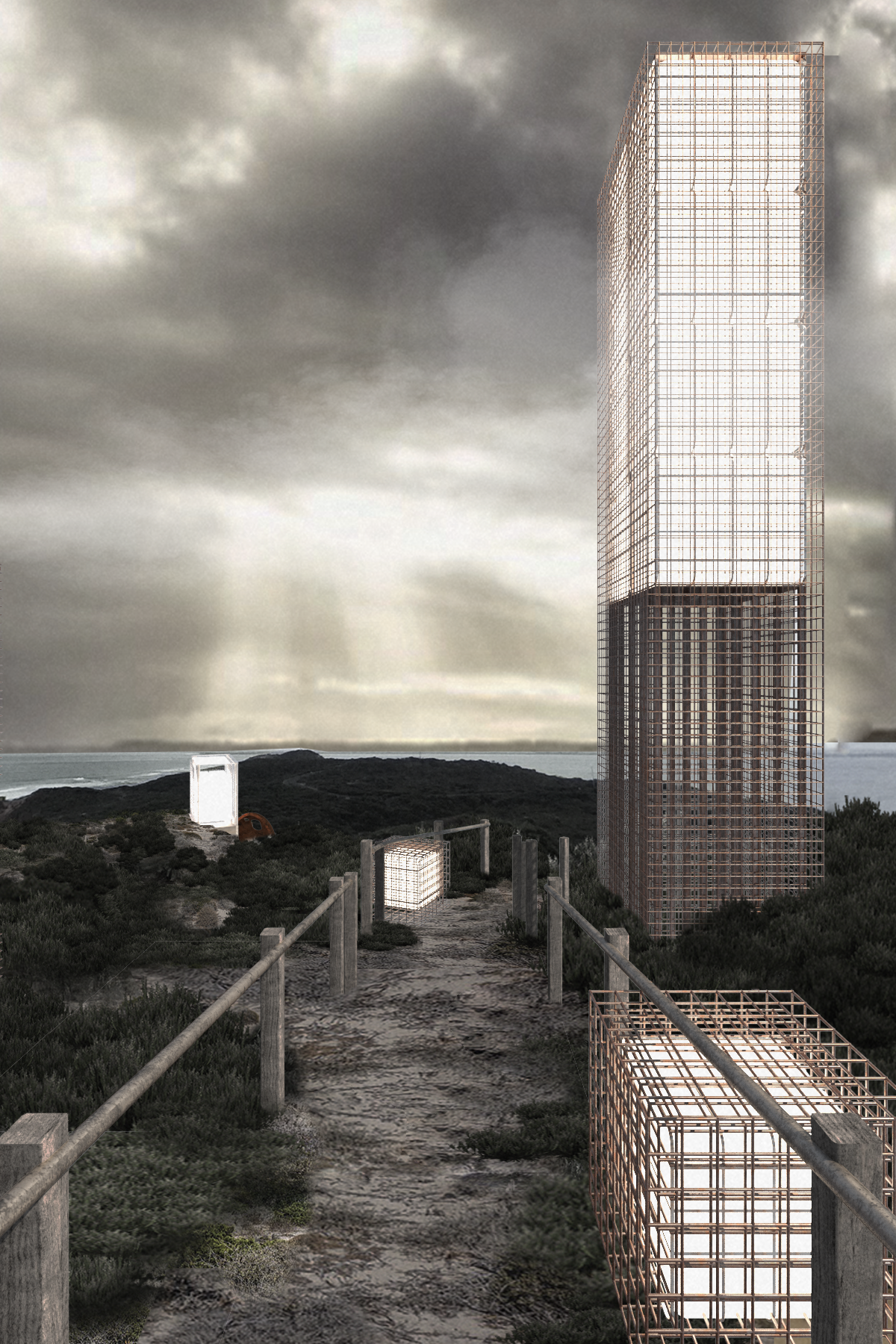
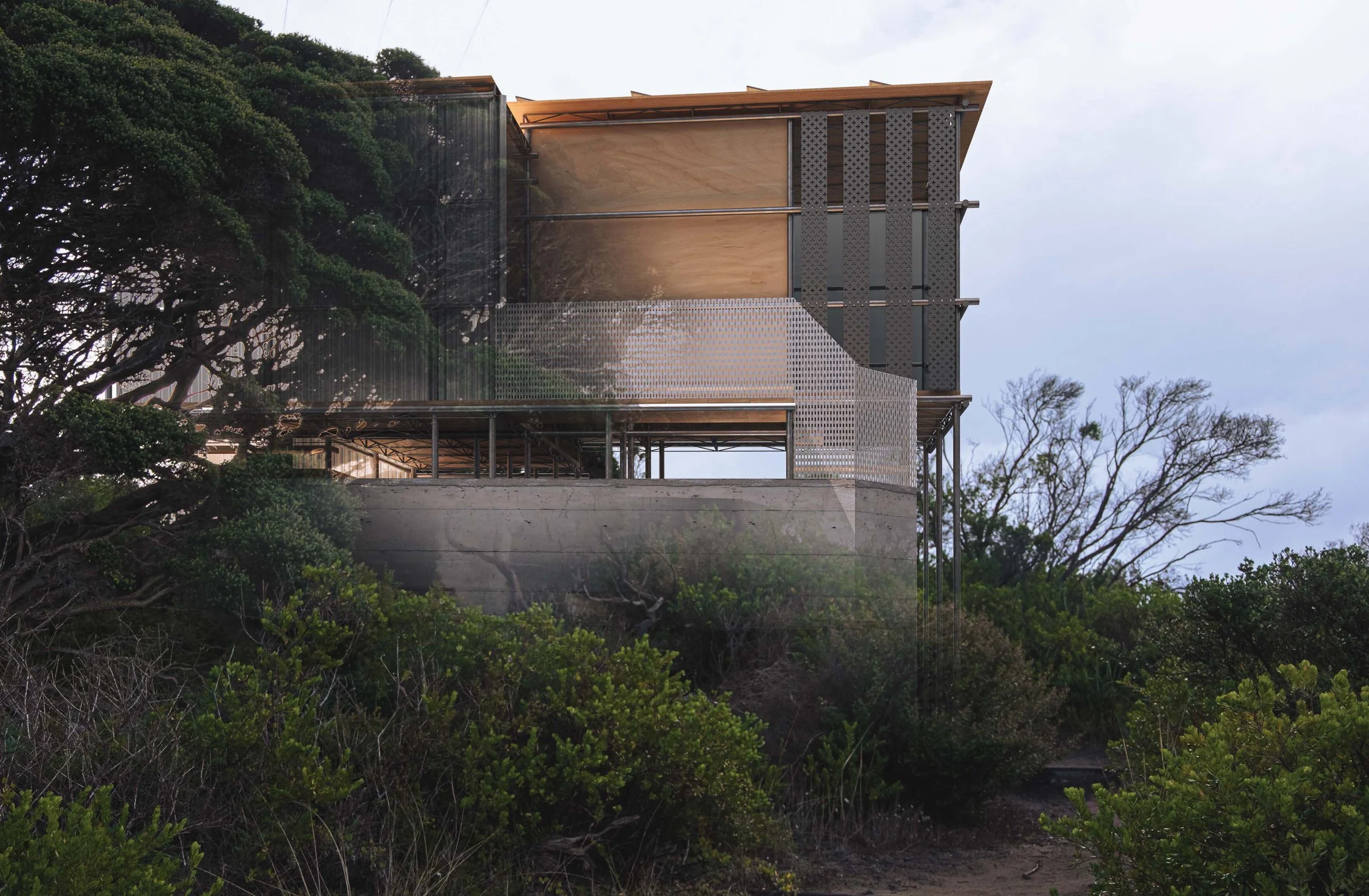
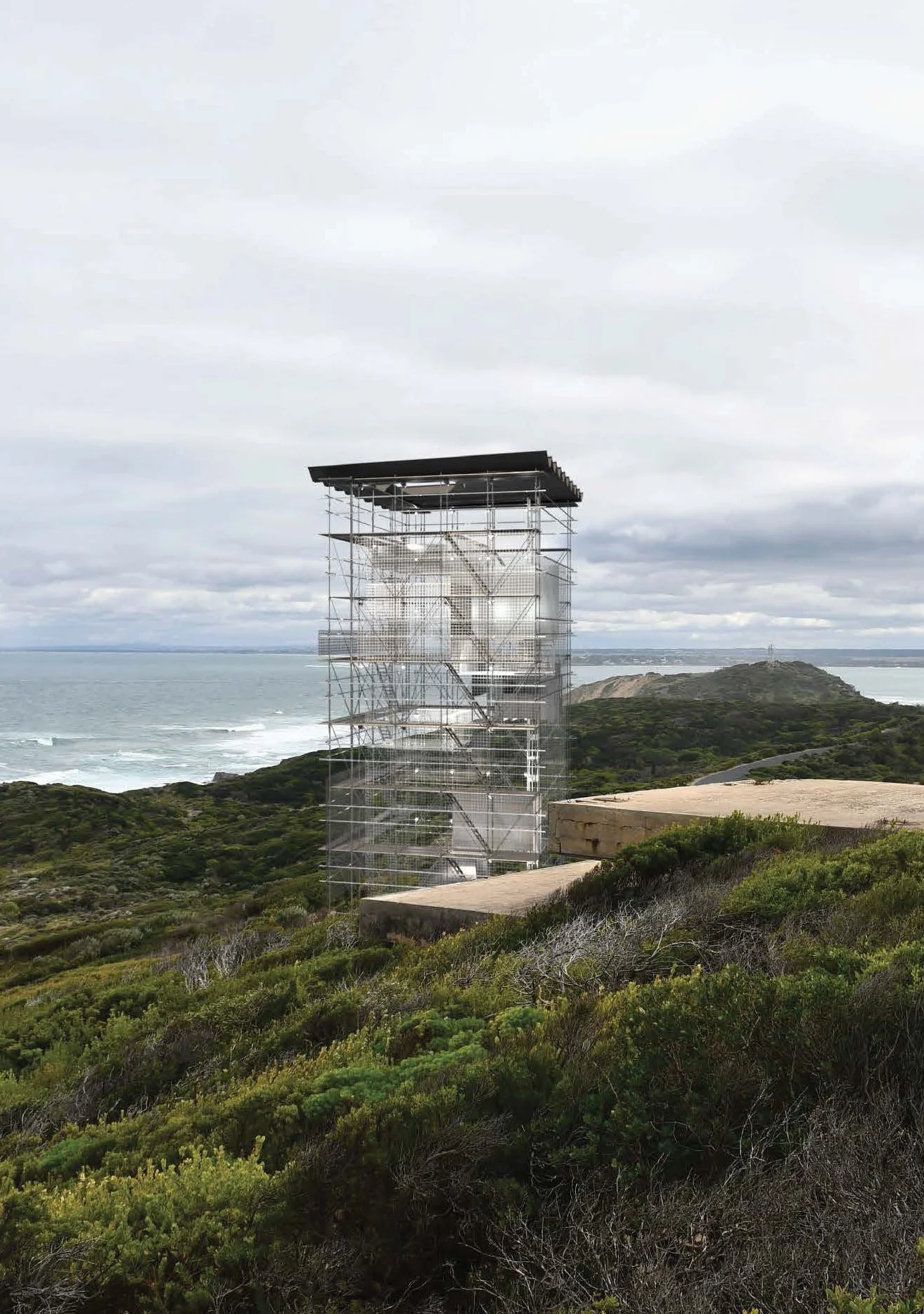
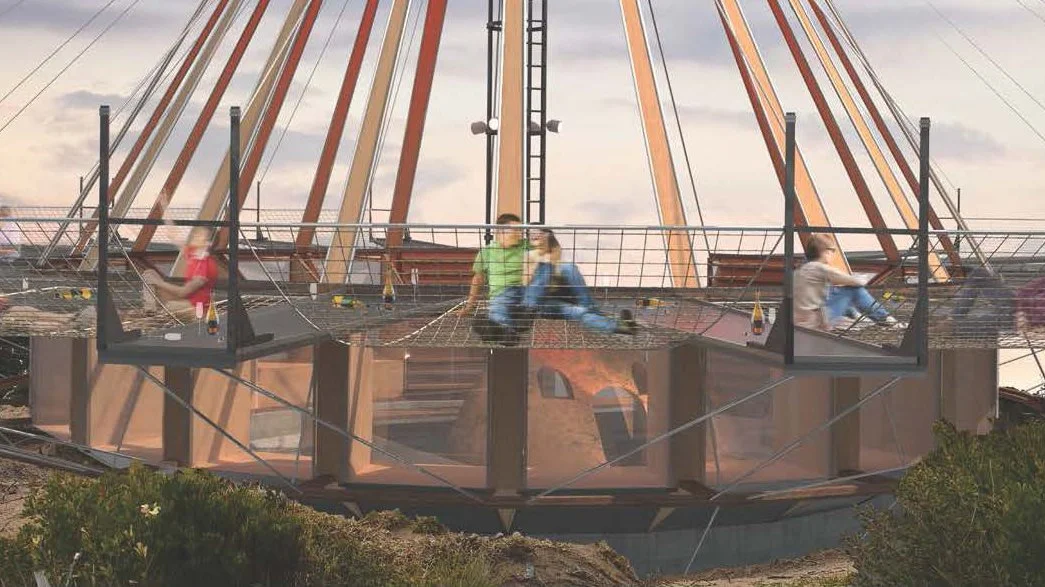
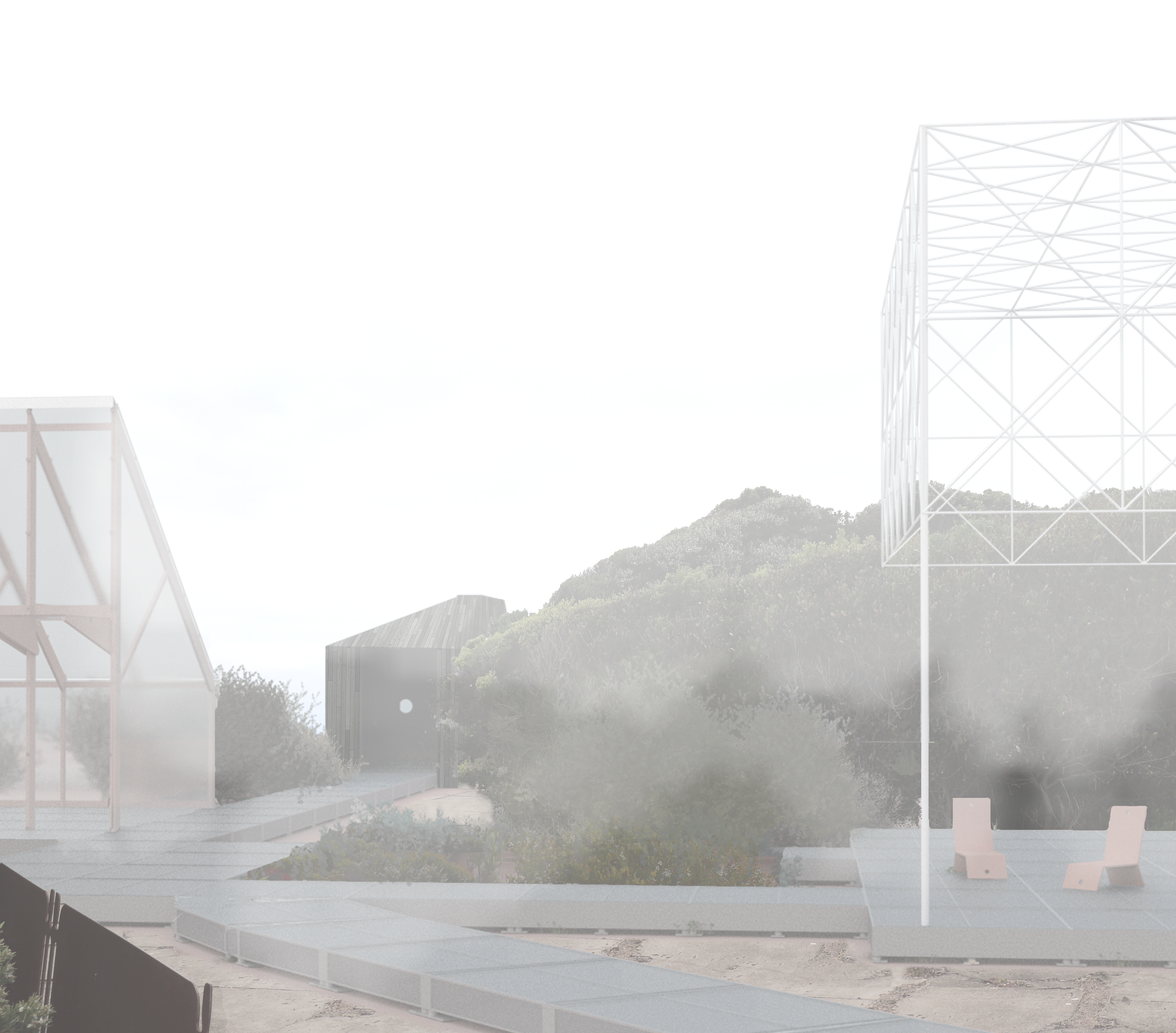
The Point Nepean National Park remained closed to the general public for years, and its long period of isolation resulted in the preservation and regeneration of a dramatic landscape.
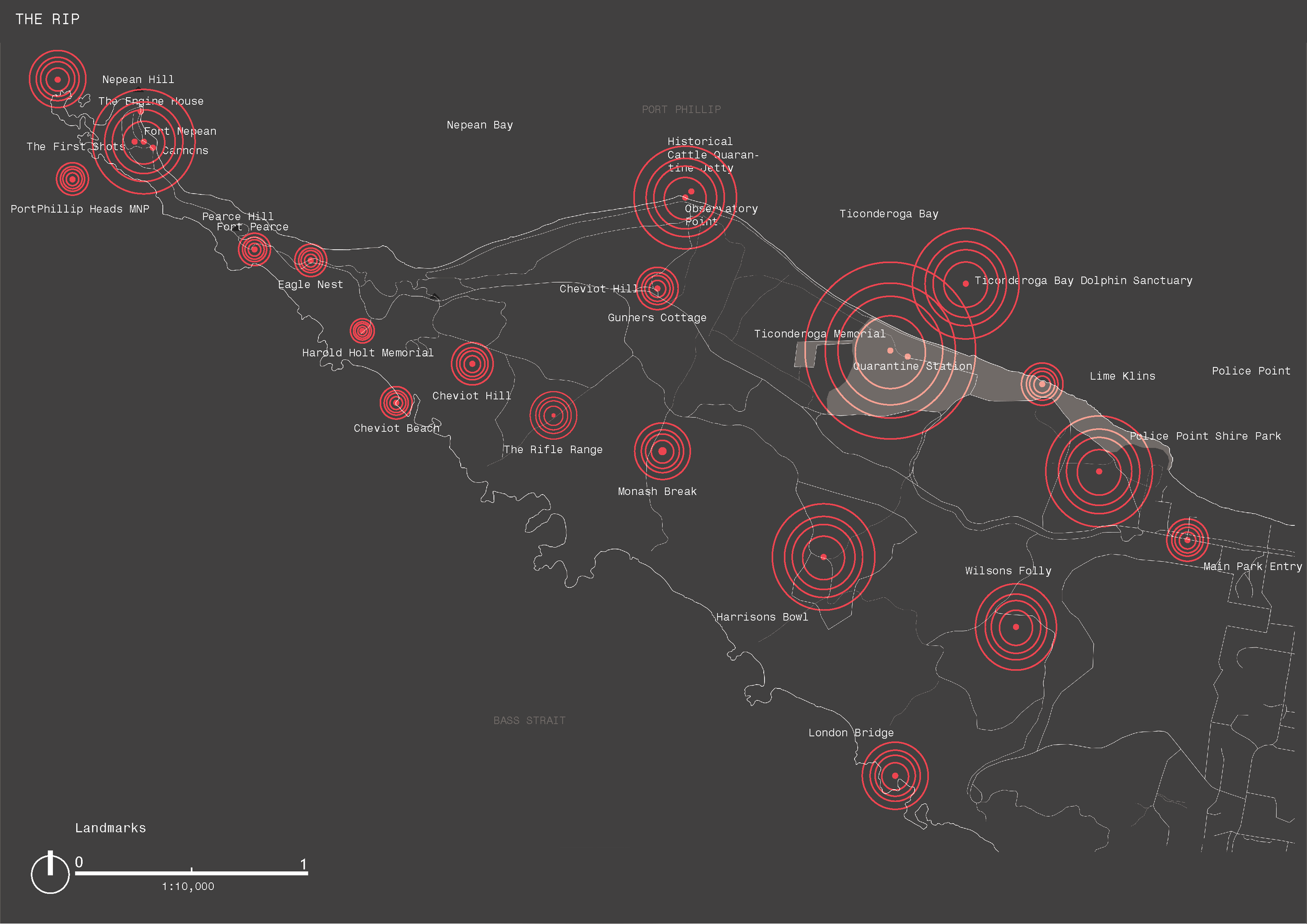
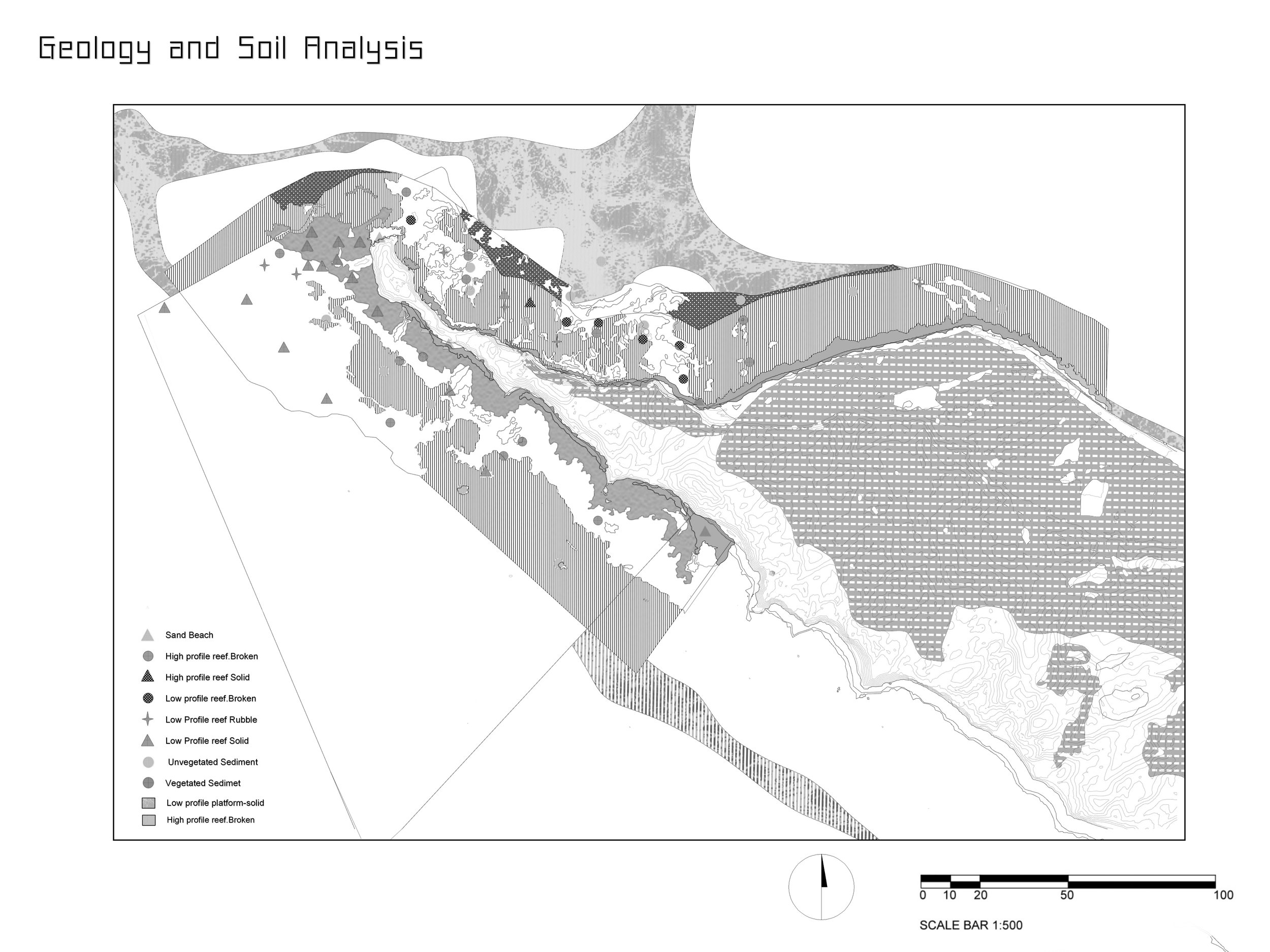
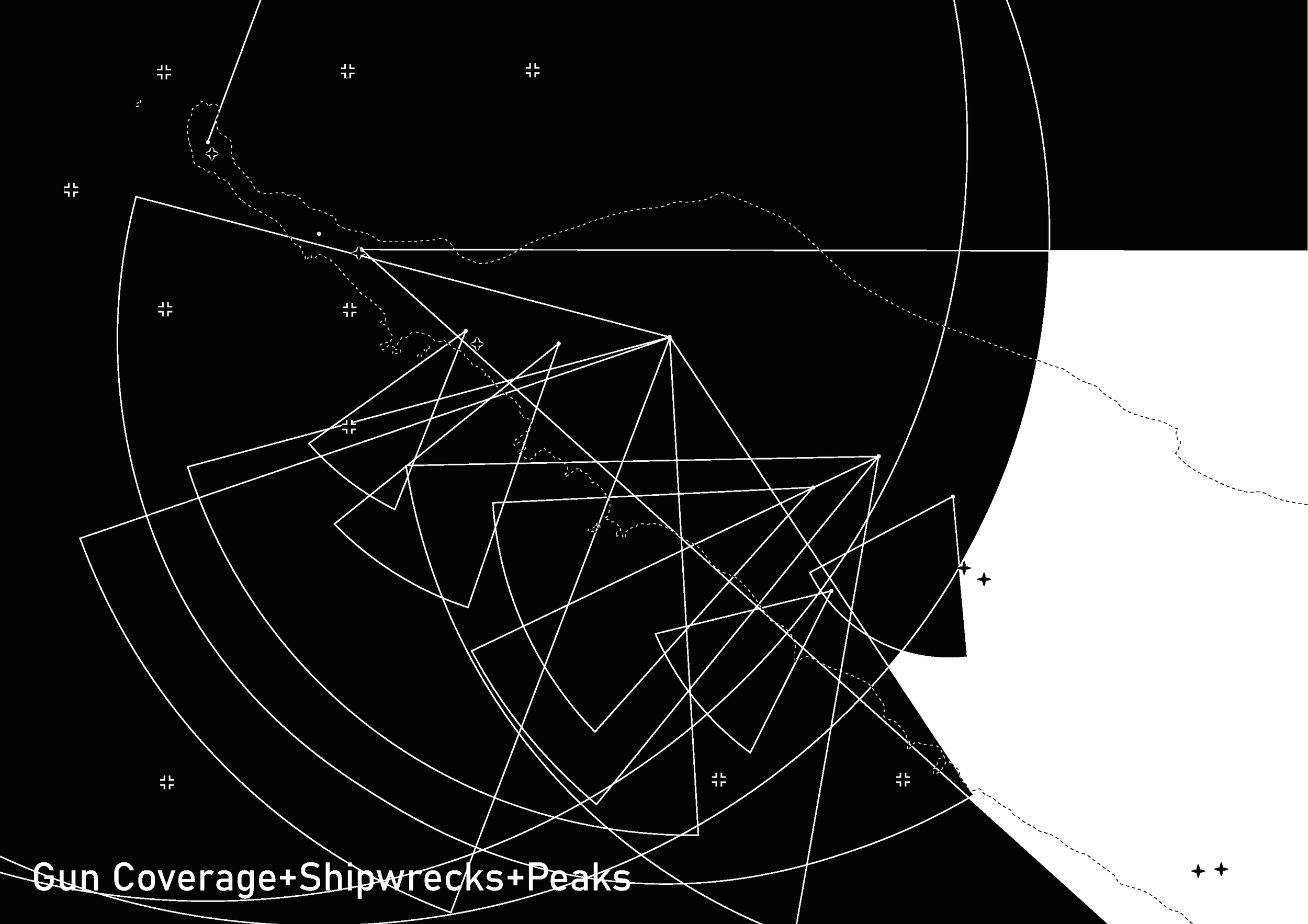
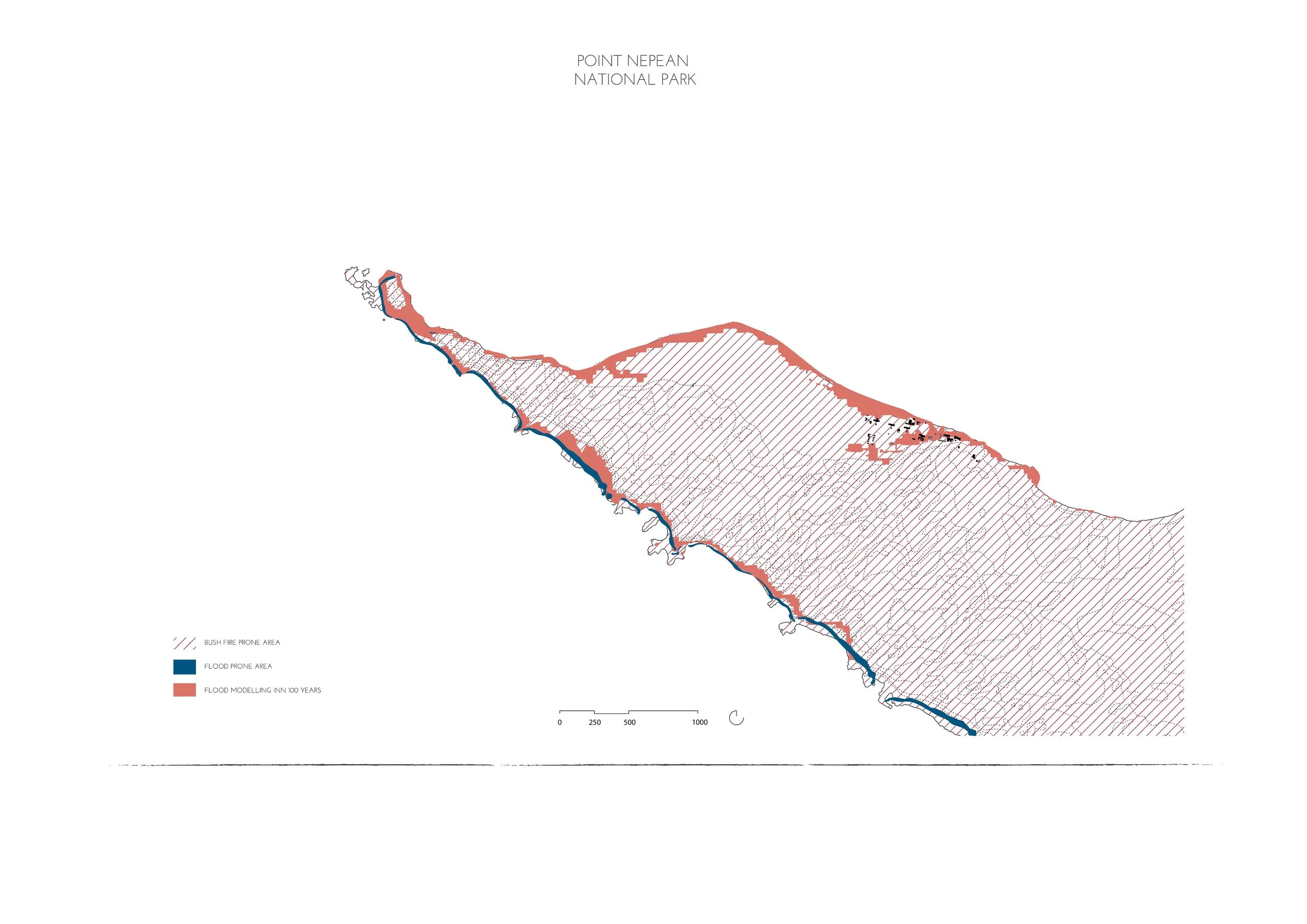
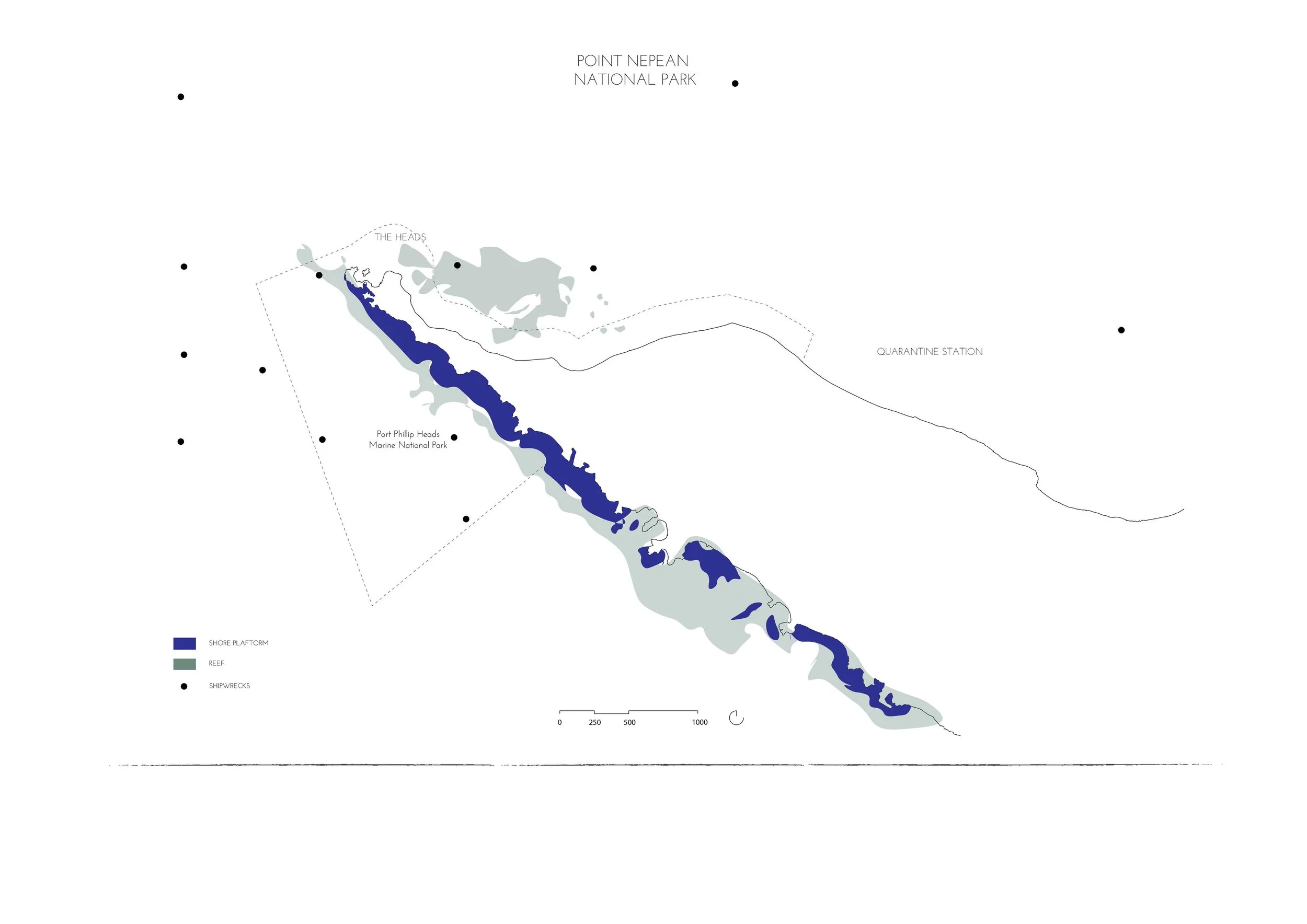
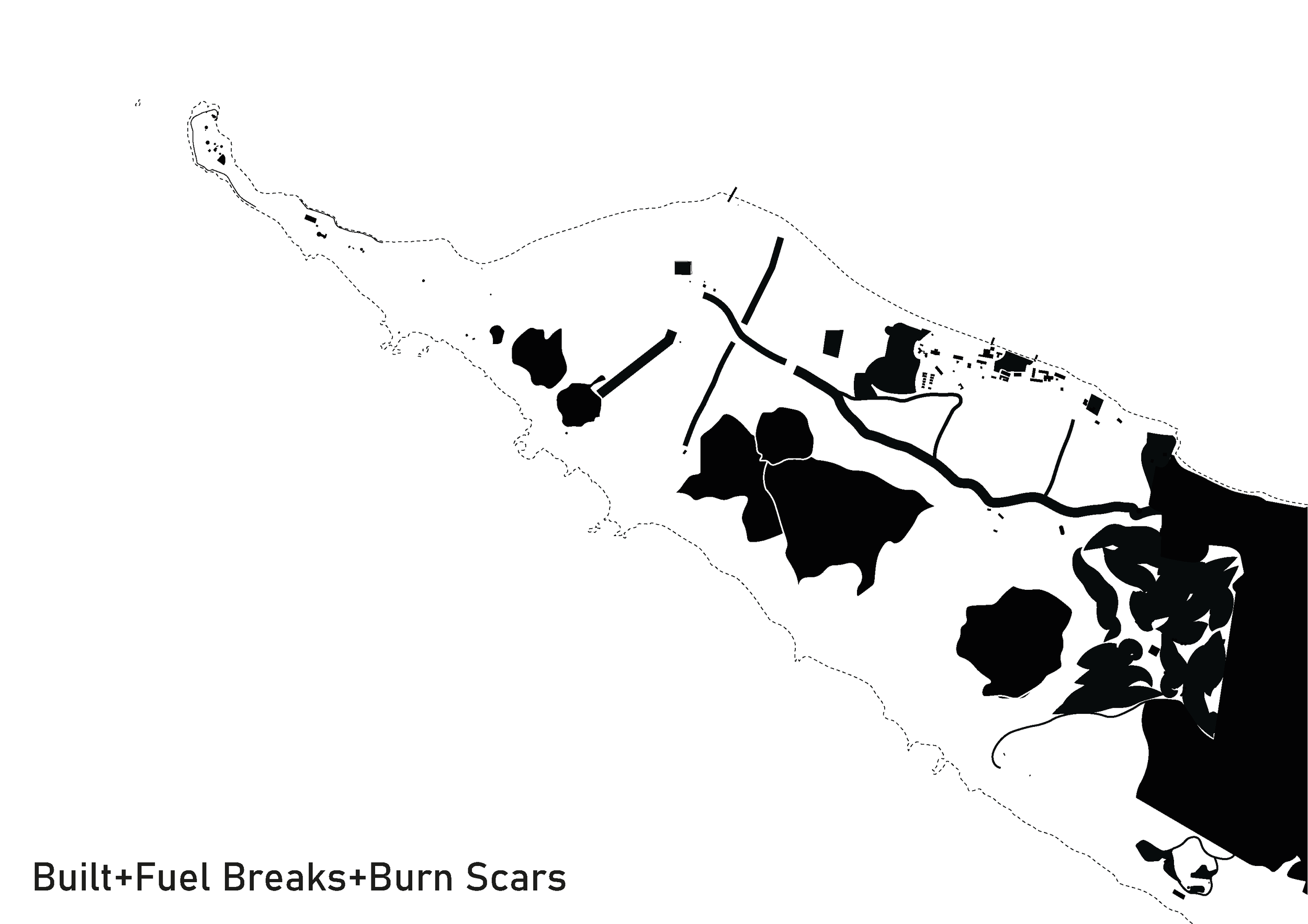
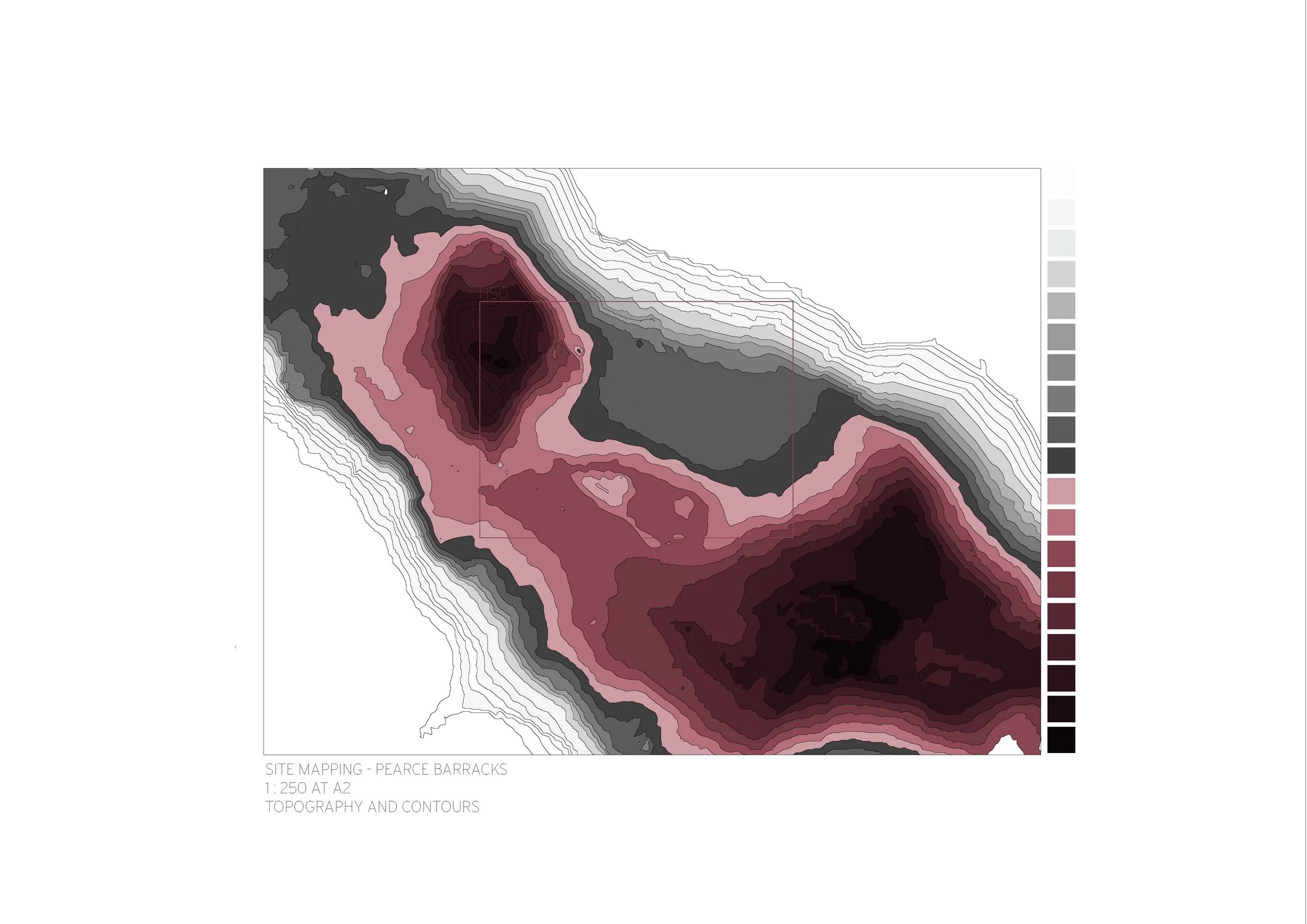
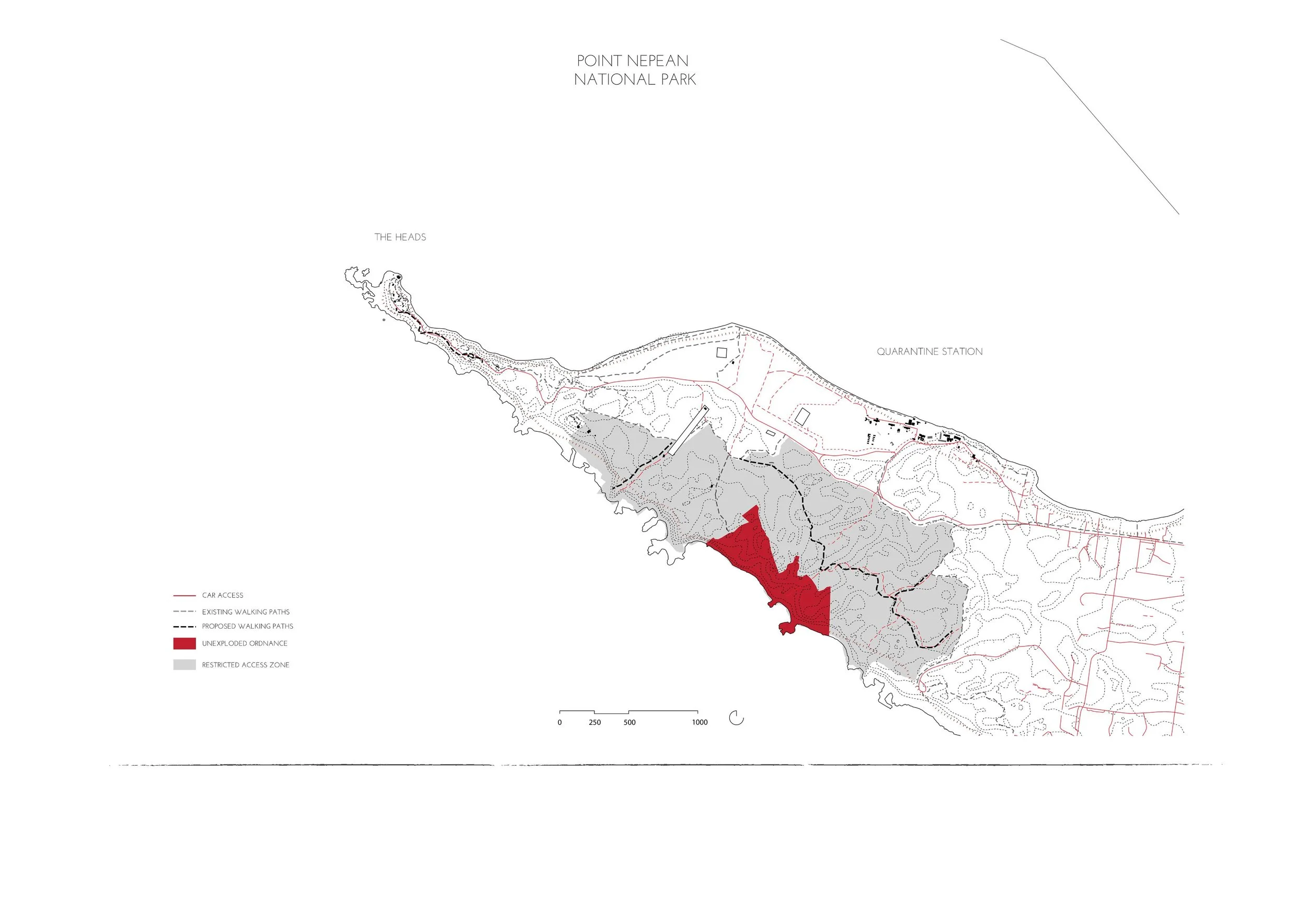
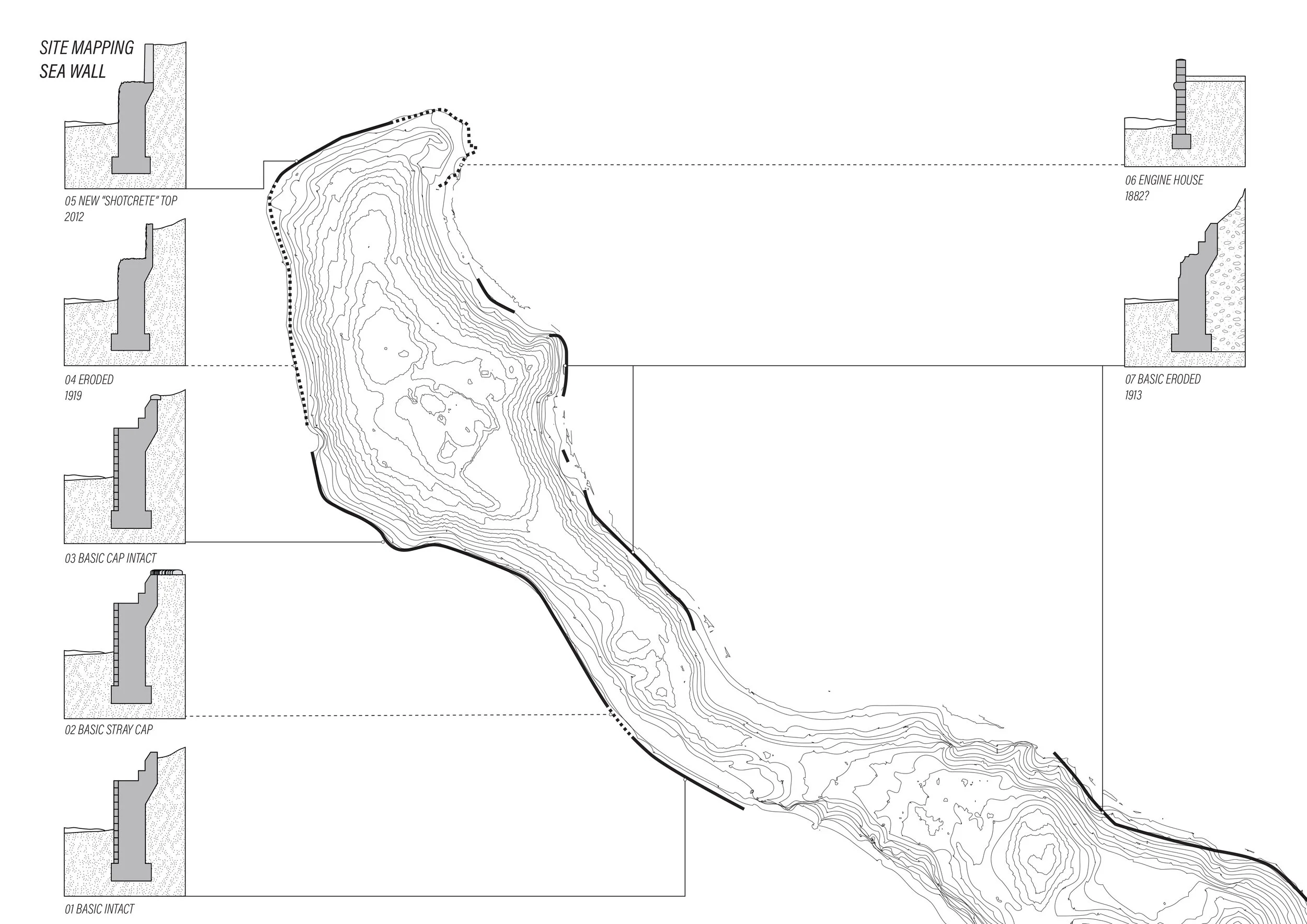
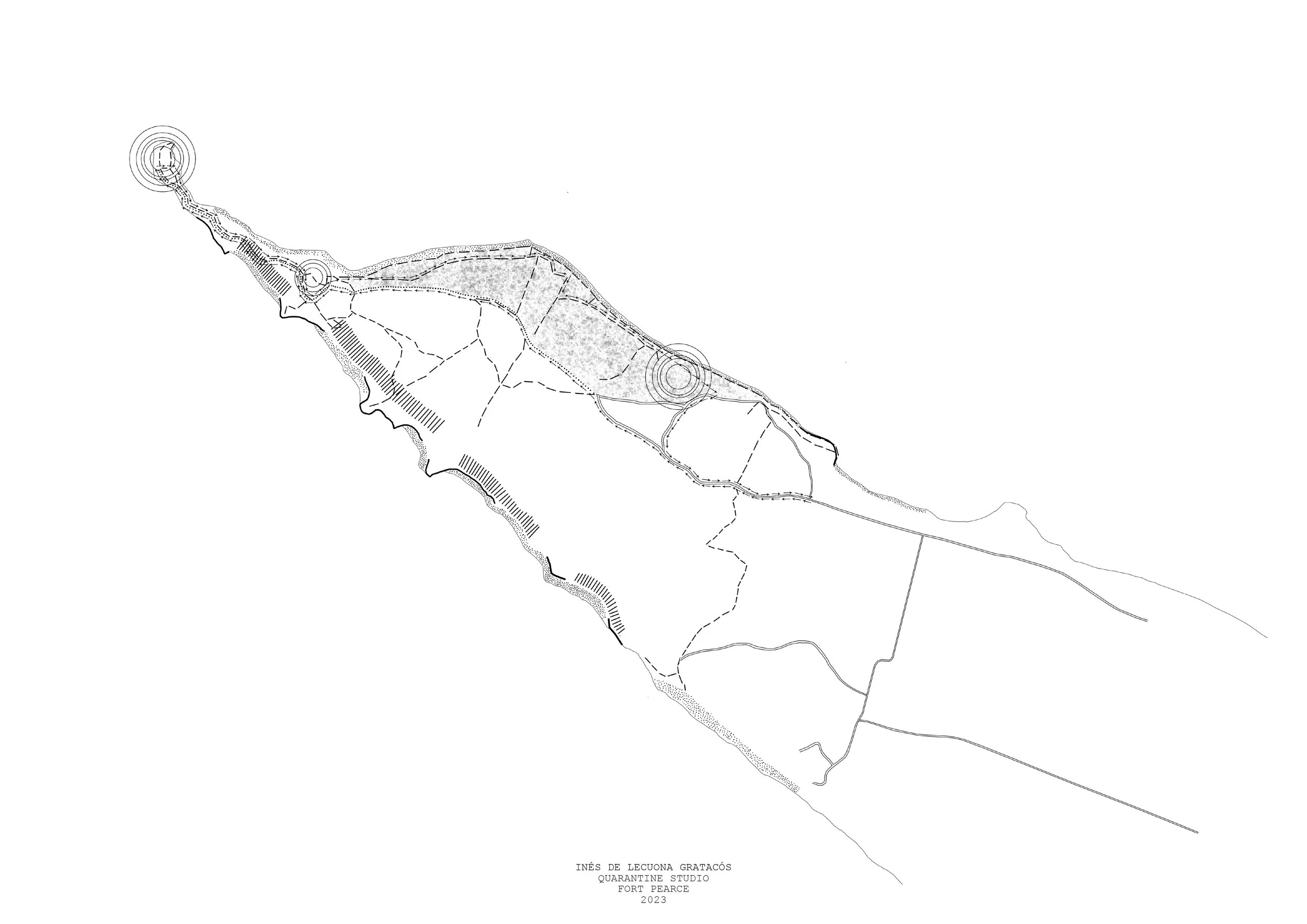
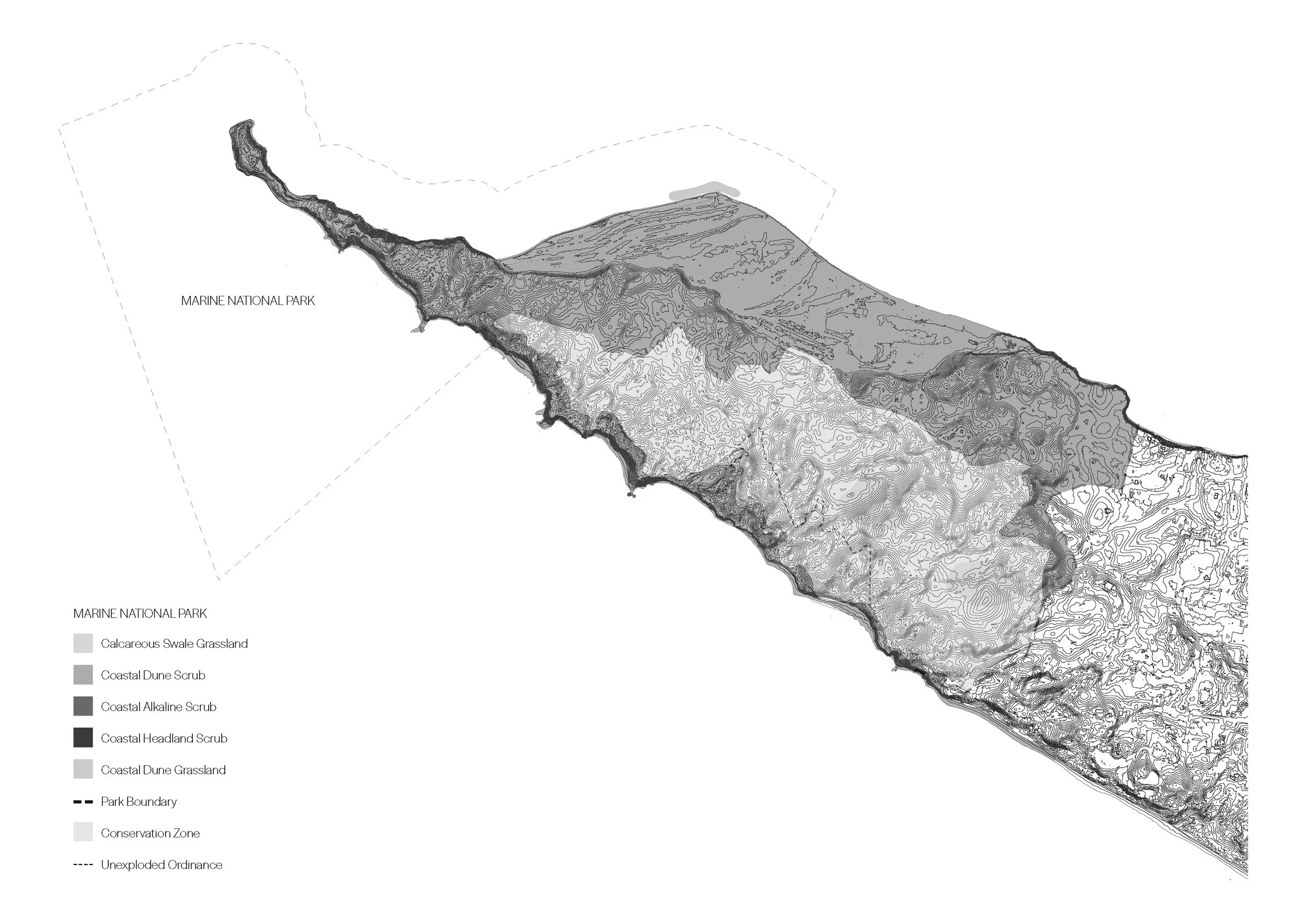
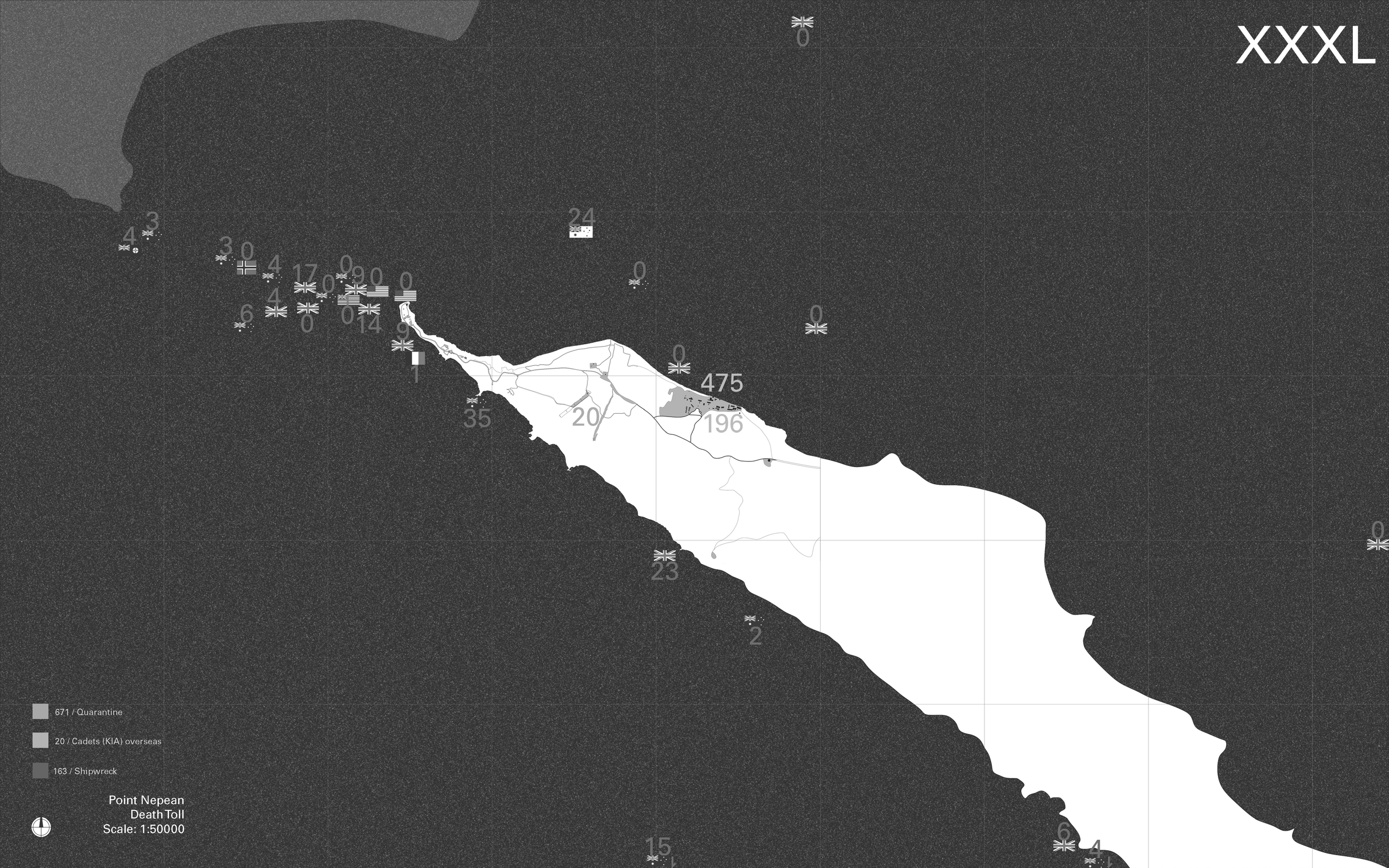
Students researched the site’s history, ranging from Bunurong times and the sanatorium years—where ships plagued by illness were quarantined—to the construction of defense systems during the Gold Rush and the first shot of the First World War.
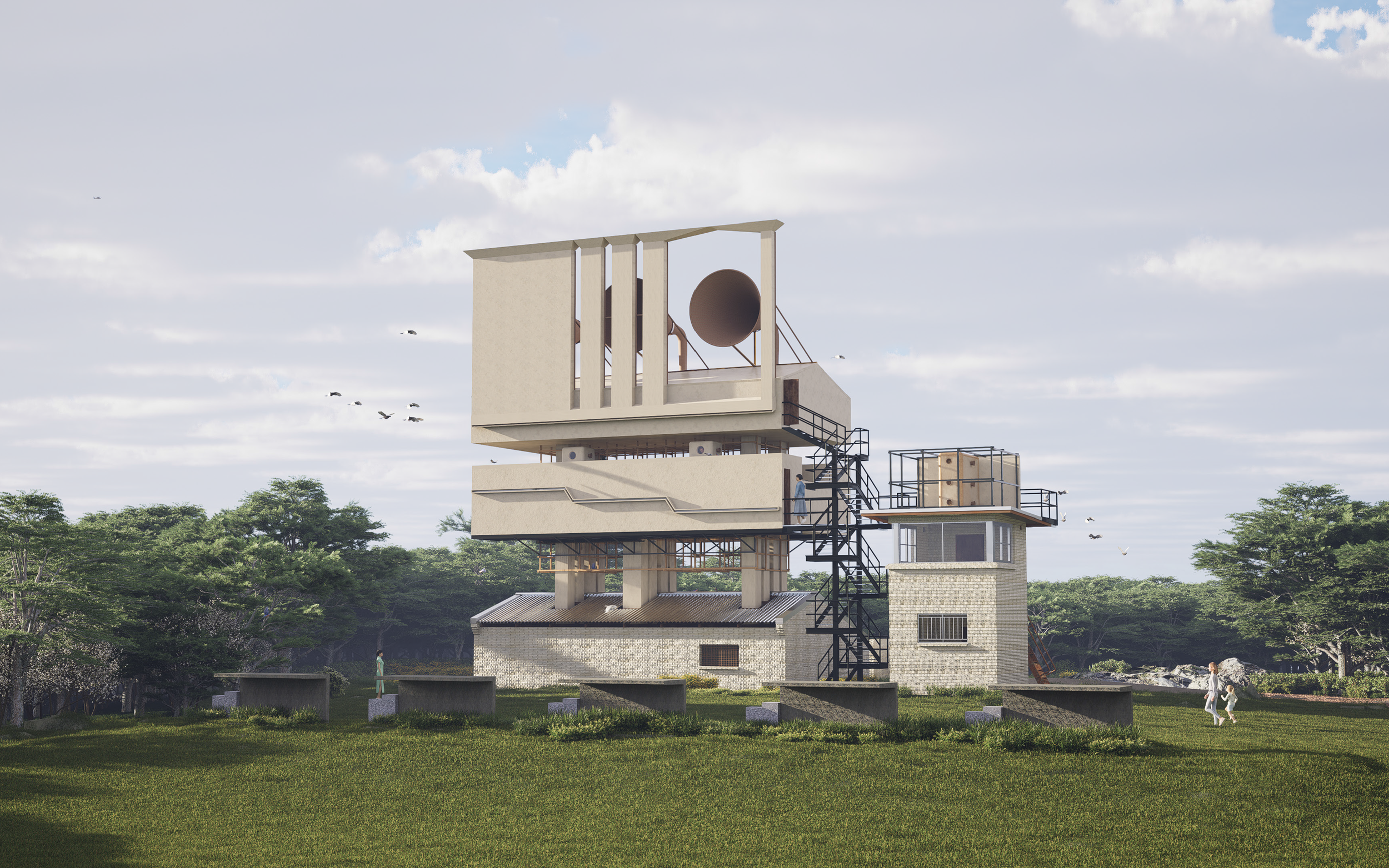
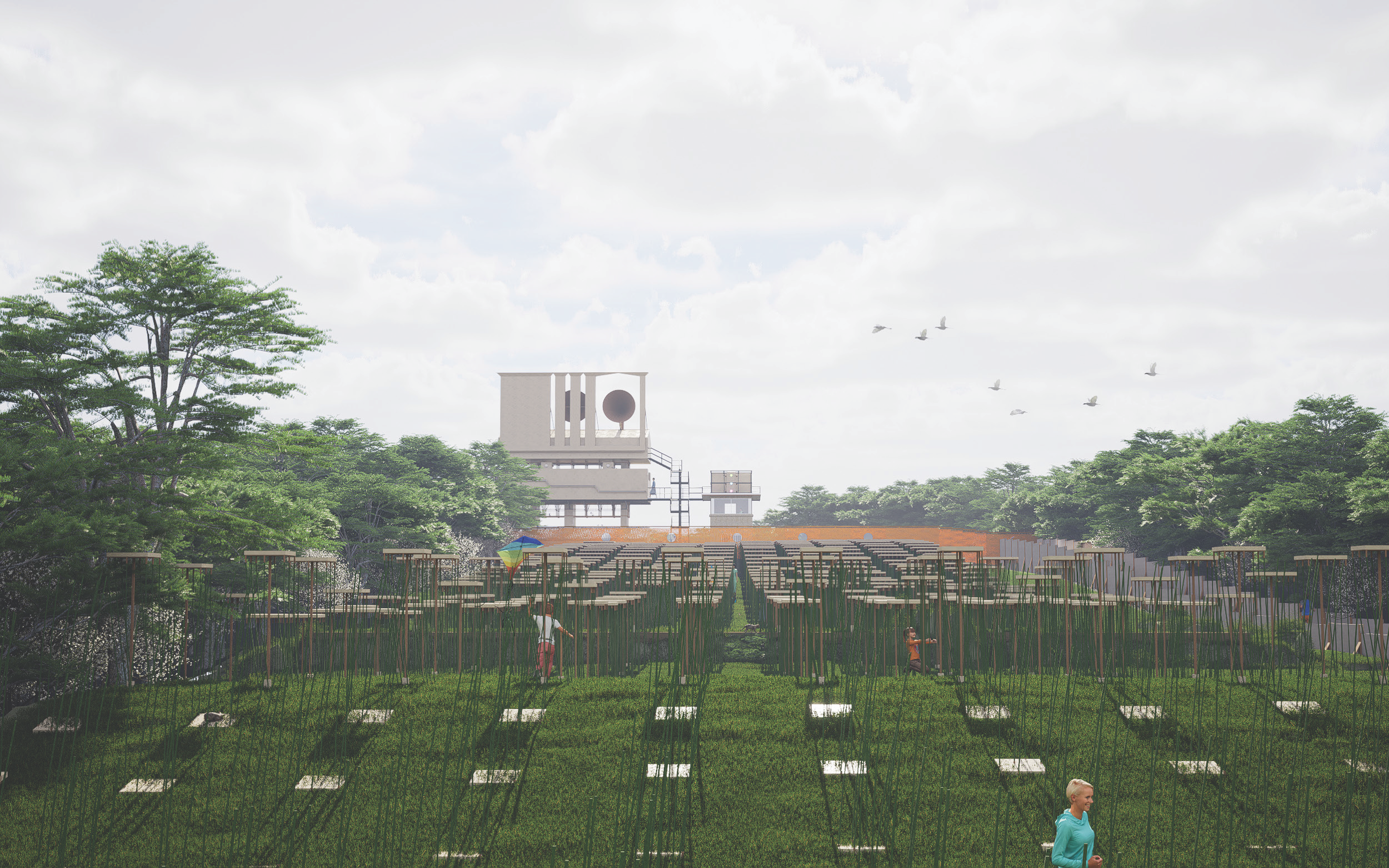
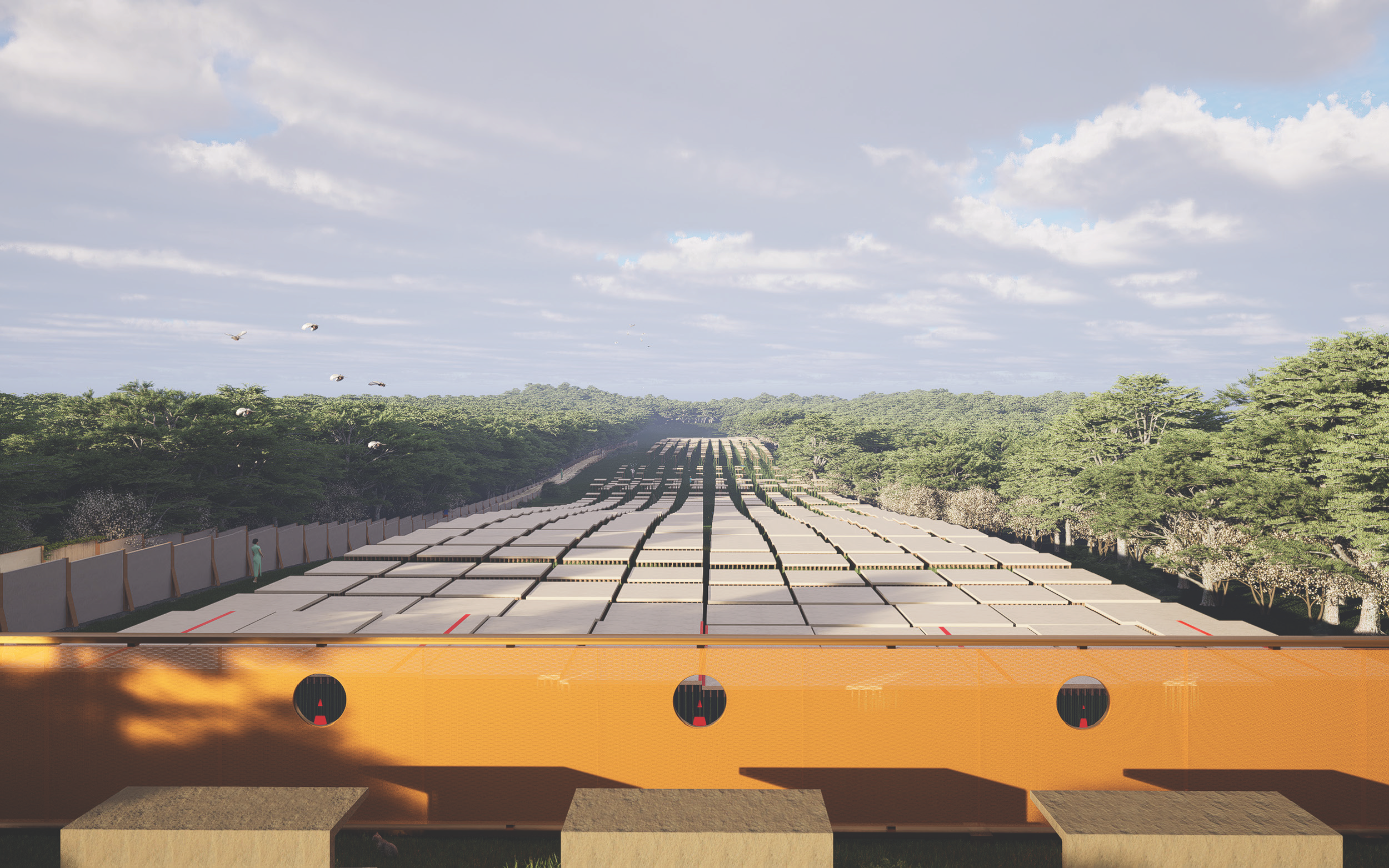
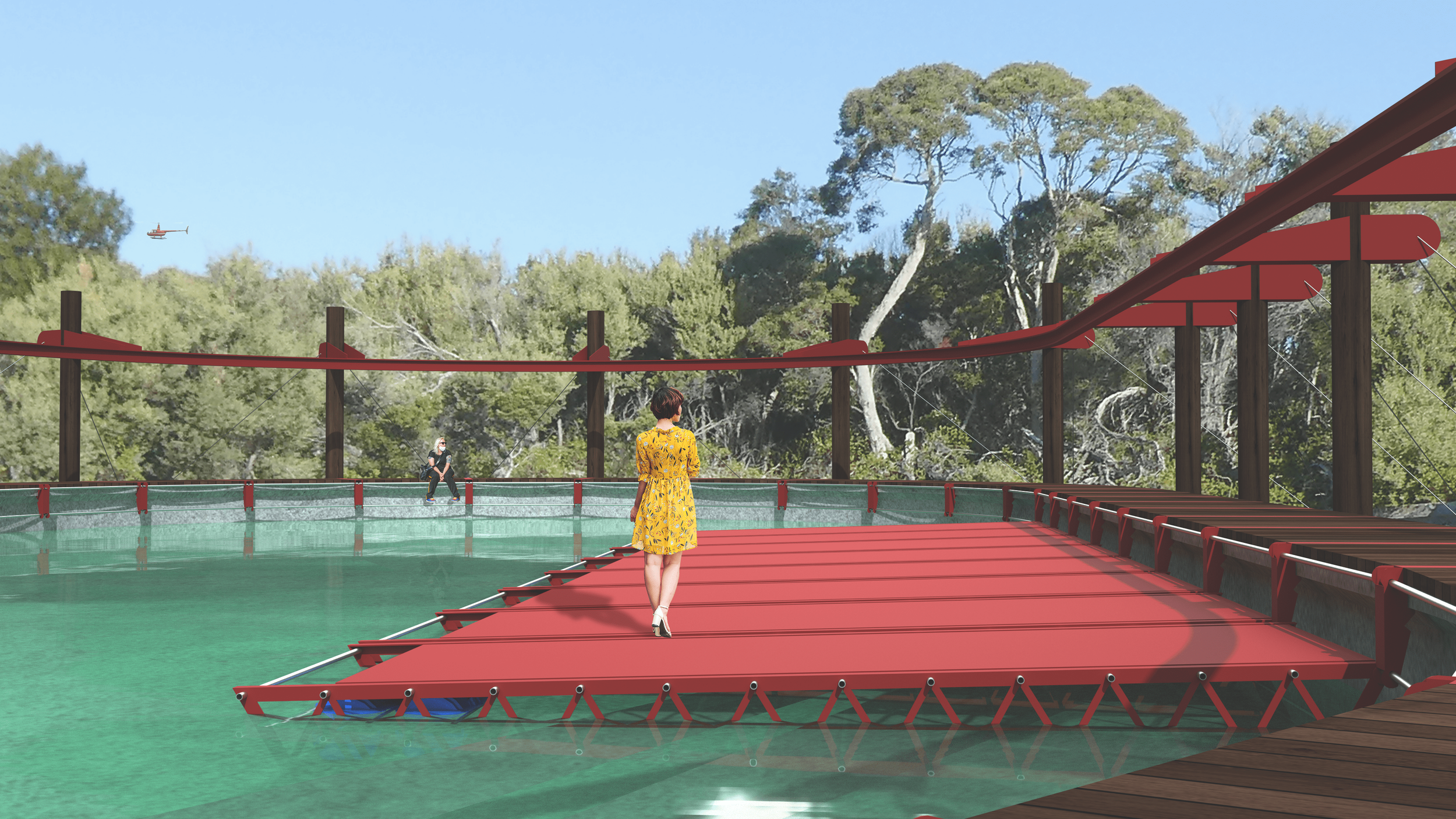
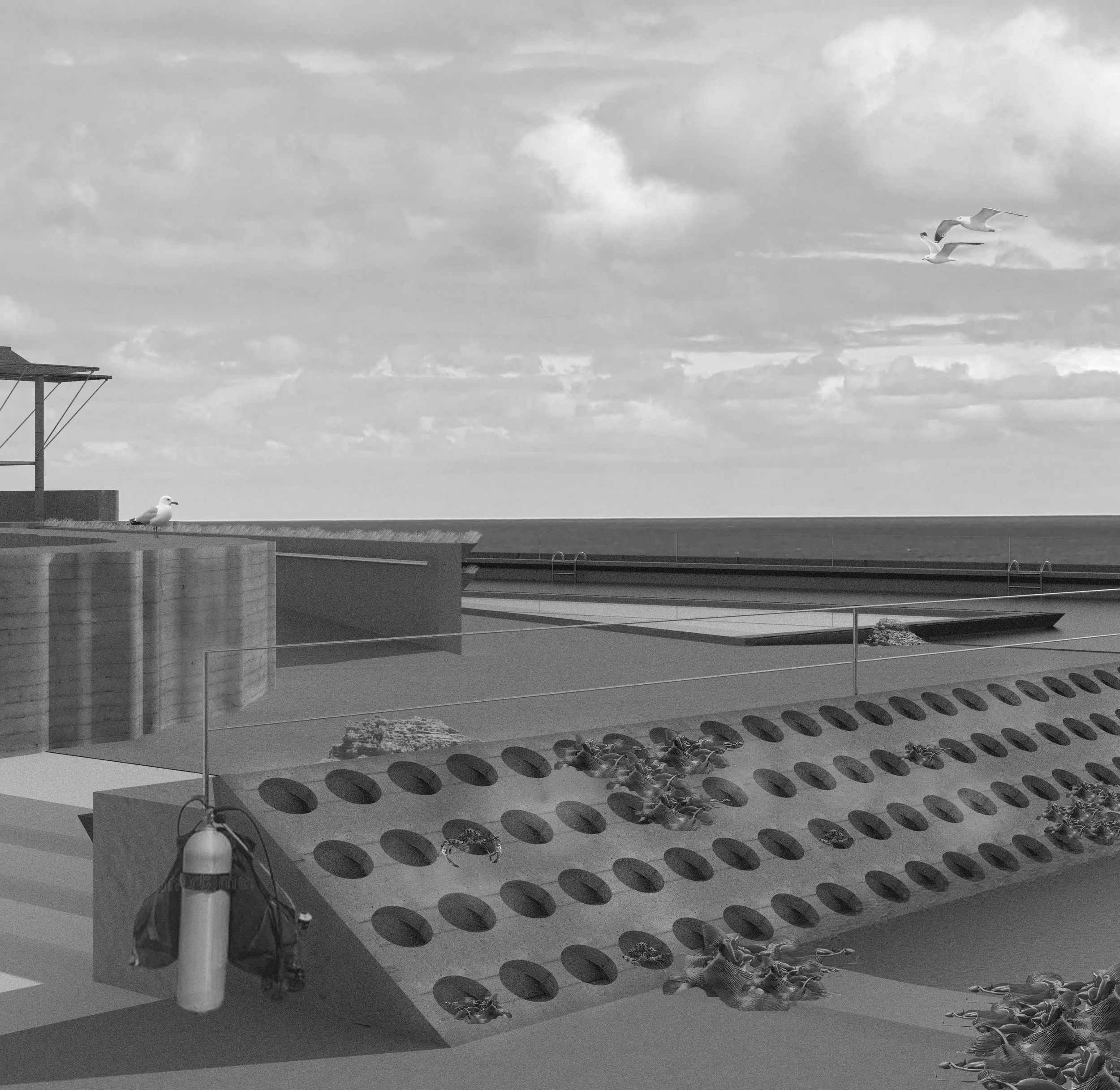
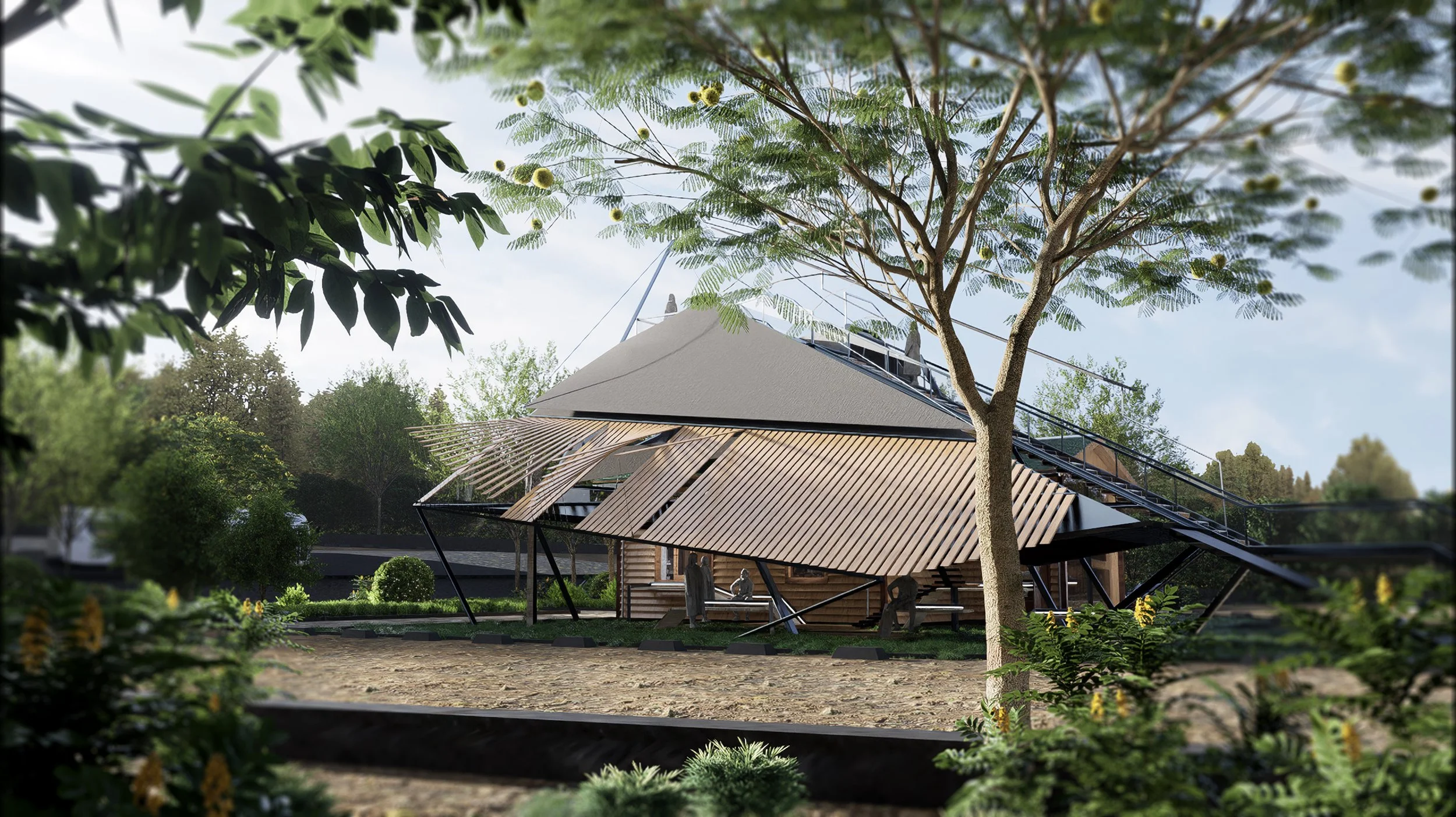
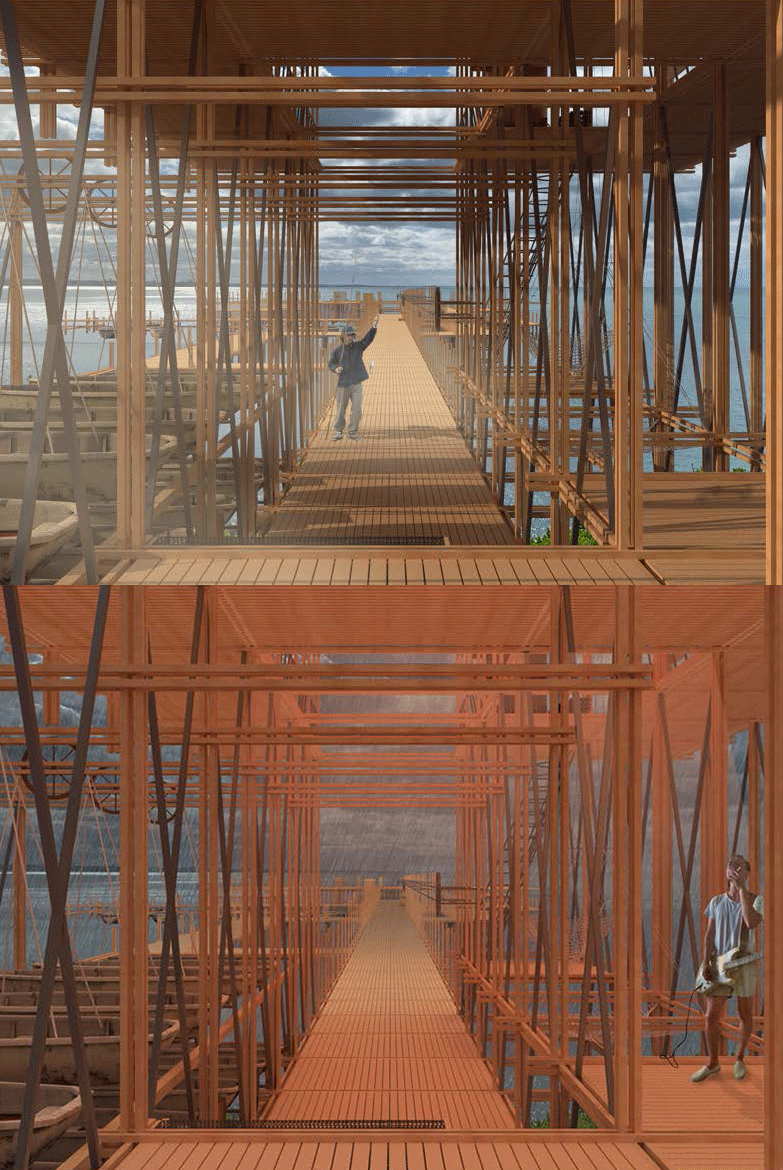
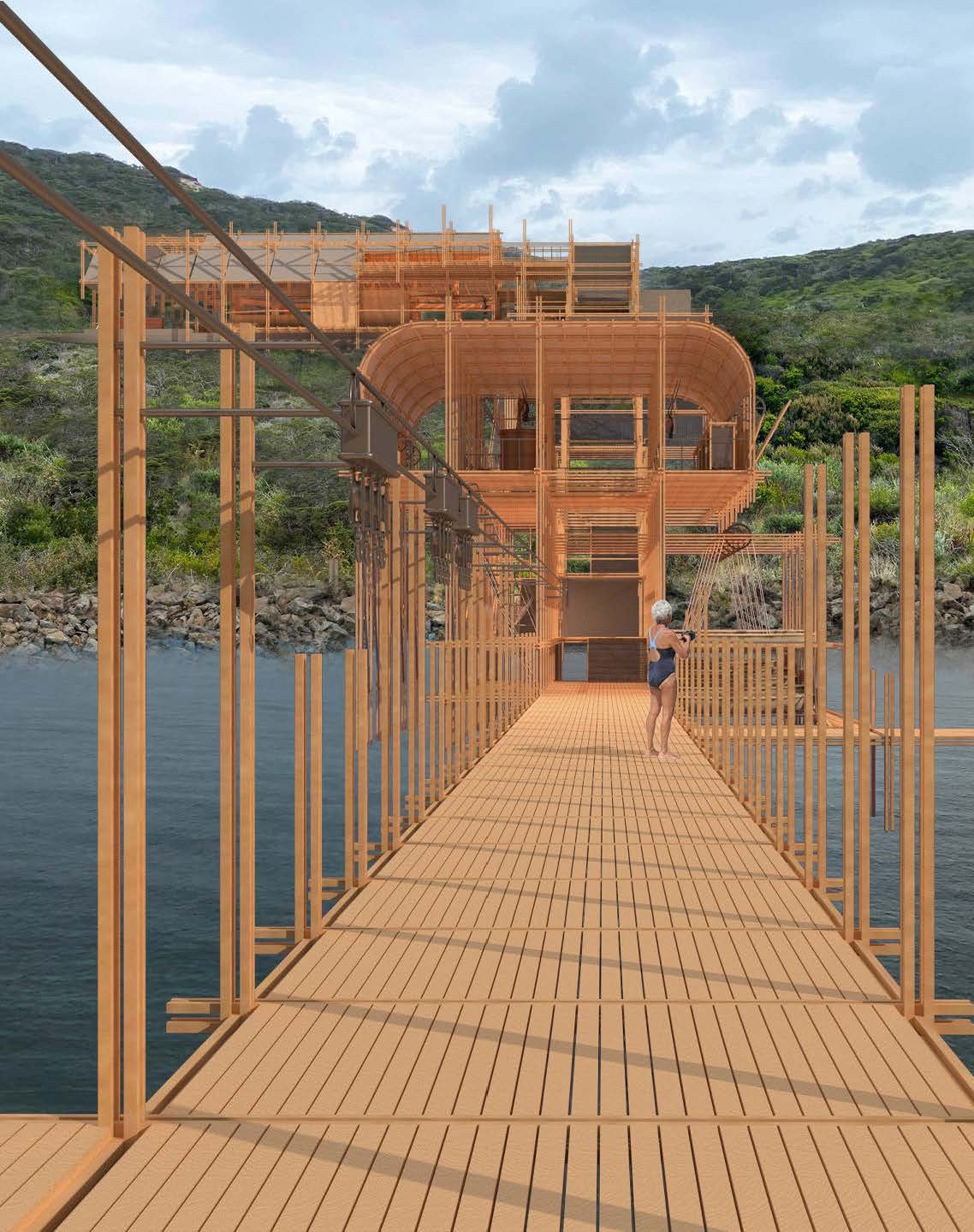
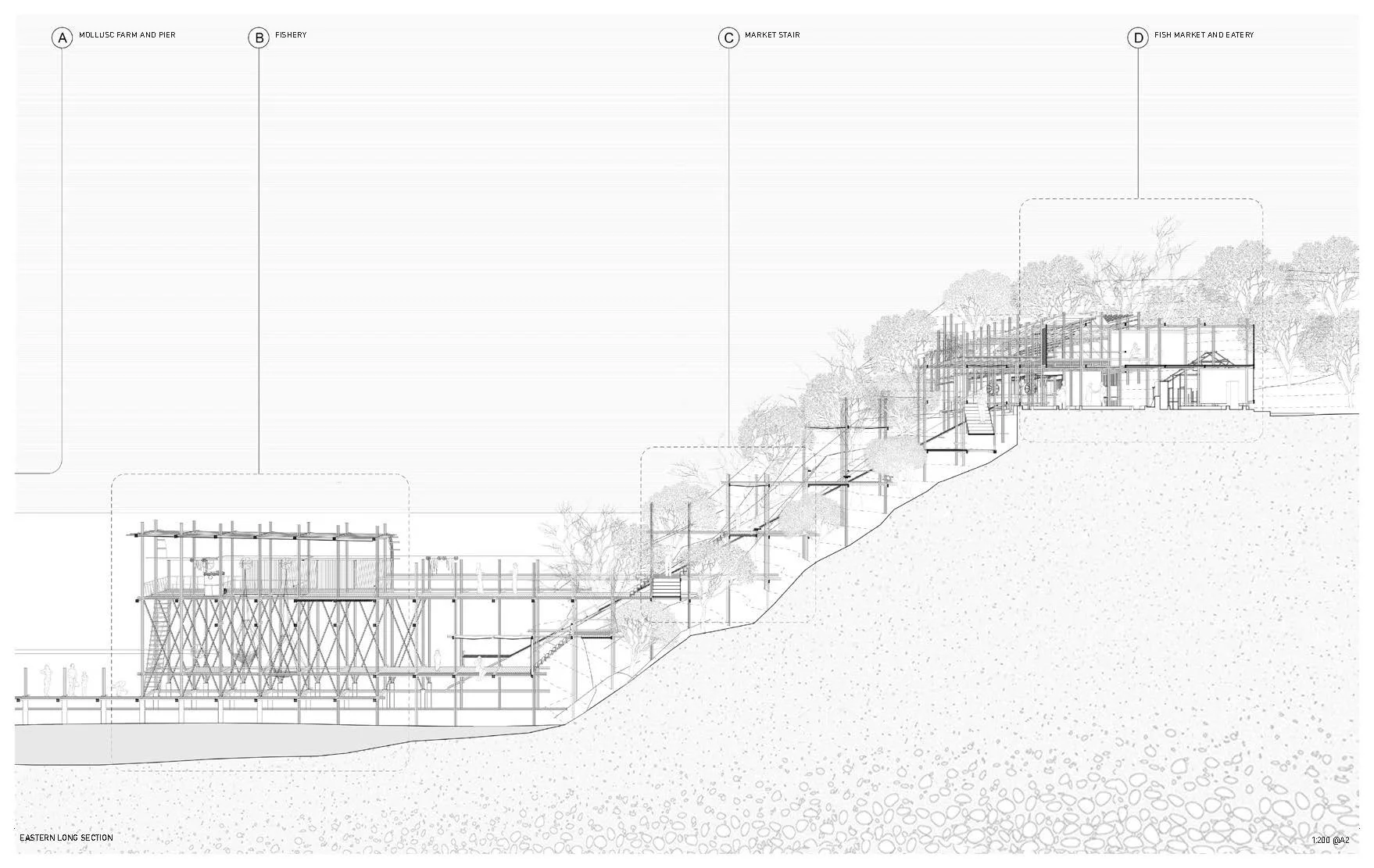
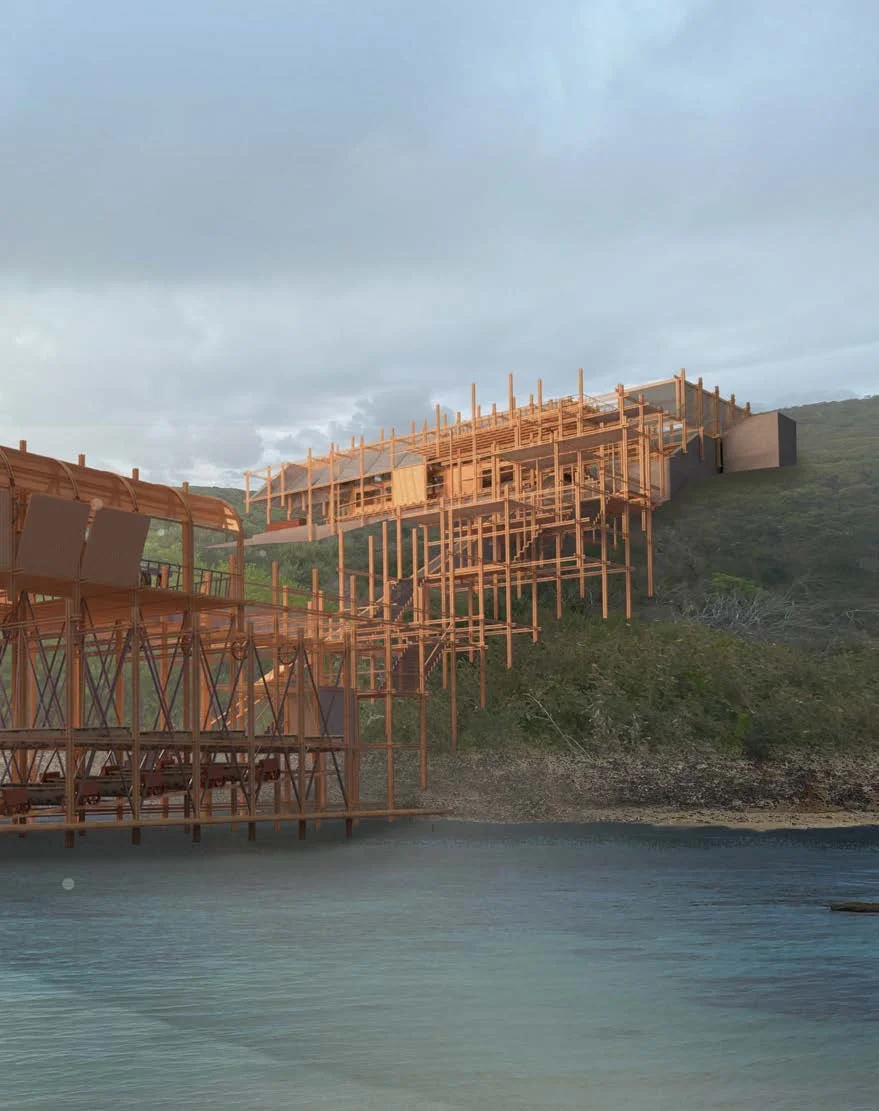
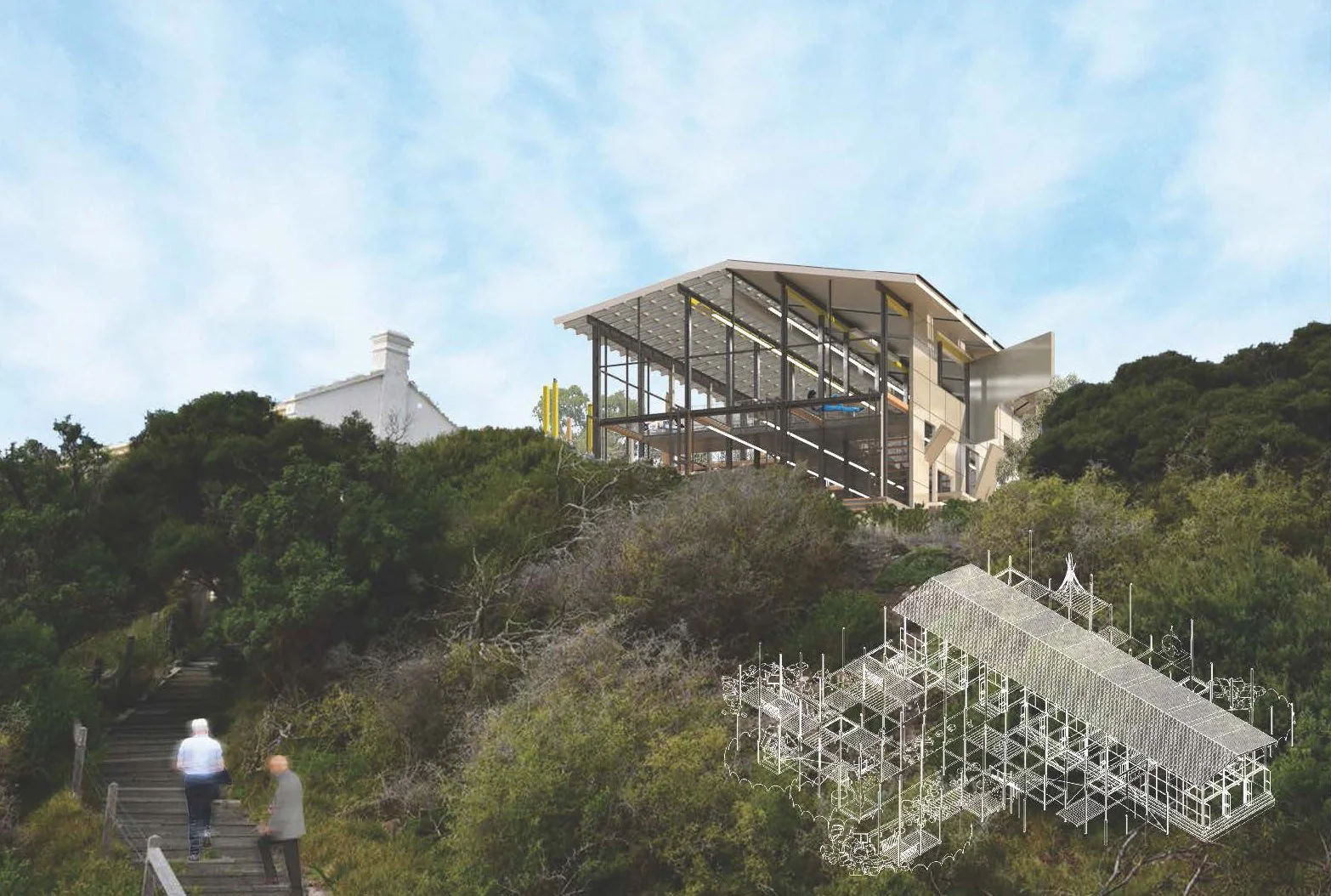
Stories of diseased early settlers, a litany of shipwrecks, and the drowning of Australia’s 17th Prime Minister, Harold Holt, were unpacked, researched, mapped, and recorded to uncover programmatic opportunities and inform proposals for the land and its existing structures.
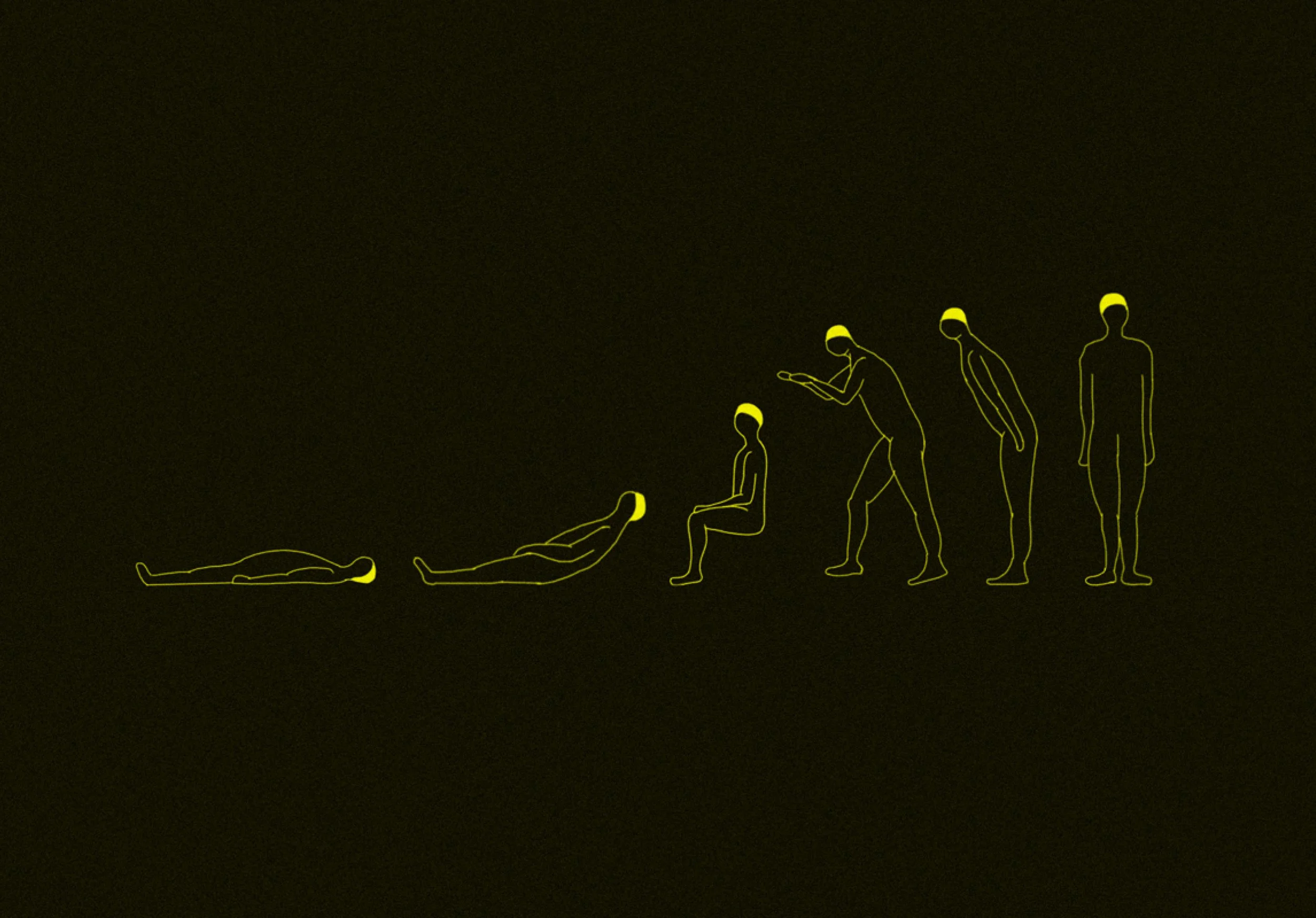
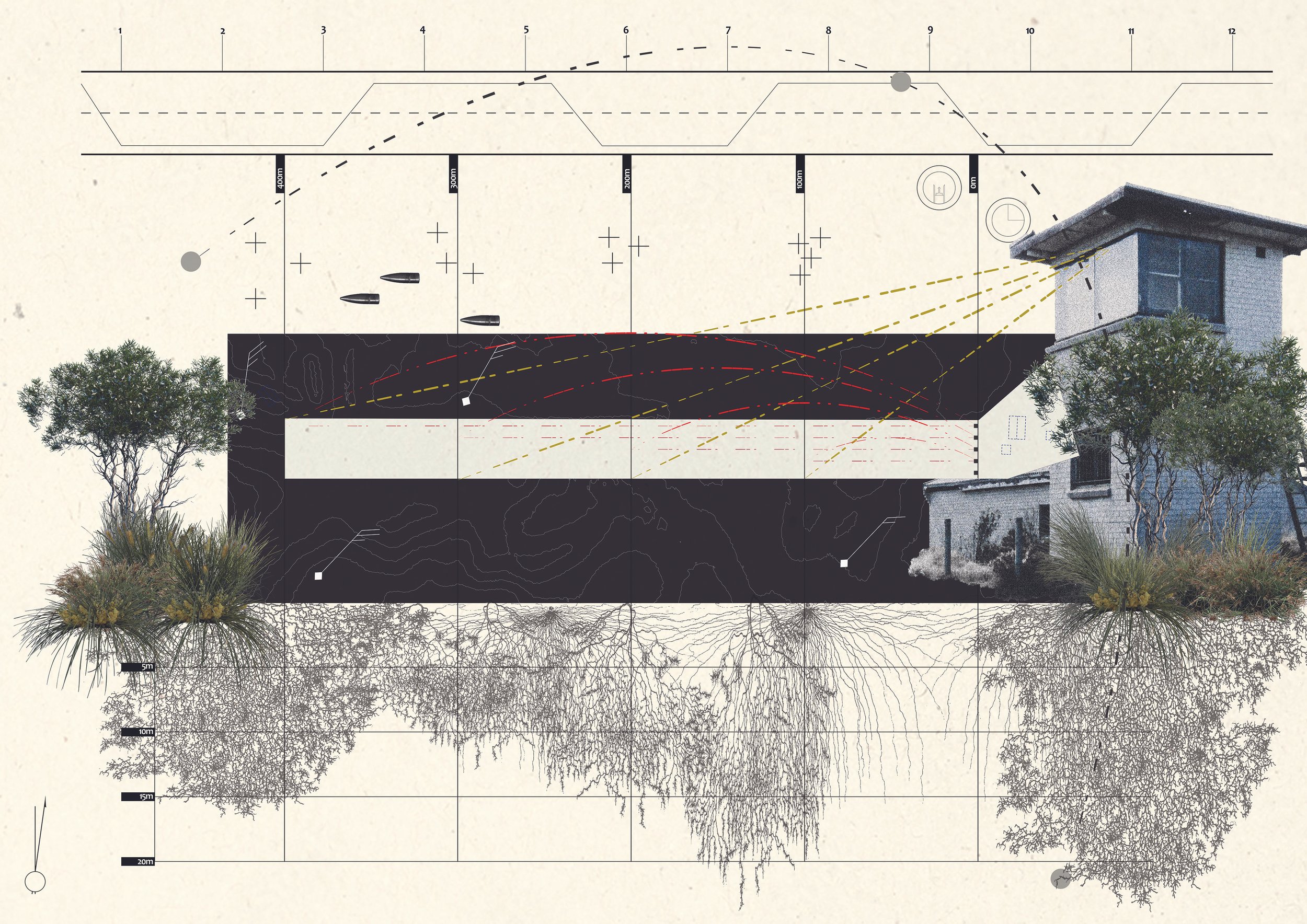
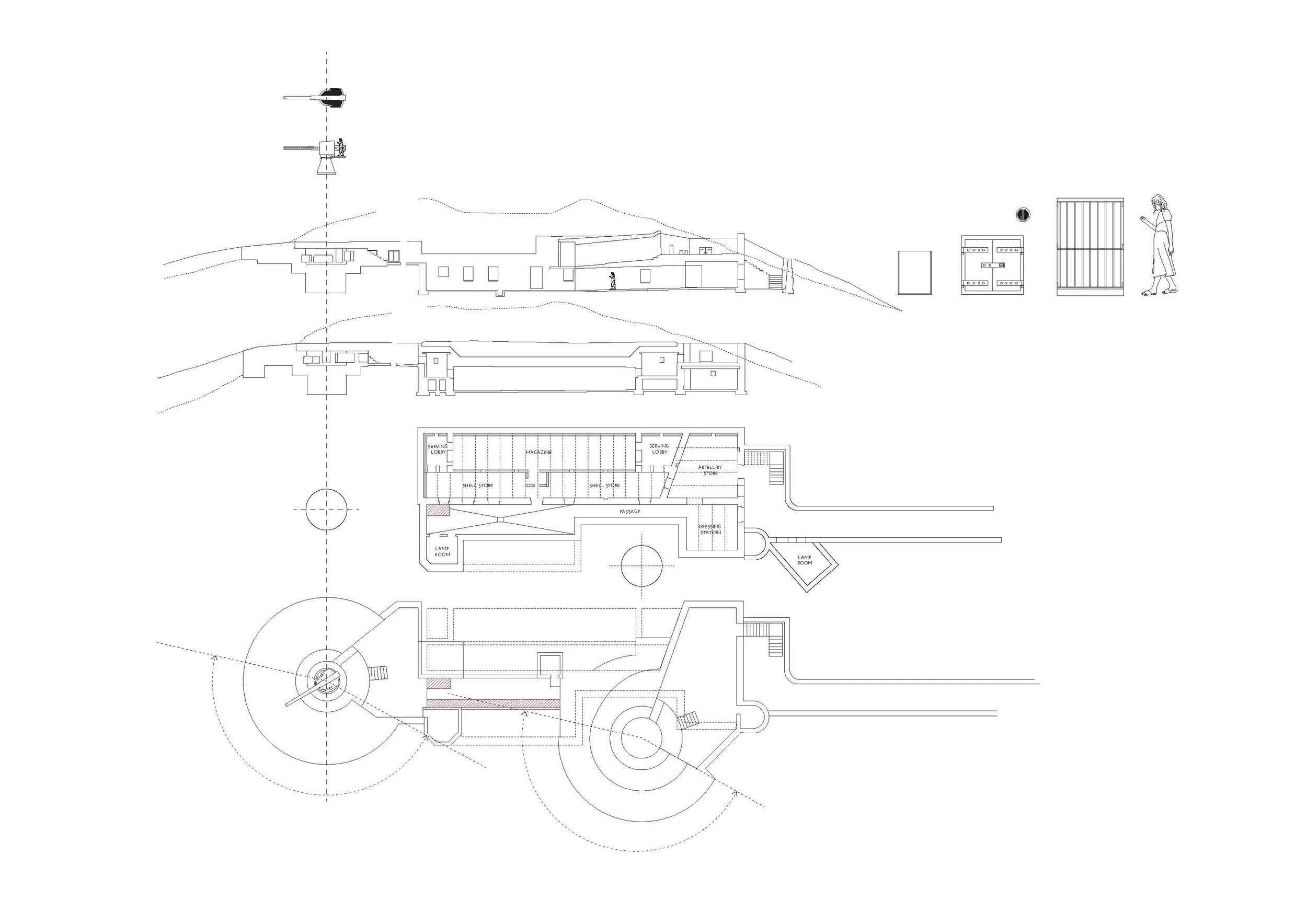
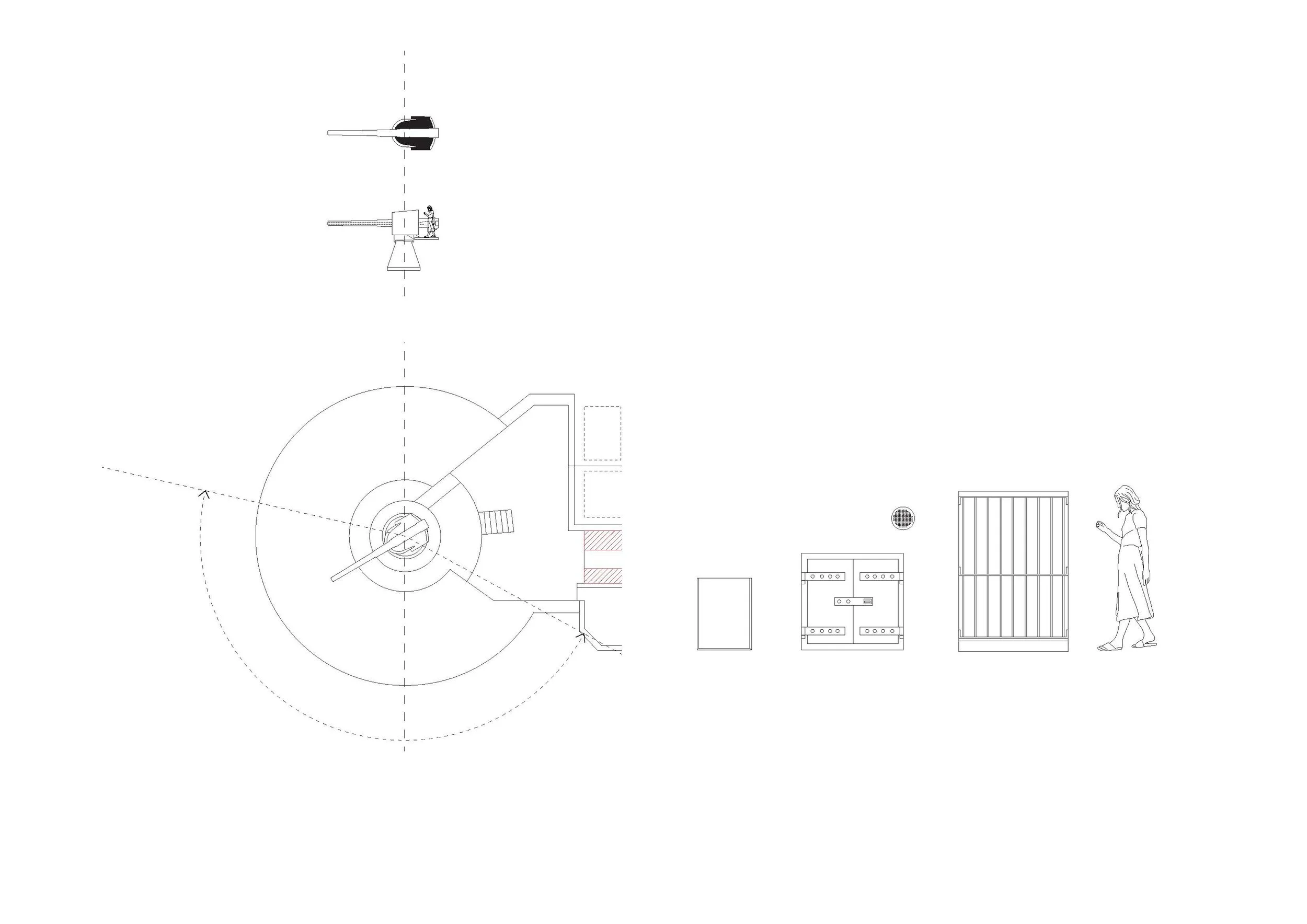
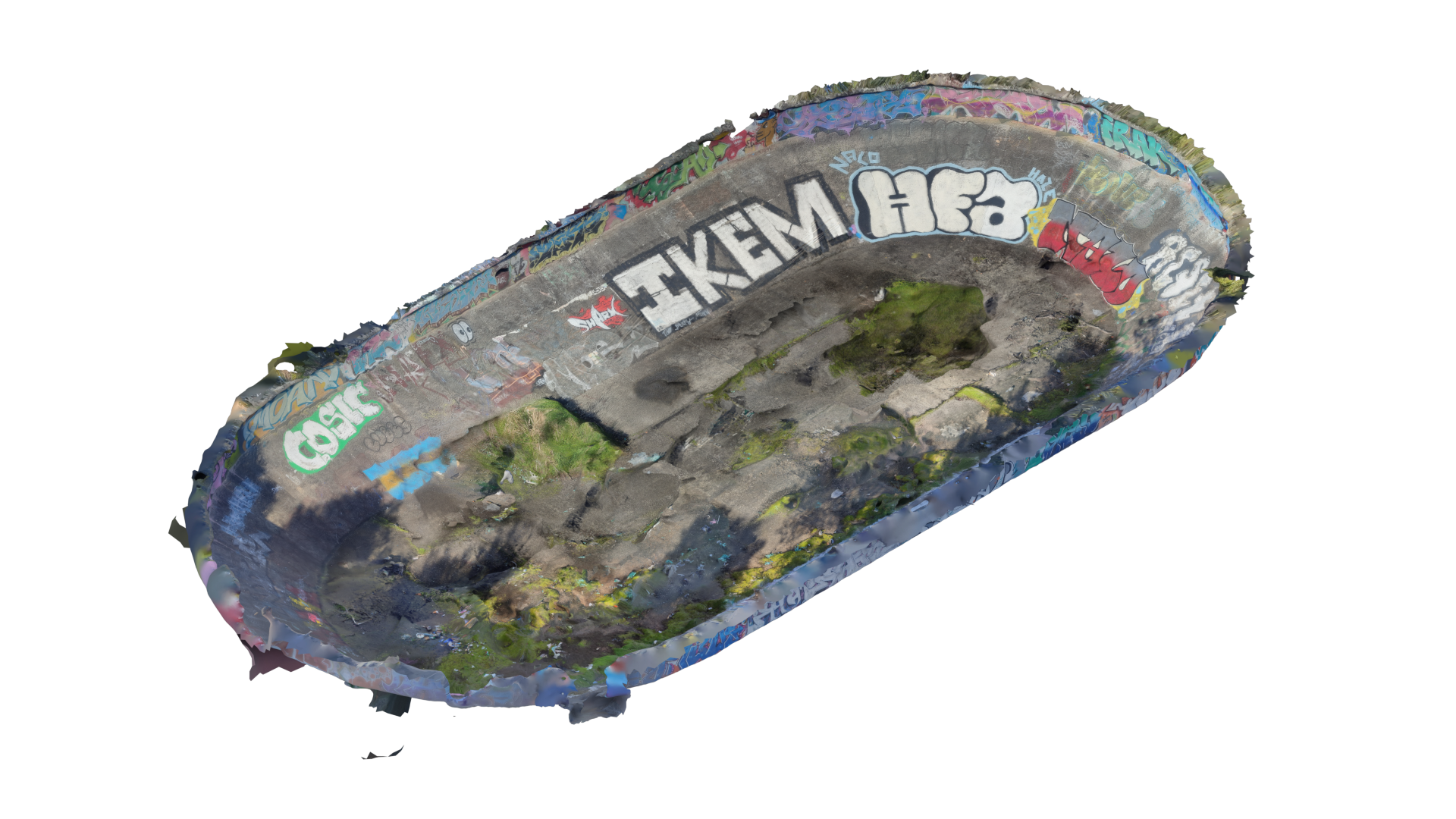
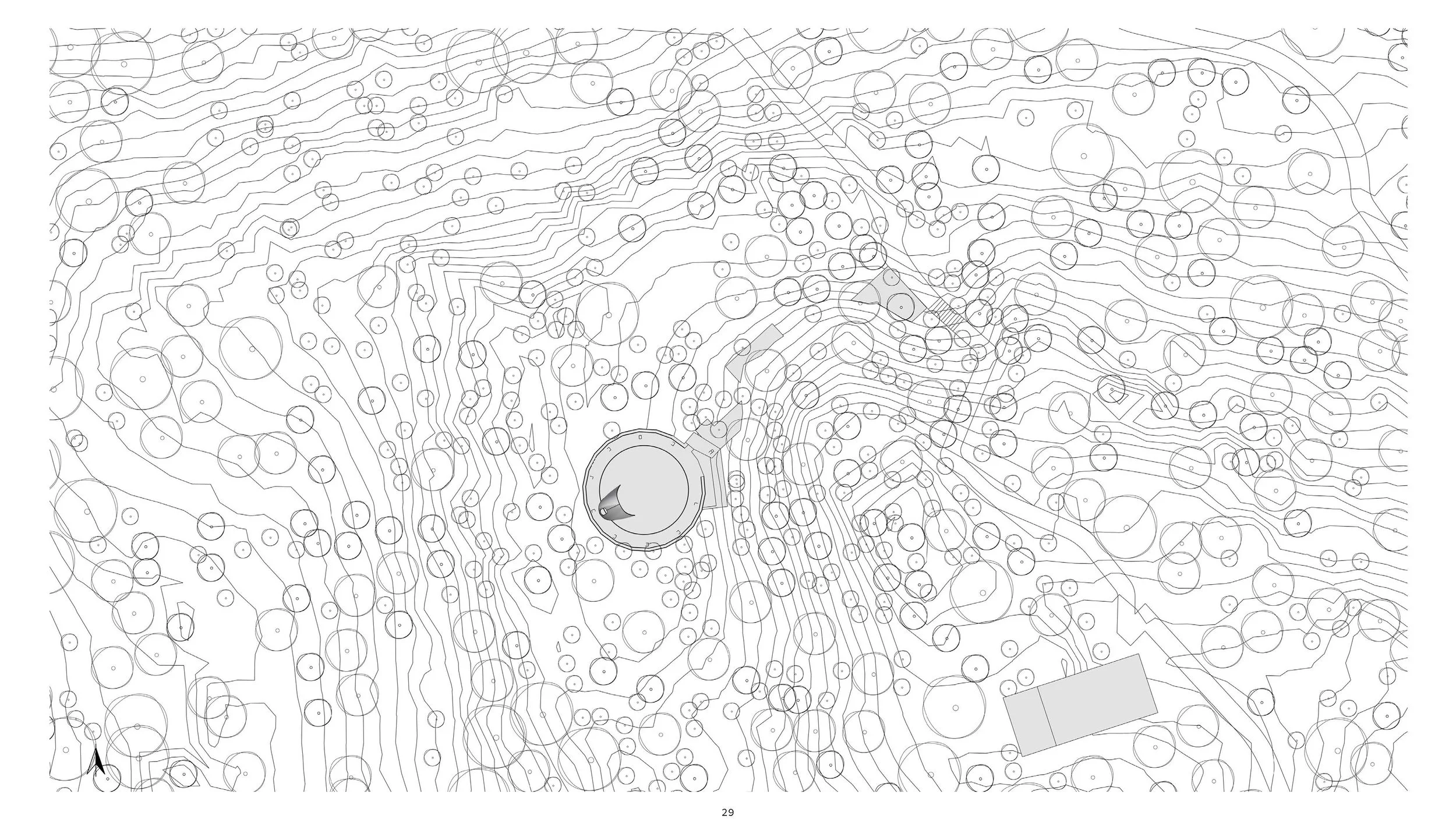
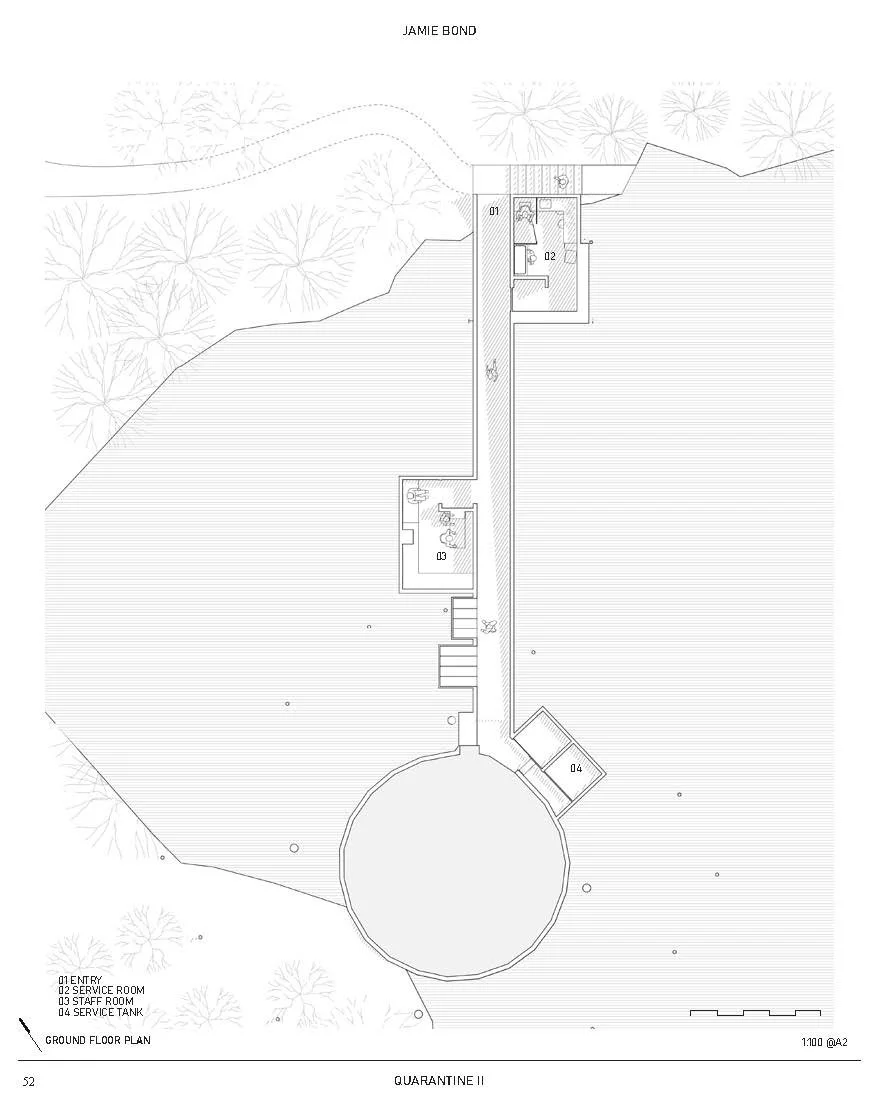

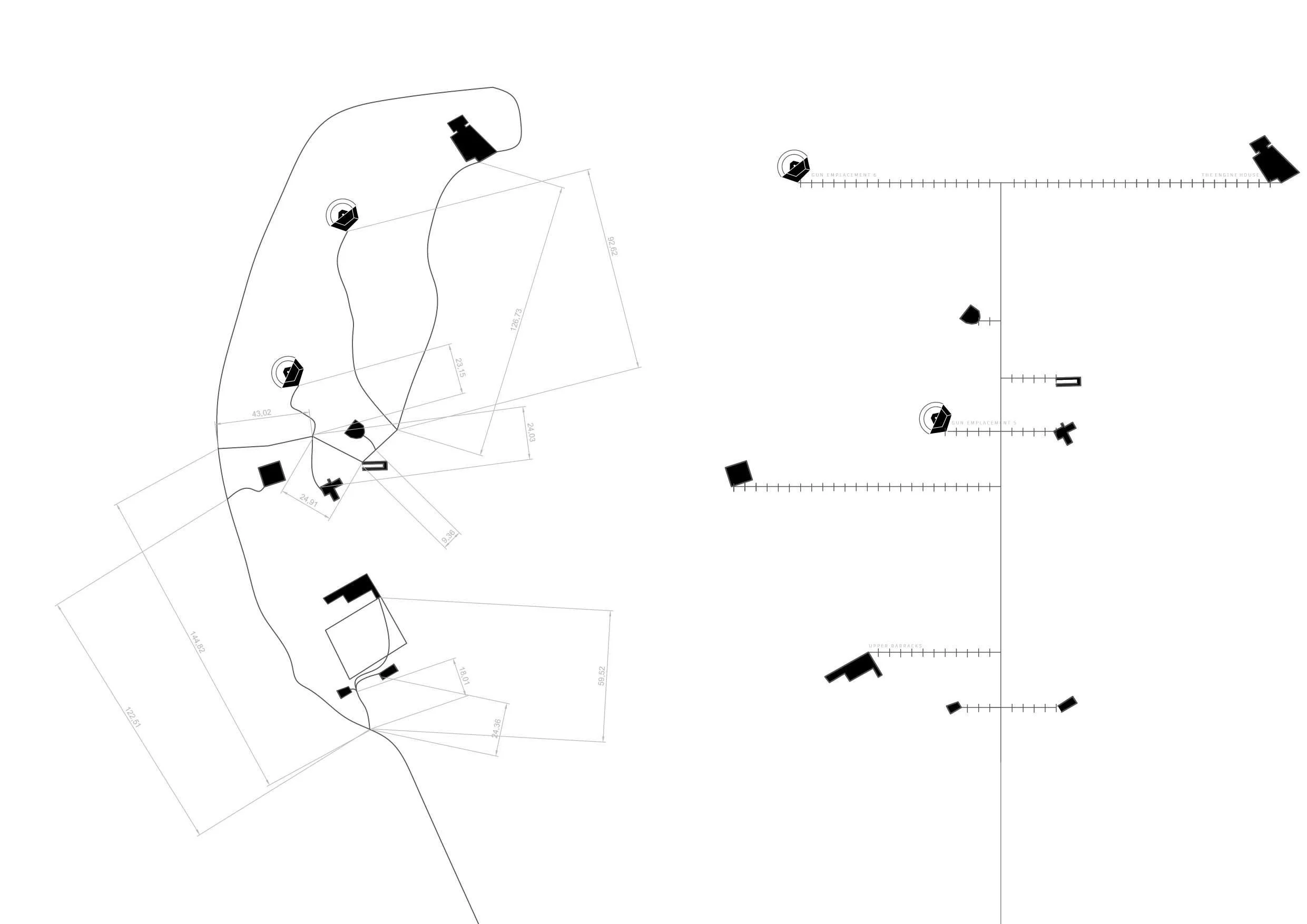
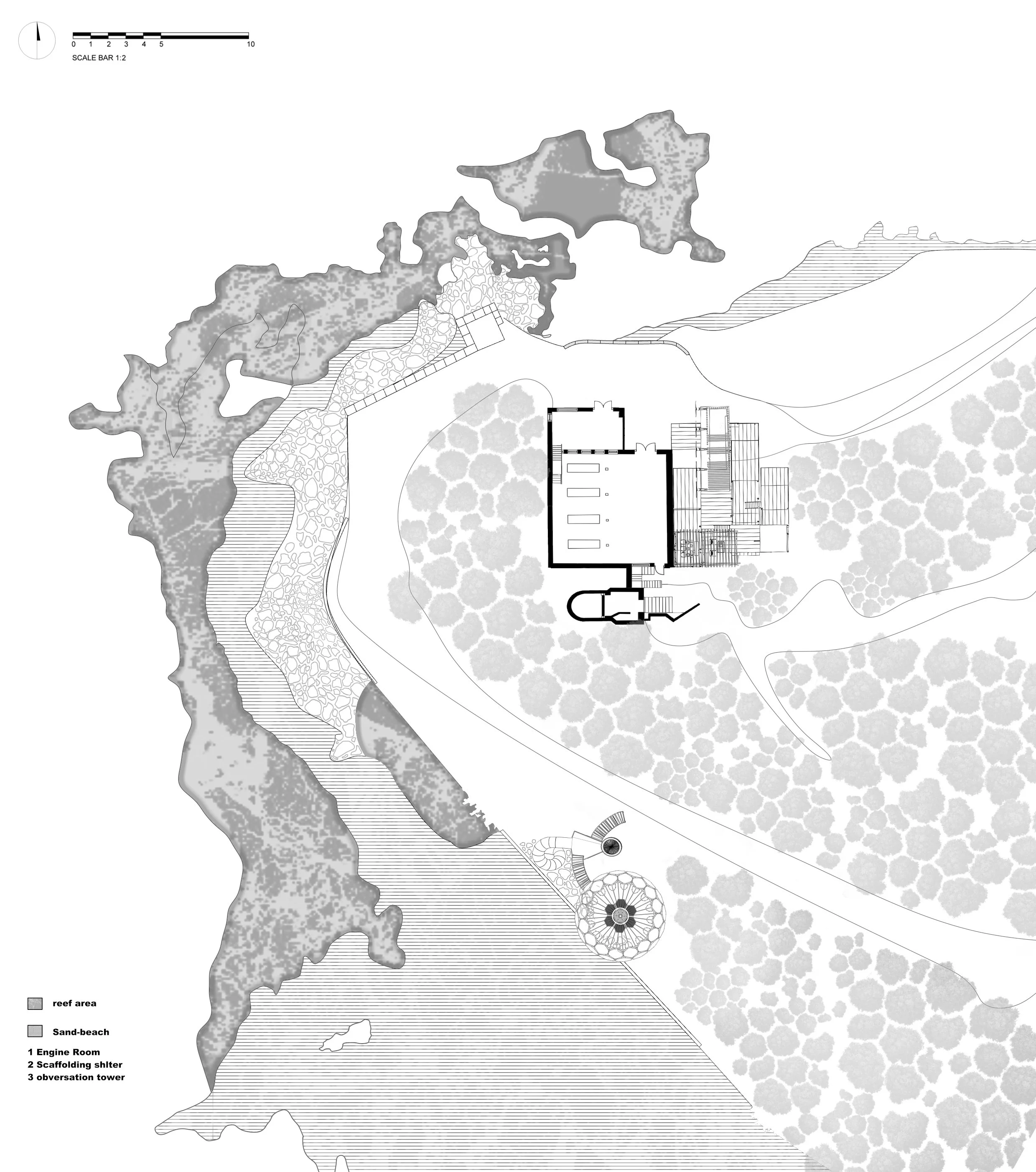
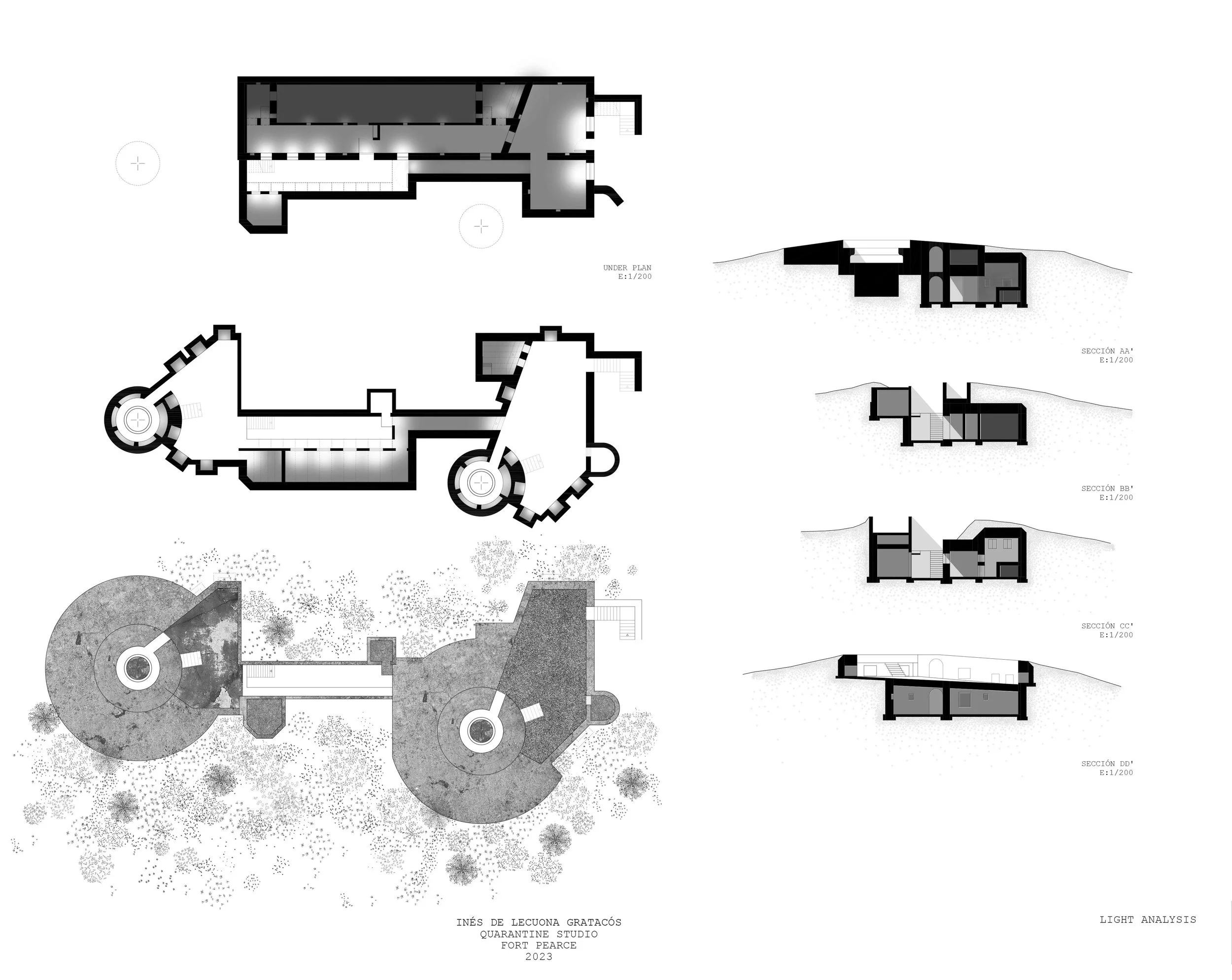
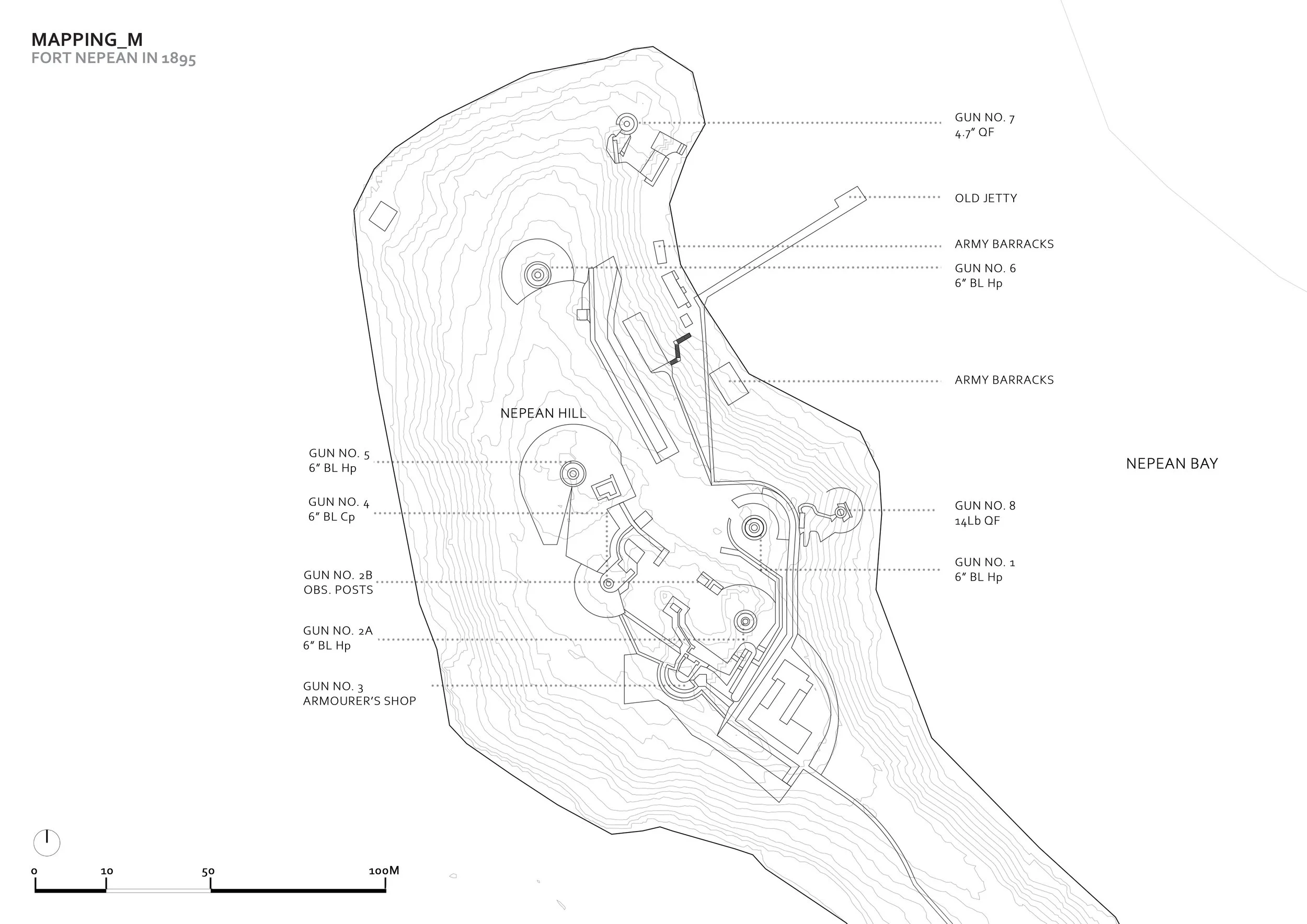
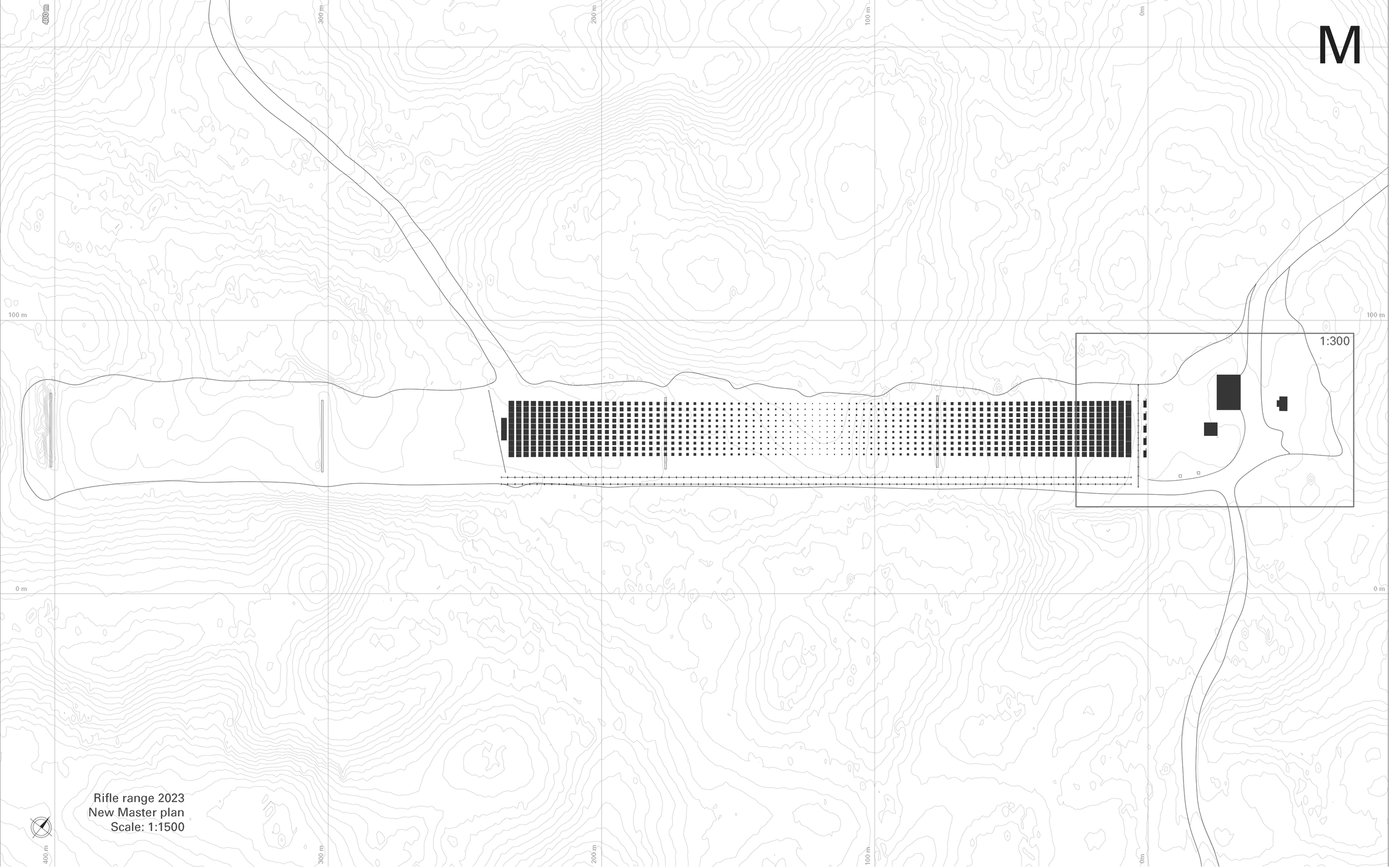
Participants reviewed the 2017 Master Plan commissioned by the State Government, questioned its content, and identified opportunities for new programs and subsequent architectural interventions.
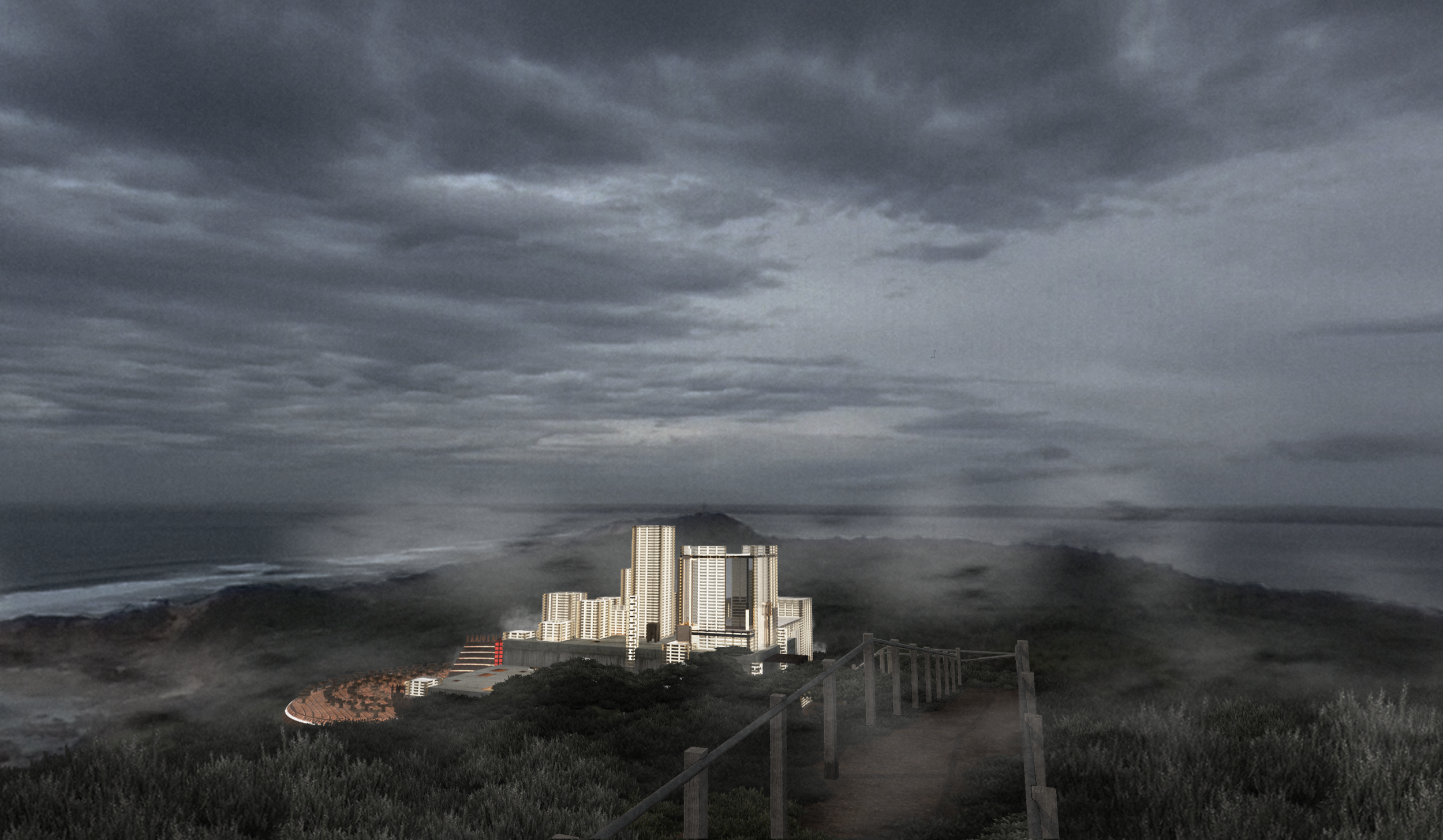
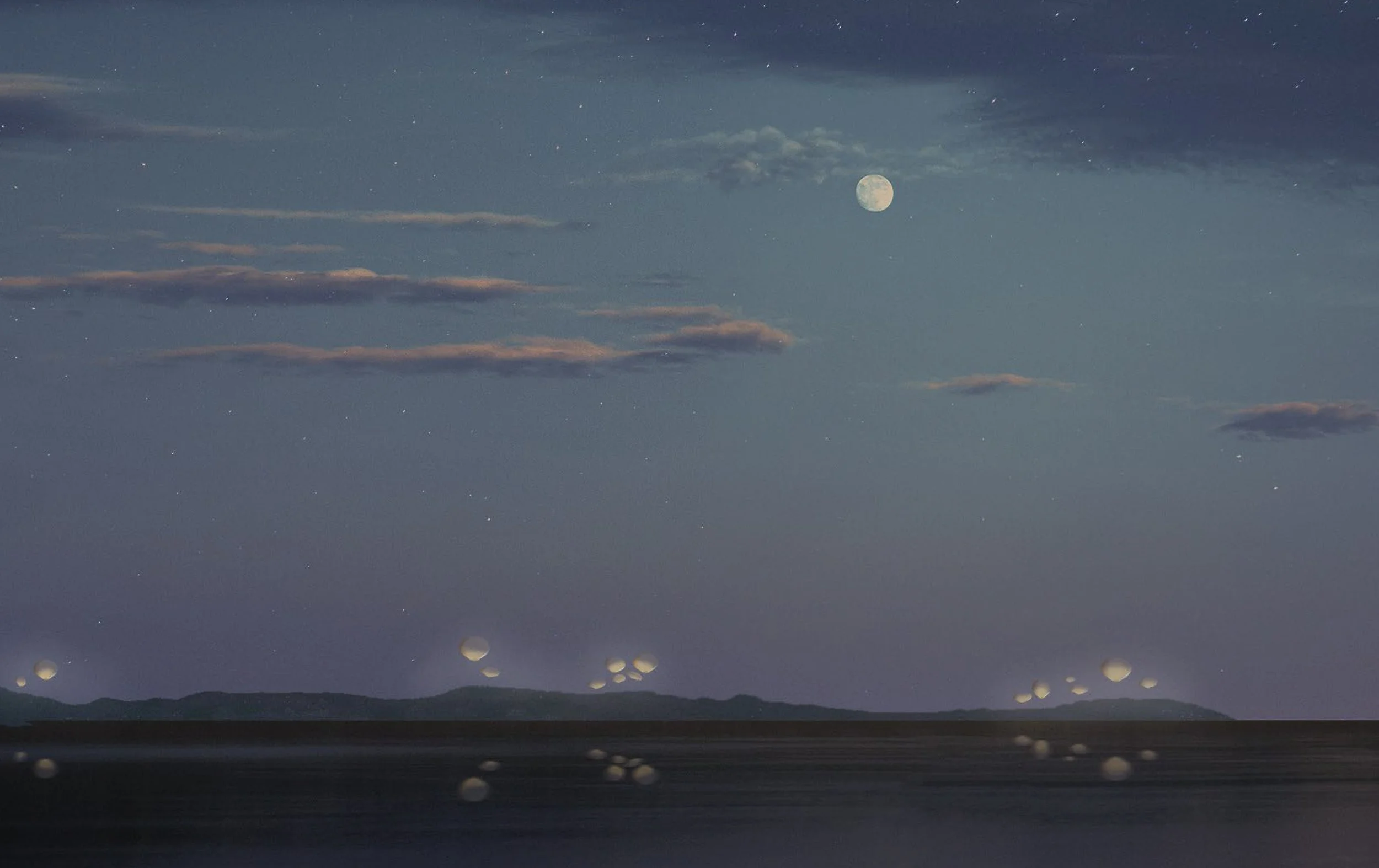
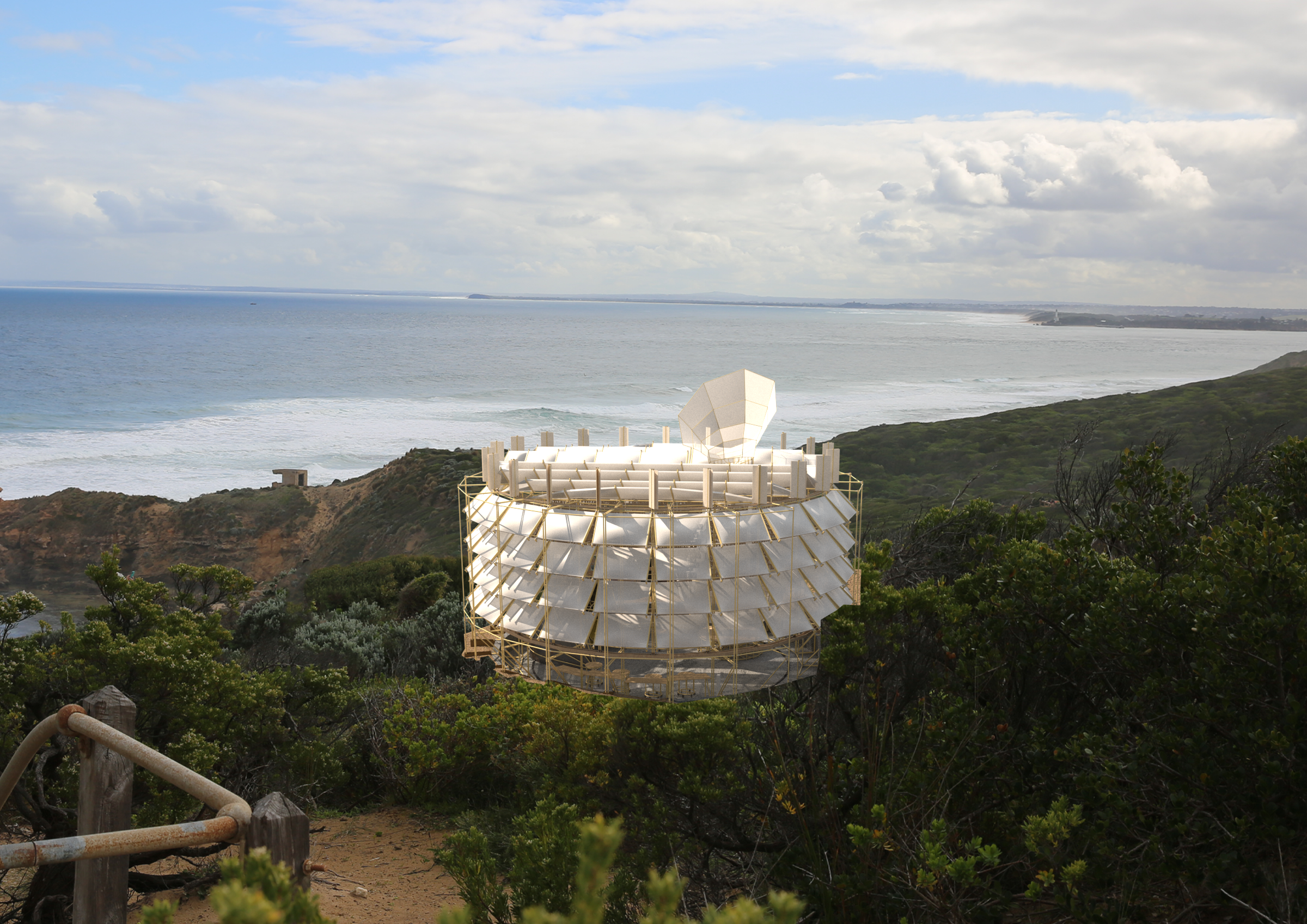
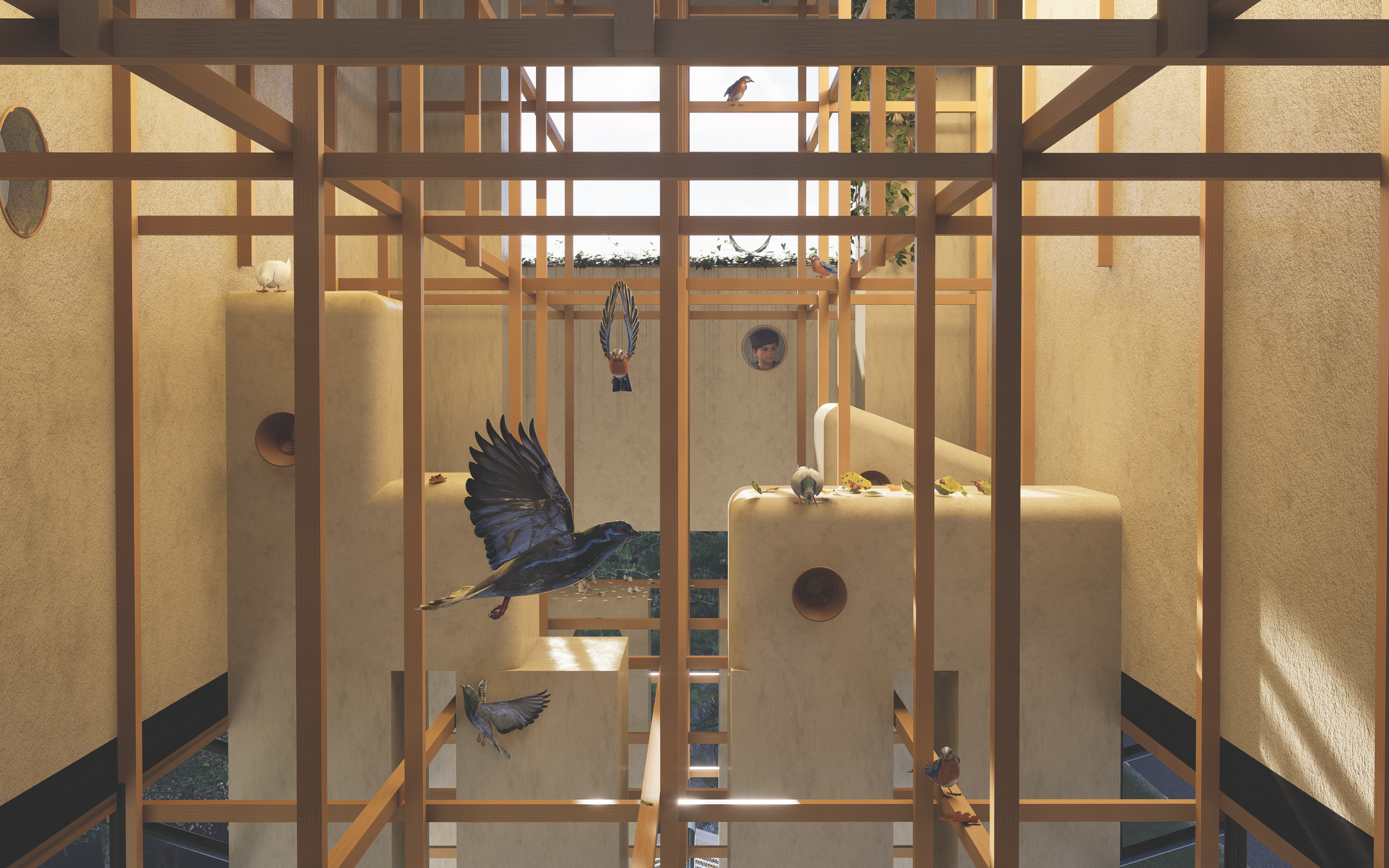
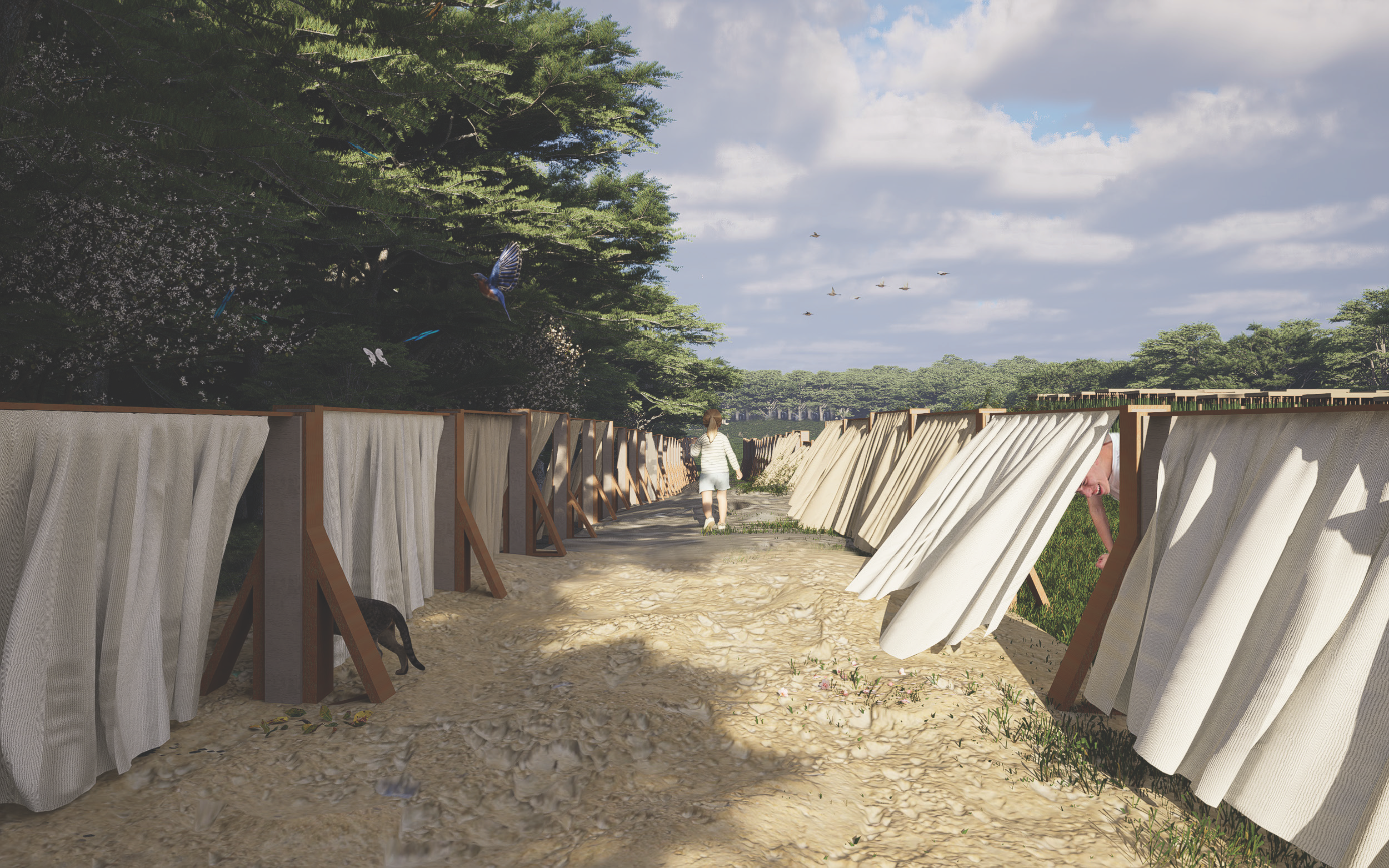
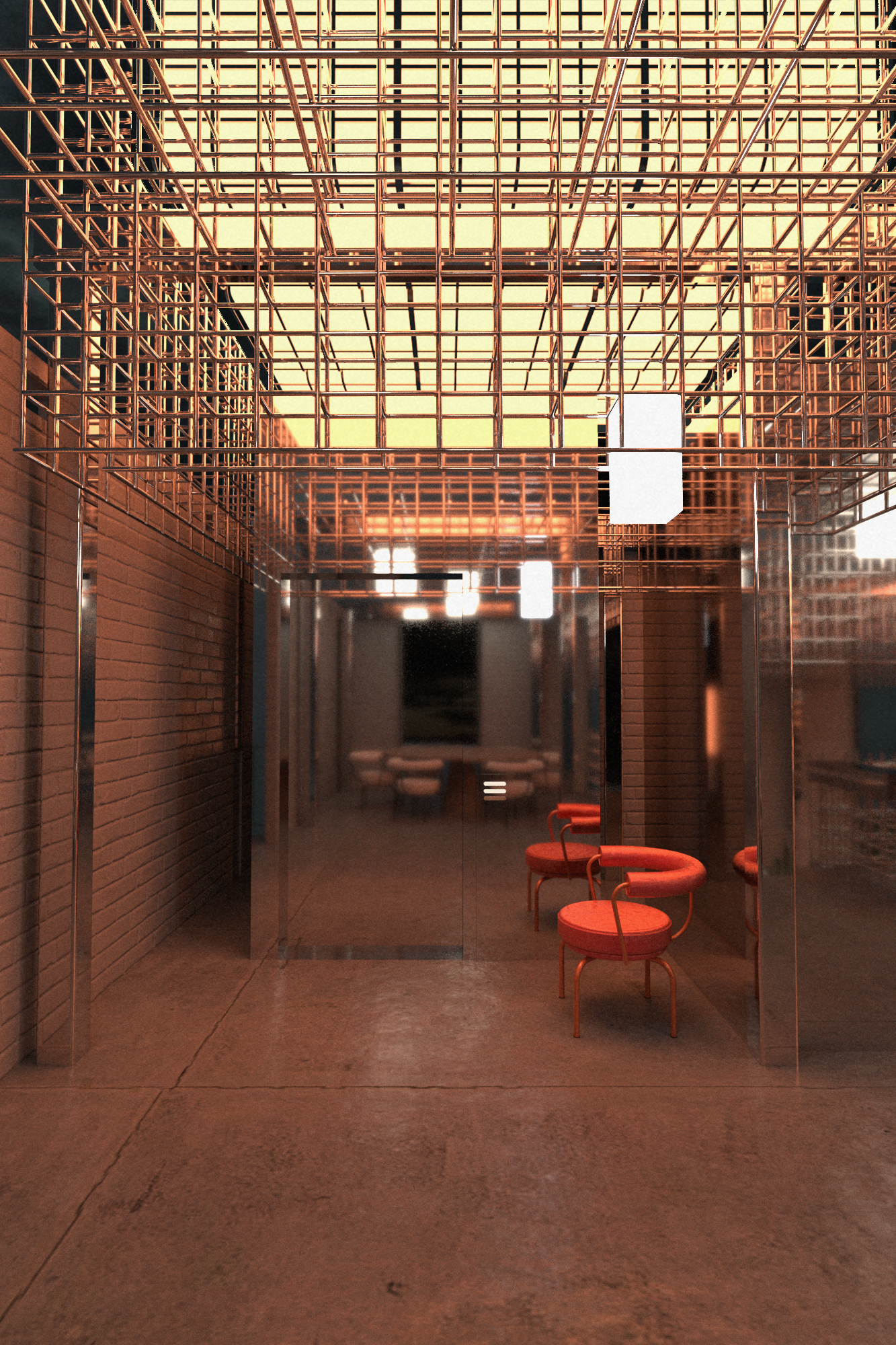
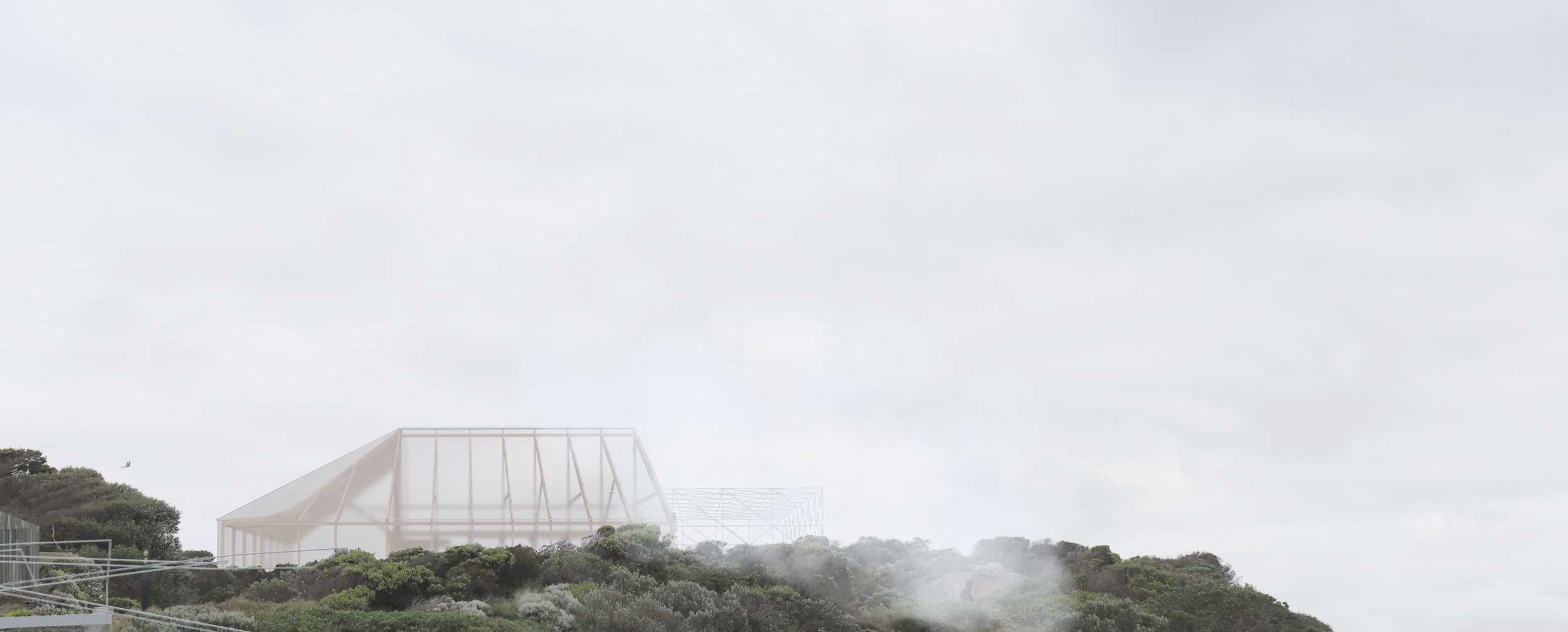
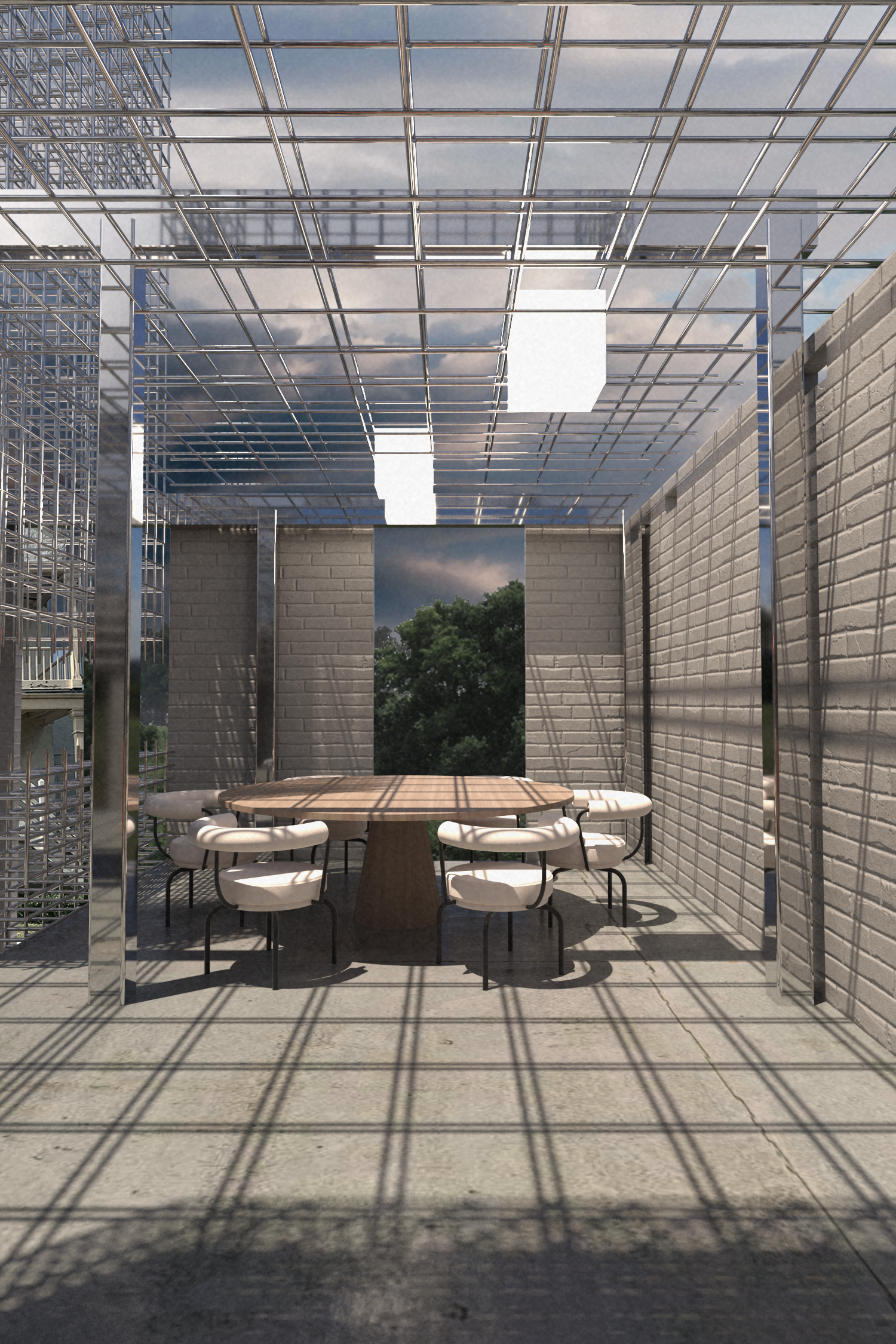
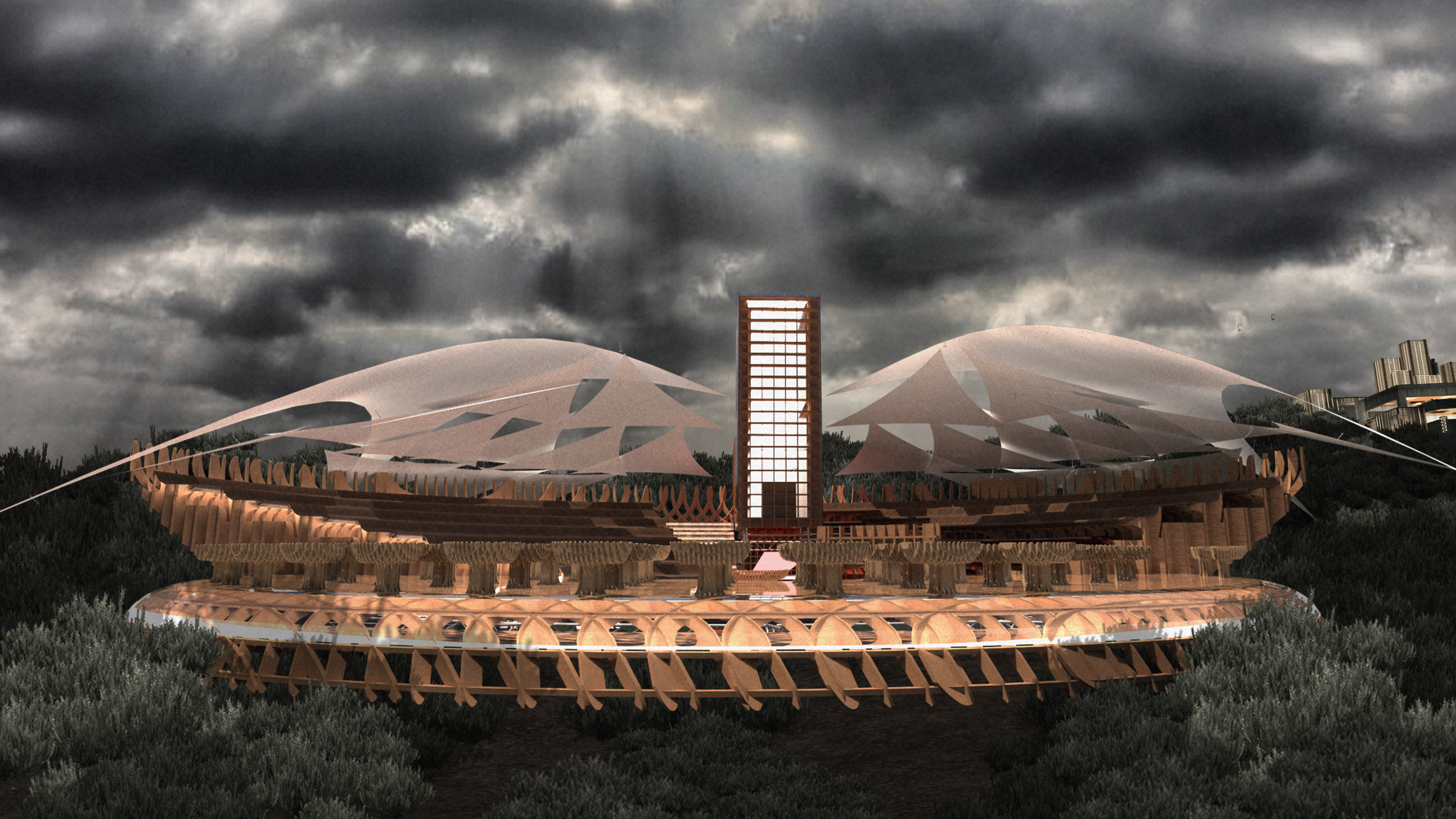
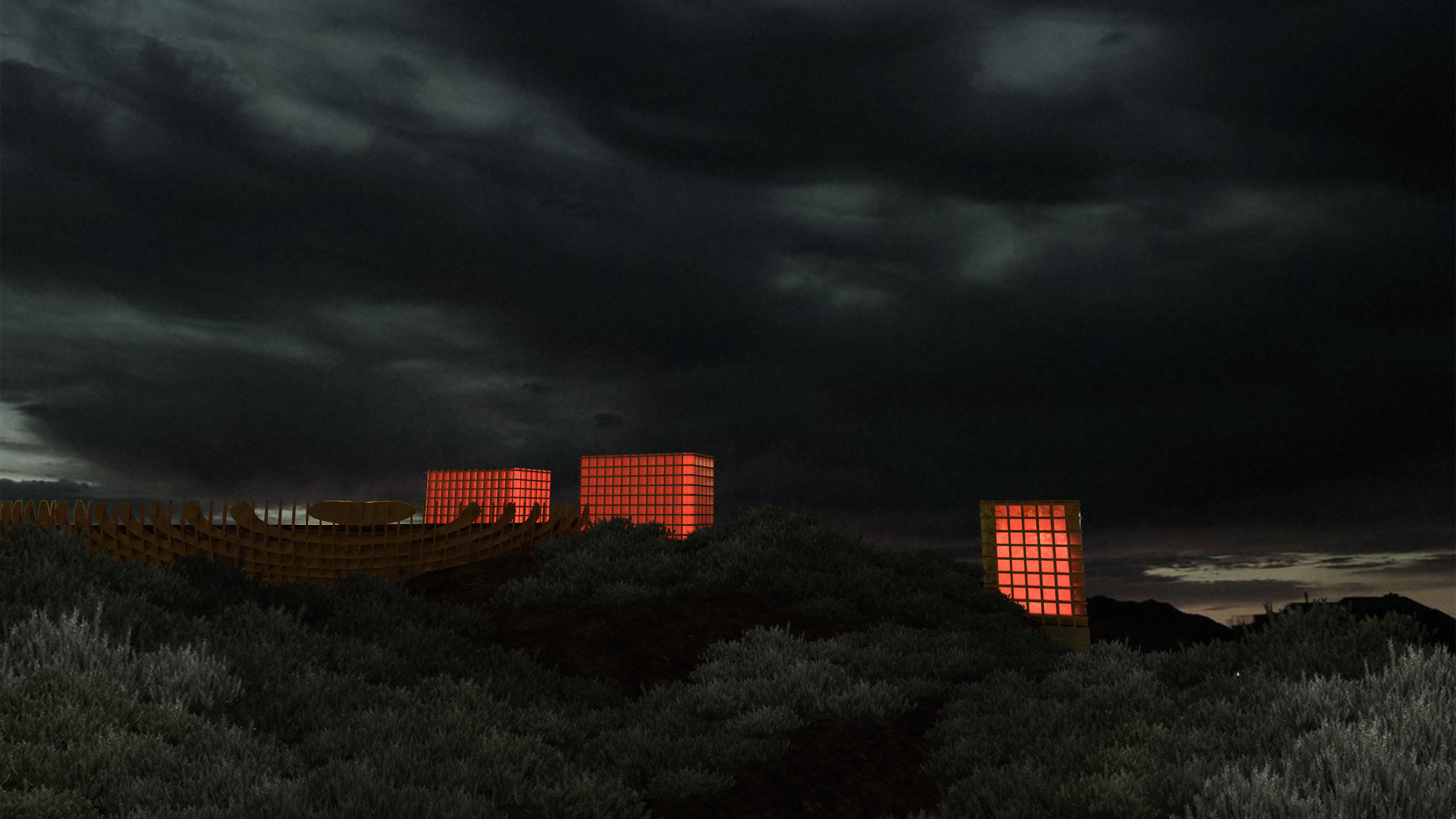
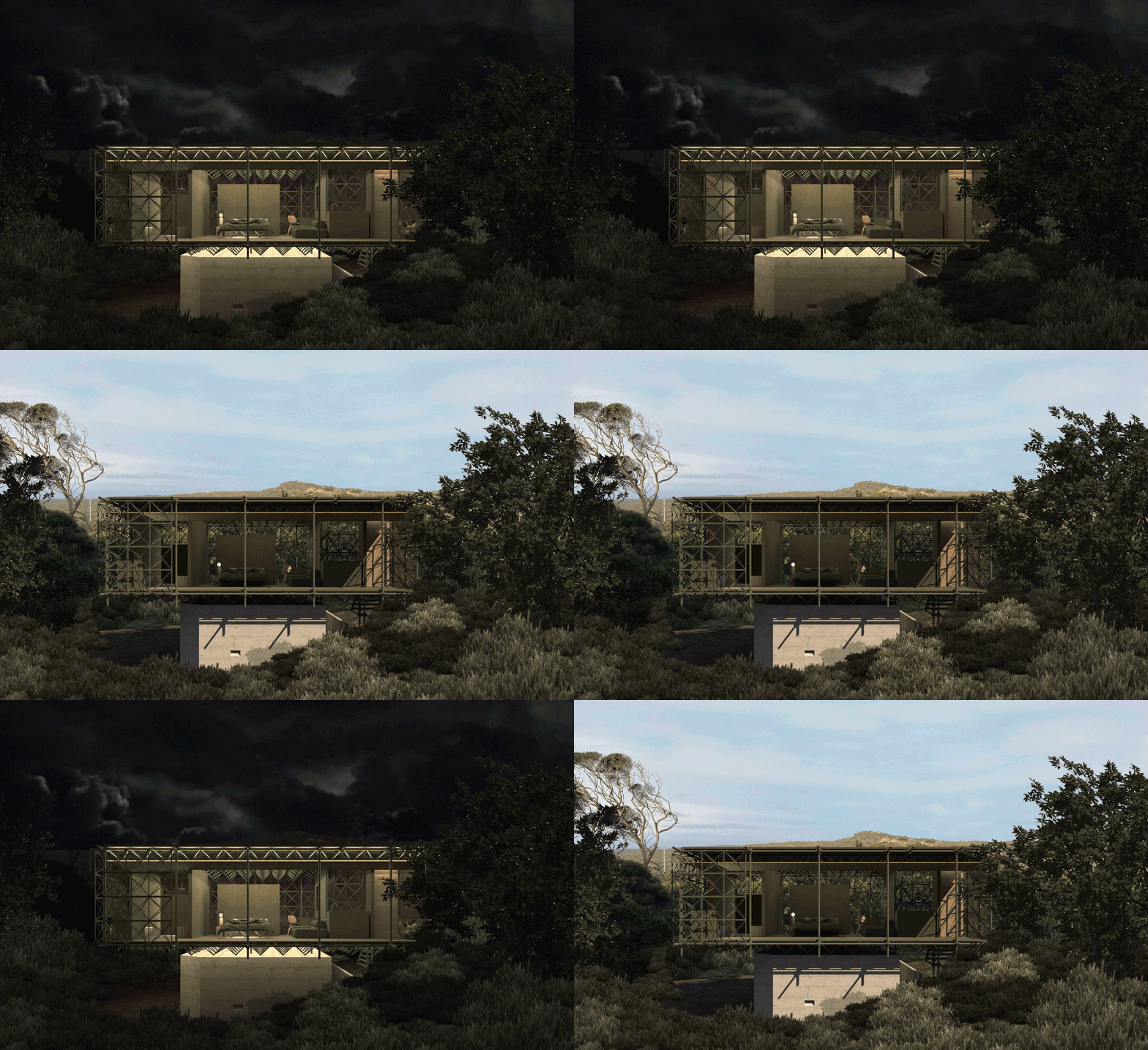
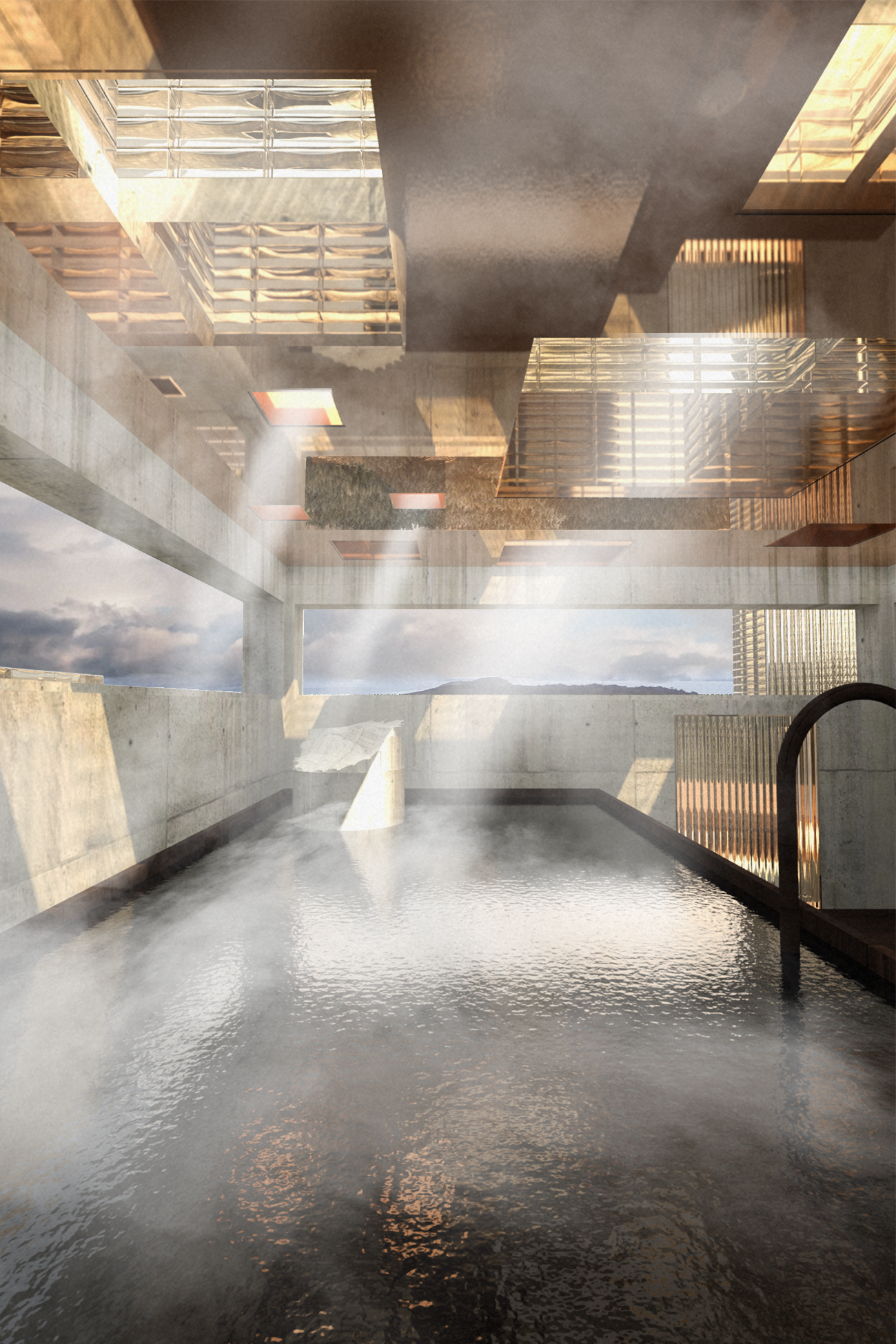
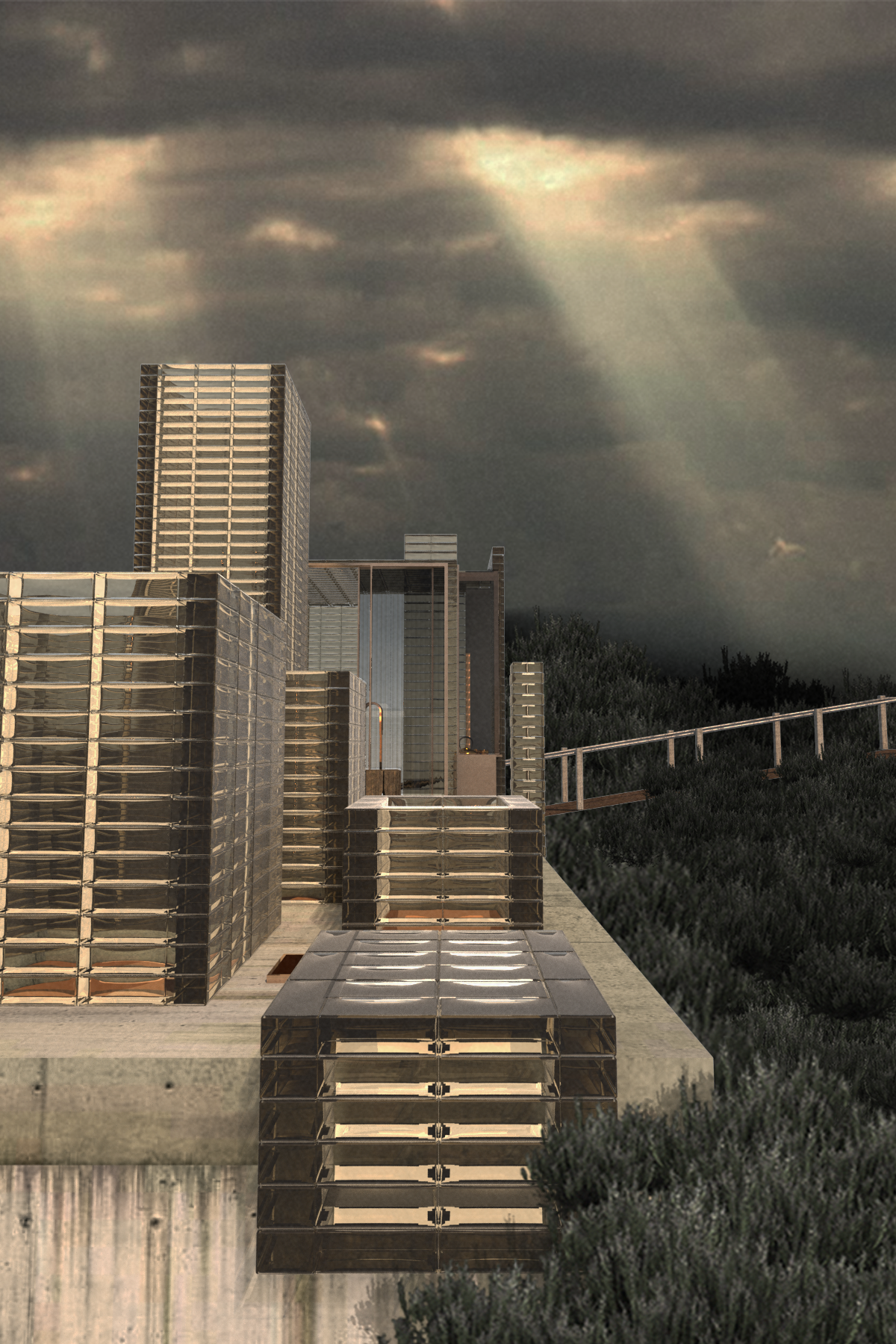
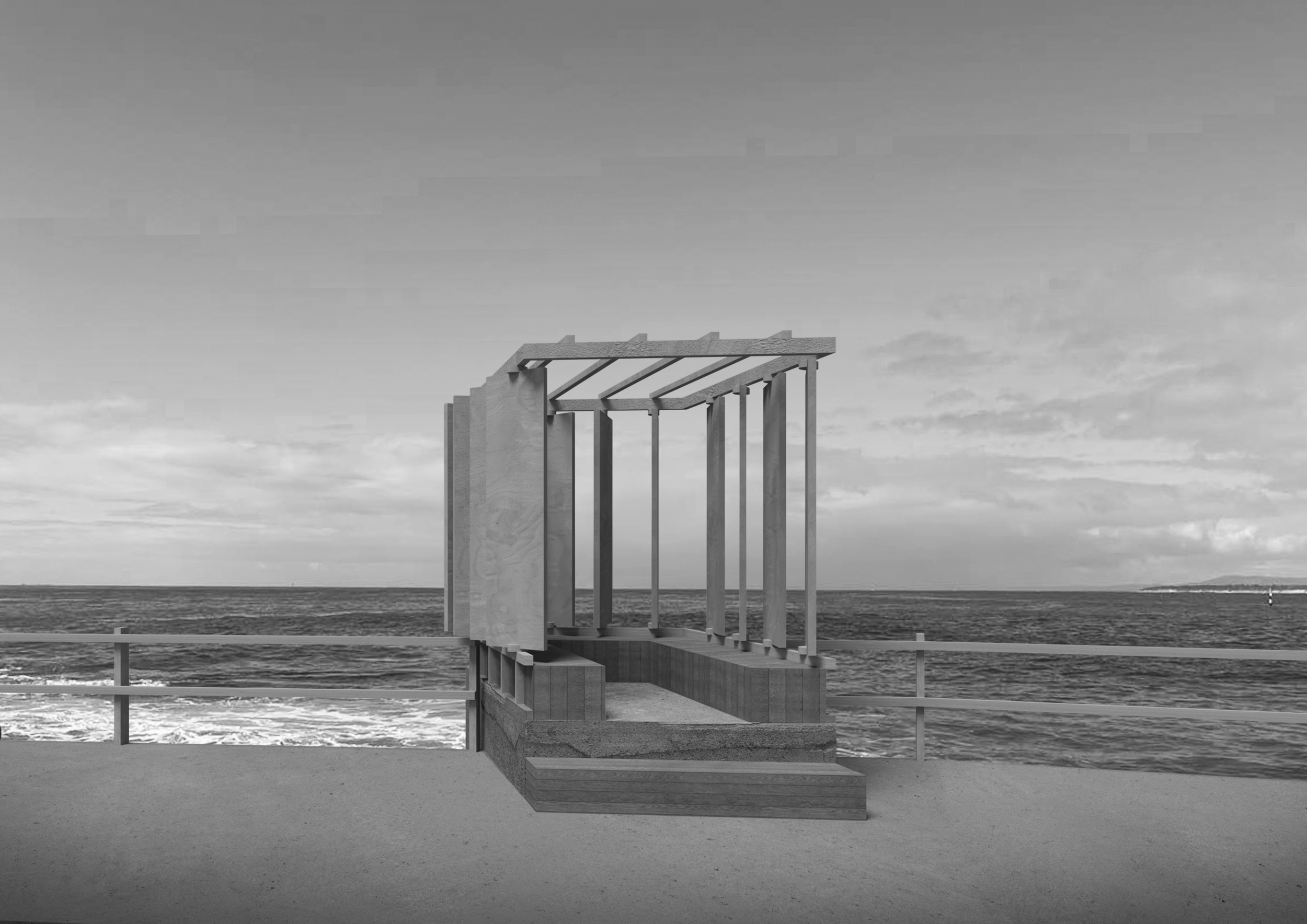
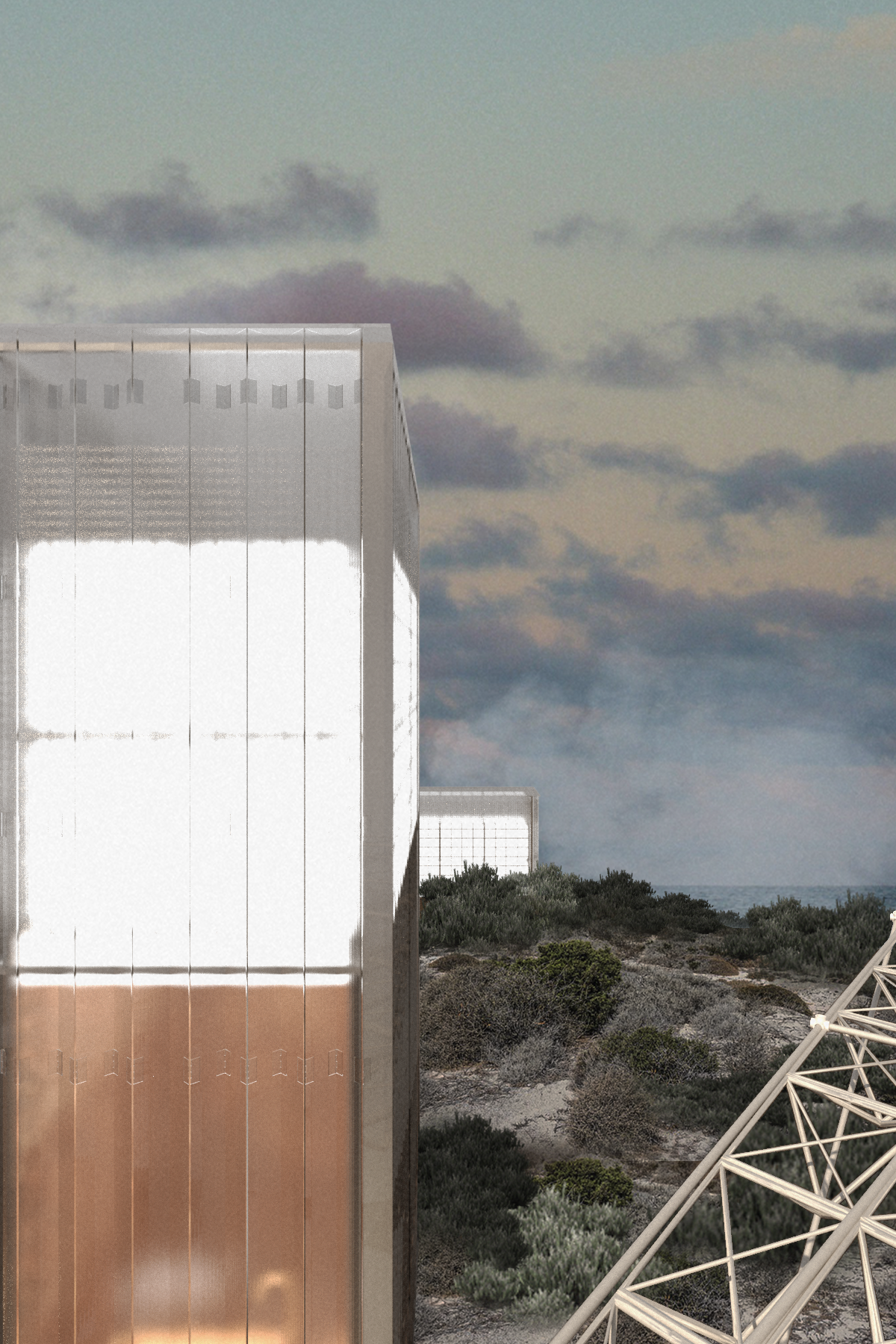
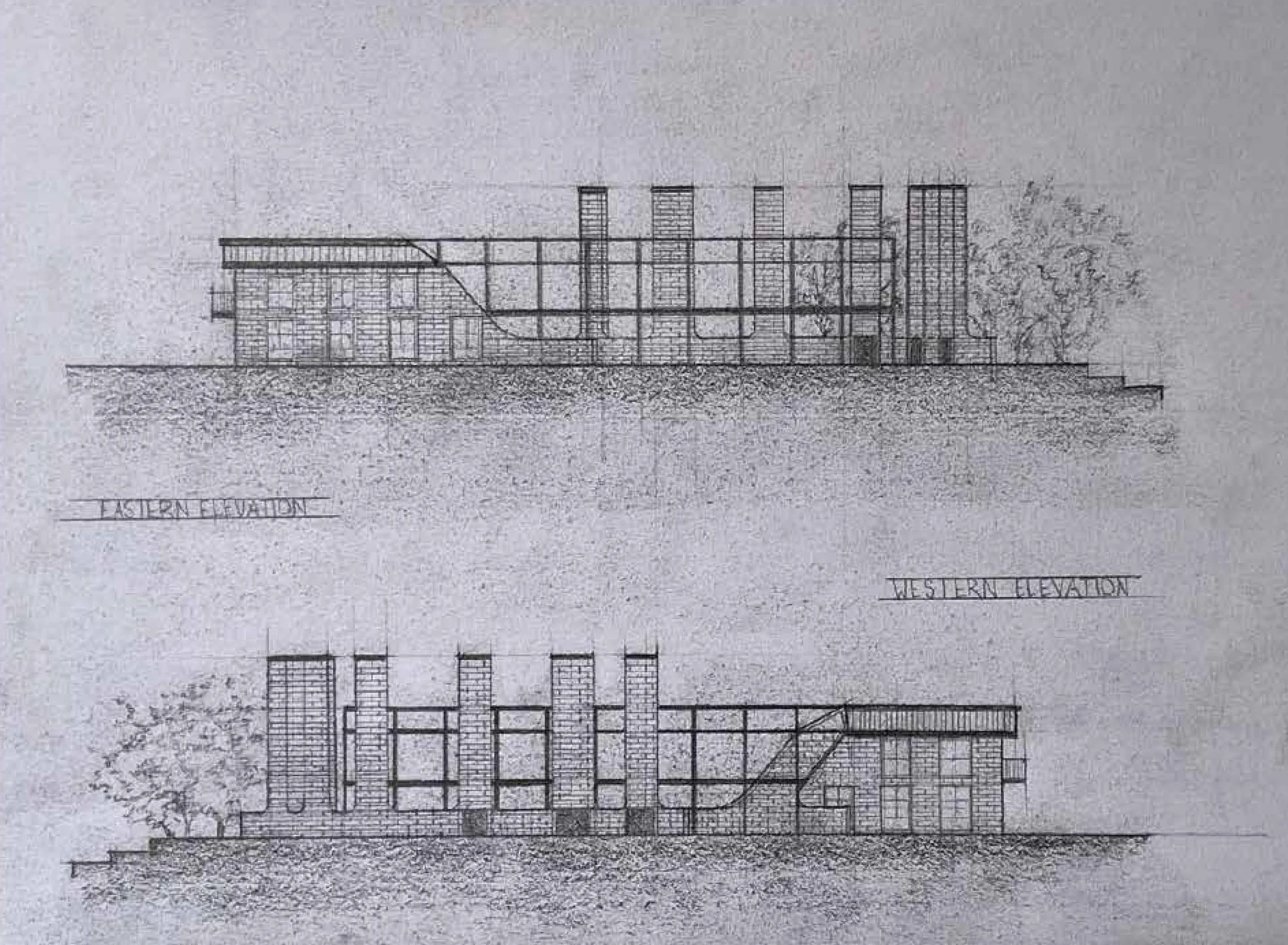
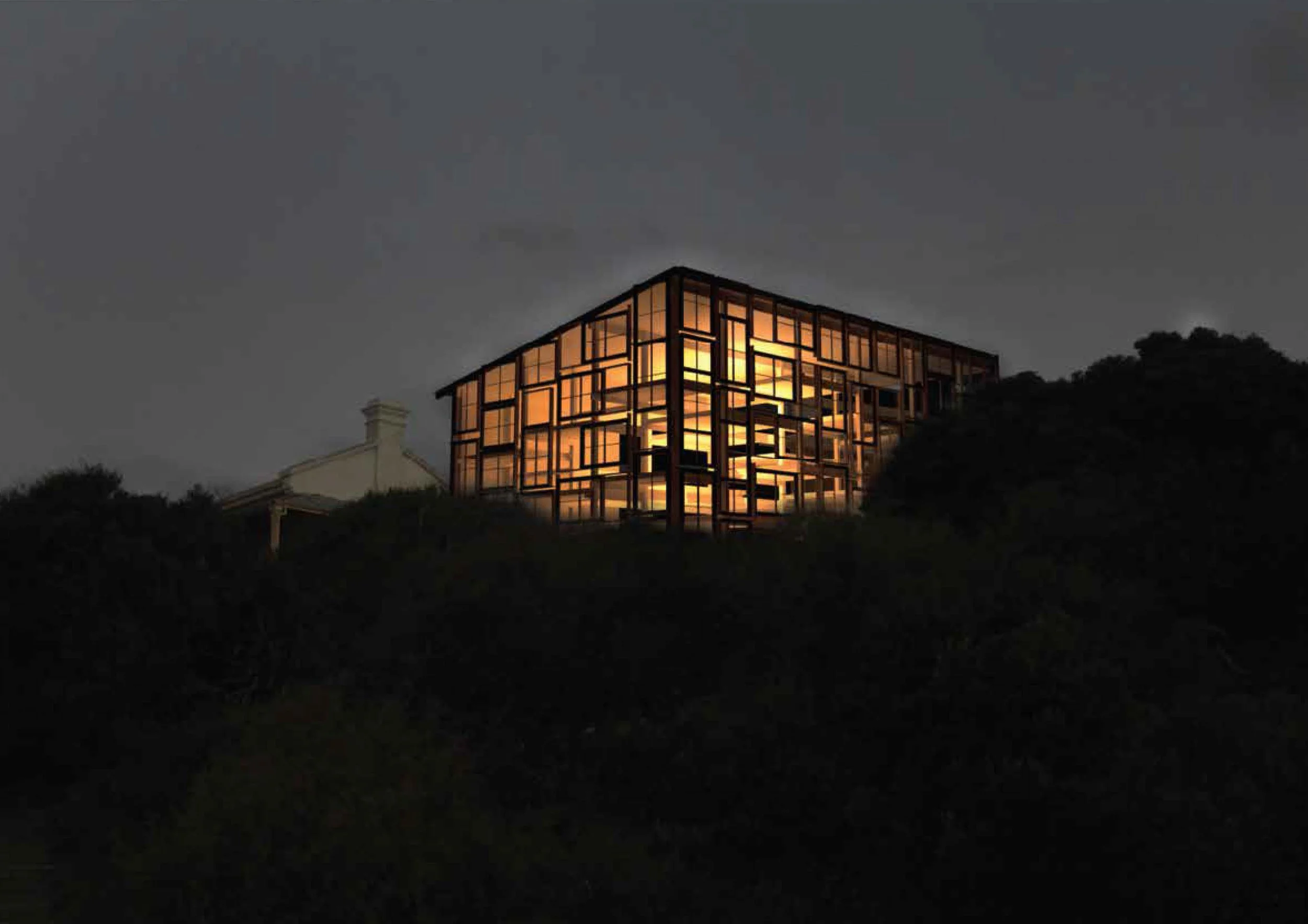
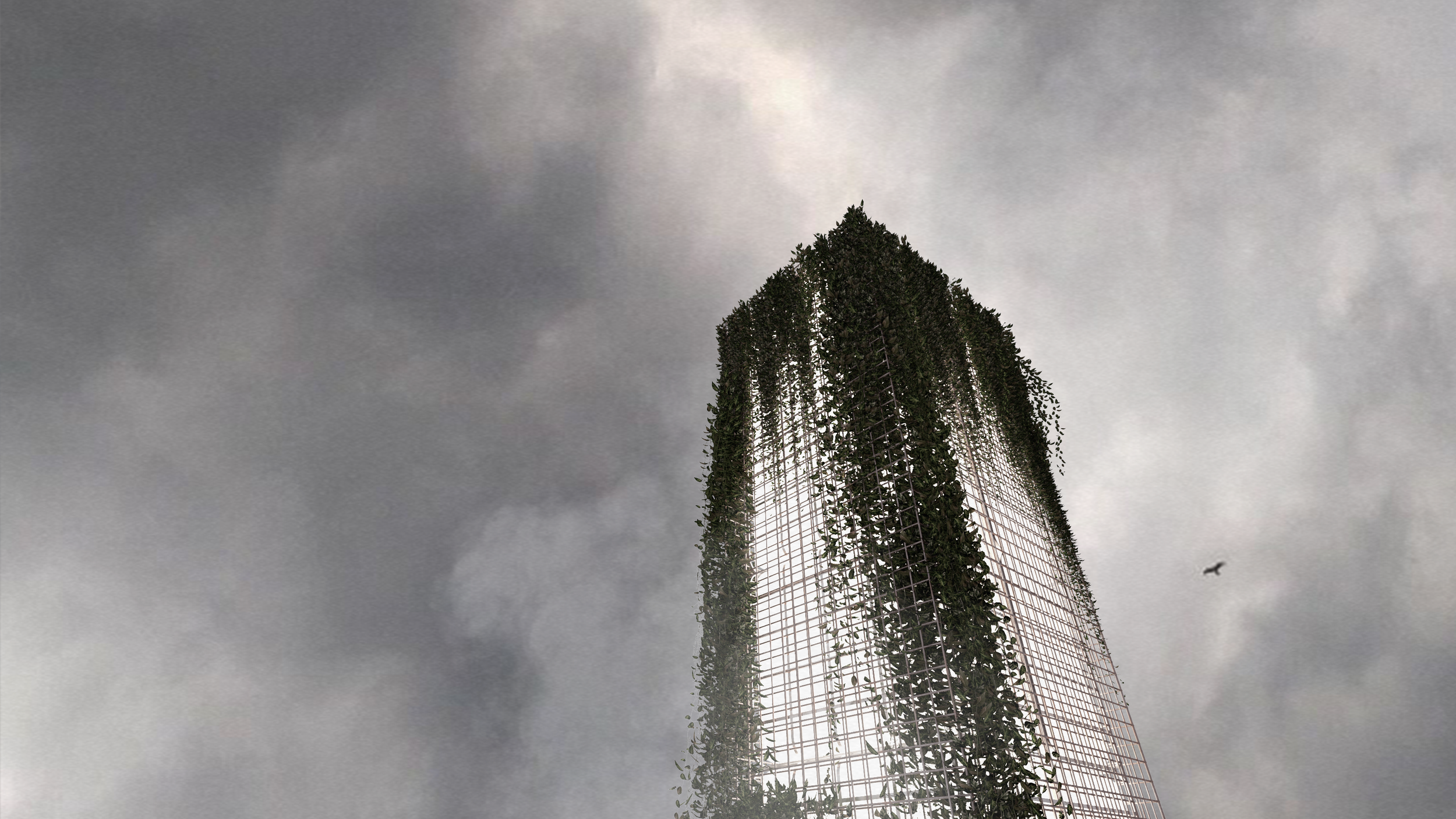
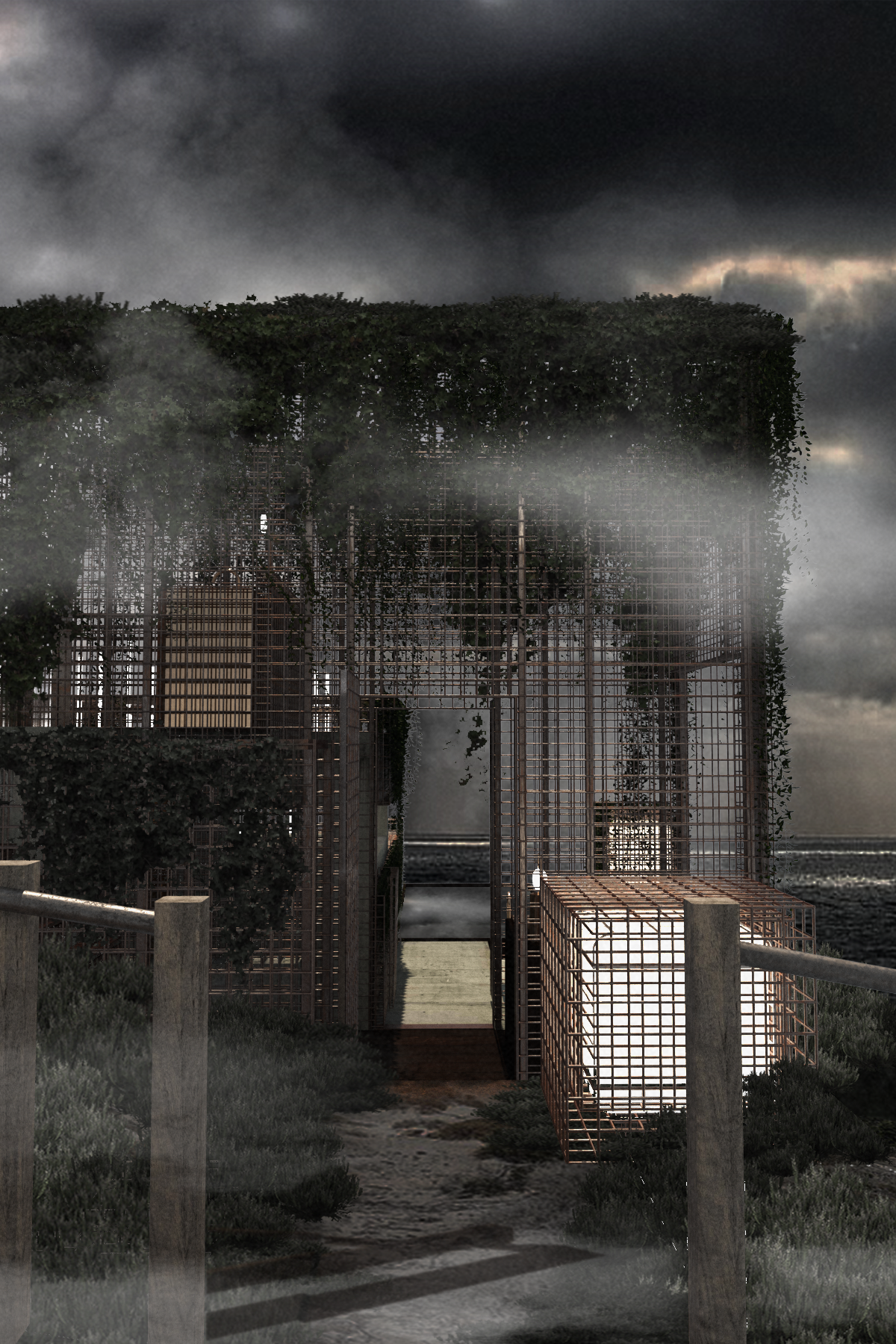
Along with the site, the studio focused heavily on tectonics, materiality, and buildability. Active heritage conservation—rather than conservation for conservation’s sake—was the primary driver, with eco-tourism as the intended outcome.
-
RMIT MASTERS OF ARCHITECTURE STUDIO
RMIT BACHELORS OF ARCHITECTURE STUDIO -
COLLABORATOR | PROFESSOR N’ARWEE’T CAROLYN BRIGGS
STUDIO LEADER | RODNEY EGGLESTON
STUDIO LEADER | JULIAN CANTERBURY
STUDIO LEADER | MATTHEW STANLEY
-
BUNURONG | POINT NEPEAN NATIONAL PARK
-
Michael Marchetti
Angus Robson
Ayana Lokhandwala
Jeremy Hartman
Alexander Barr
Caigan Meade
Blake Hillebrand
Liming Liu
Holly Simondson
Montague Kemp
Charles O’Brien
Fergus Hayes-Sant
Heinrich De Villiers
Jack Seedsman
Anastasios Perisanidis -
Yasmeen O'Brien
Taran Pierce
Jiacan Tan
Lucas Zephyr Cravino
James Burton
Jamie Bond
Lucas Toppi
Sofia Ramirez
Haoliang Shen
Tyler Feldman
Kalapuge Don Jayathilake
Zhuangyun Wang
Stirling Clarke -
Aidan Ross
Lucy Read
Hengjia Hu
Qinze Wu
Stella Northeast
Eliza Grant
Chen Xue
Socheat Chea
Lucas Schey
Alexandra Breuer
Jeremy Salter
Jazmyn Scharl
Daniel Phillips
Susumu Inoue
Piosha Balapitiya
Alex Bentley -
Yi Lou (Freddie)
Taylor Ristevski
Vibha Parulekar
Jude Danta
Sean Hodgson
Yanlan Wu
Santiago Borda Orellana
Jacob Cavallaro
Chen KeChao Tian -
Nicholas Burgos
Cara Banks
Arman Azhigali
Madeleine Macginley
Aleksandar Naumoski
Jose Tristan Borromeo
Ines De Lecuona Gratacos
Caterina Maria Reynes Munar
Jeng You Chew
Yongyan Jin
Ruxin Wang
Jingchen Lin
Emma Goodieson
Anna Polok
-
MASTERS OF ARCHITECTURE EXCELLENCE
2023 S1 | SHORTLIST | CARA BANKSMASTERS OF ARCHITECTURE EXCELLENCE
2022 S2 | WINNER | YANLAN WUMASTERS OF ARCHITECTURE EXCELLENCE
2022 S1 | SHORTLIST | SANTIAGO BORDA
BACHELOR OF ARCHITECTURE EXCELLENCE
2021 S1 | WINNER | JAMIE BONDBACHELOR OF ARCHITECTURE EXCELLENCE
2020 S2 | SHORTLIST | JACK SEEDSMAN